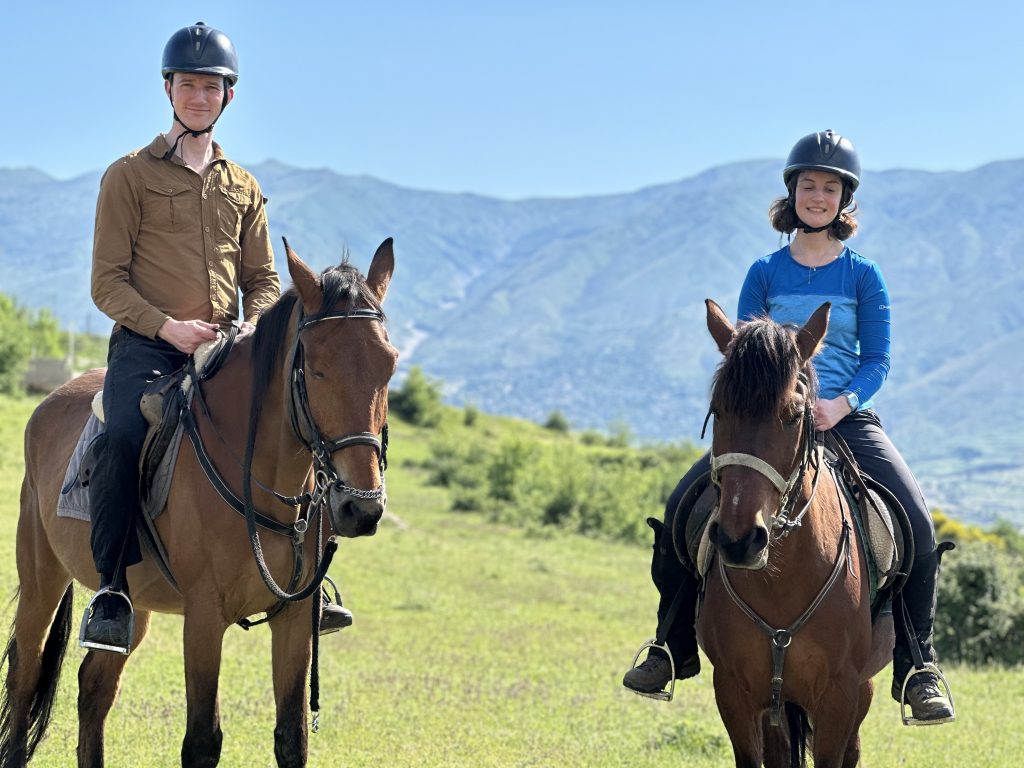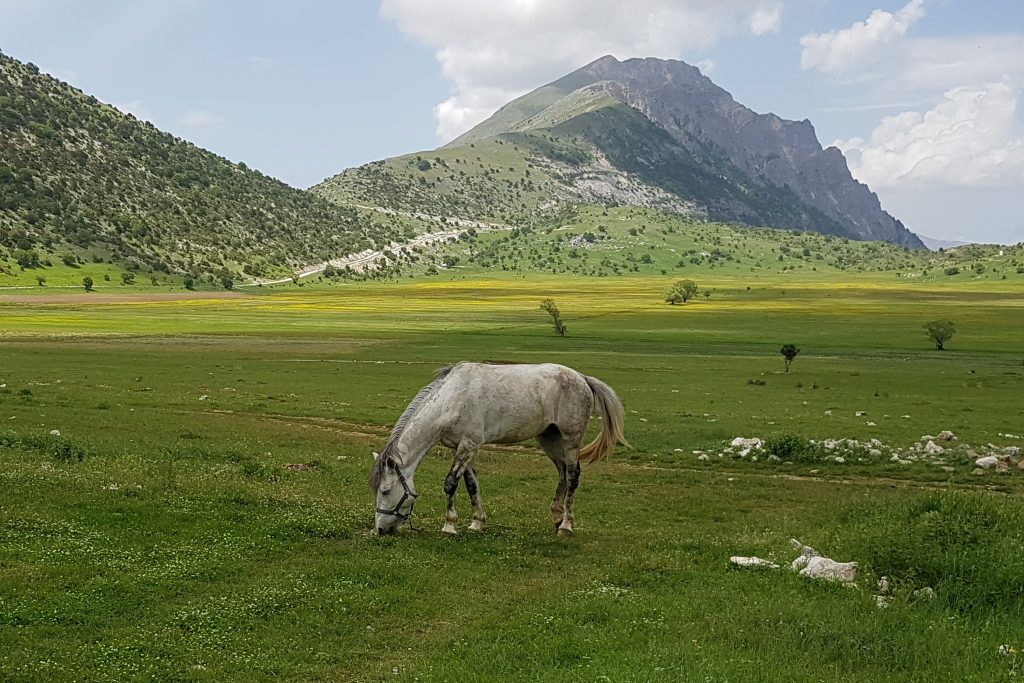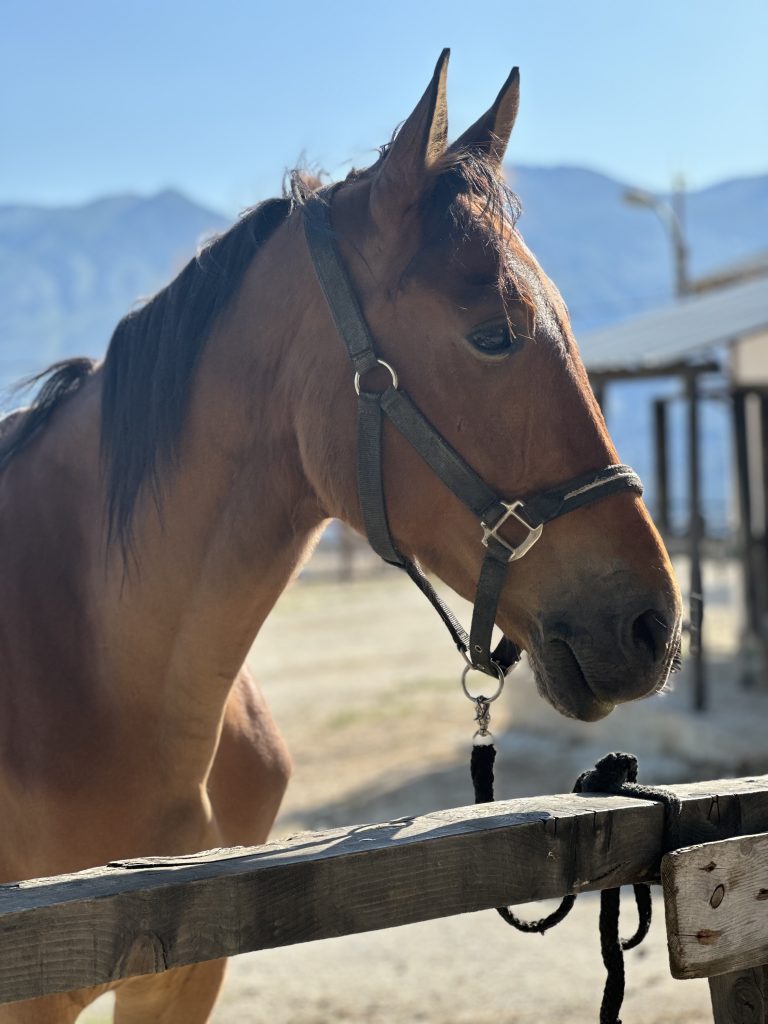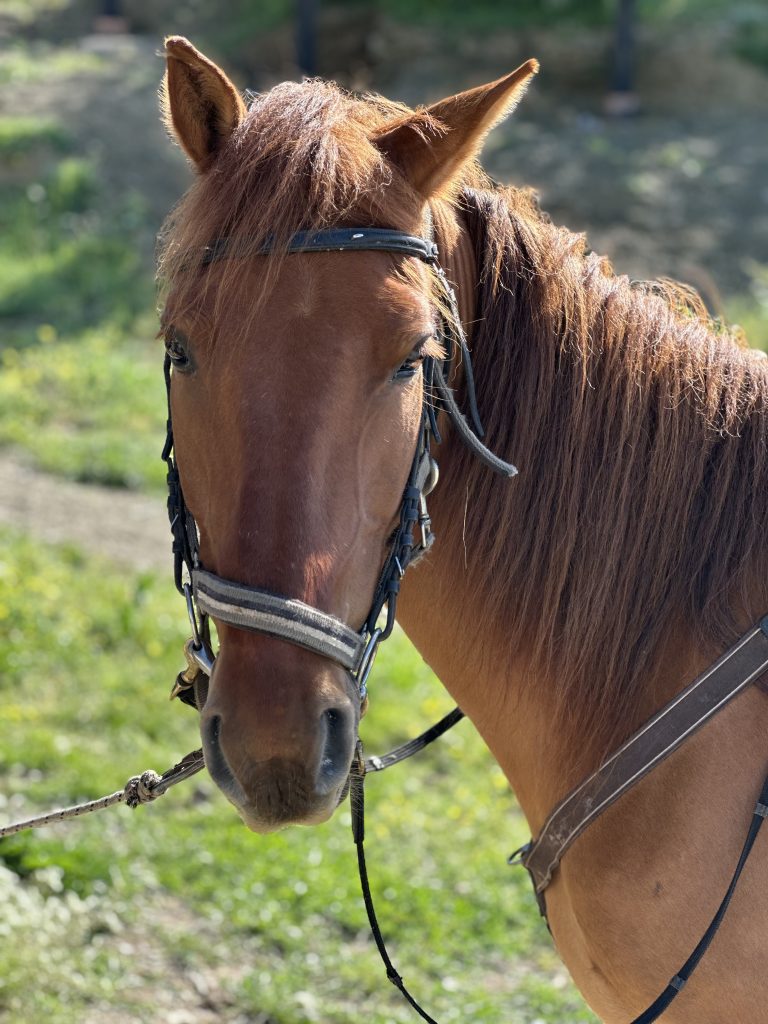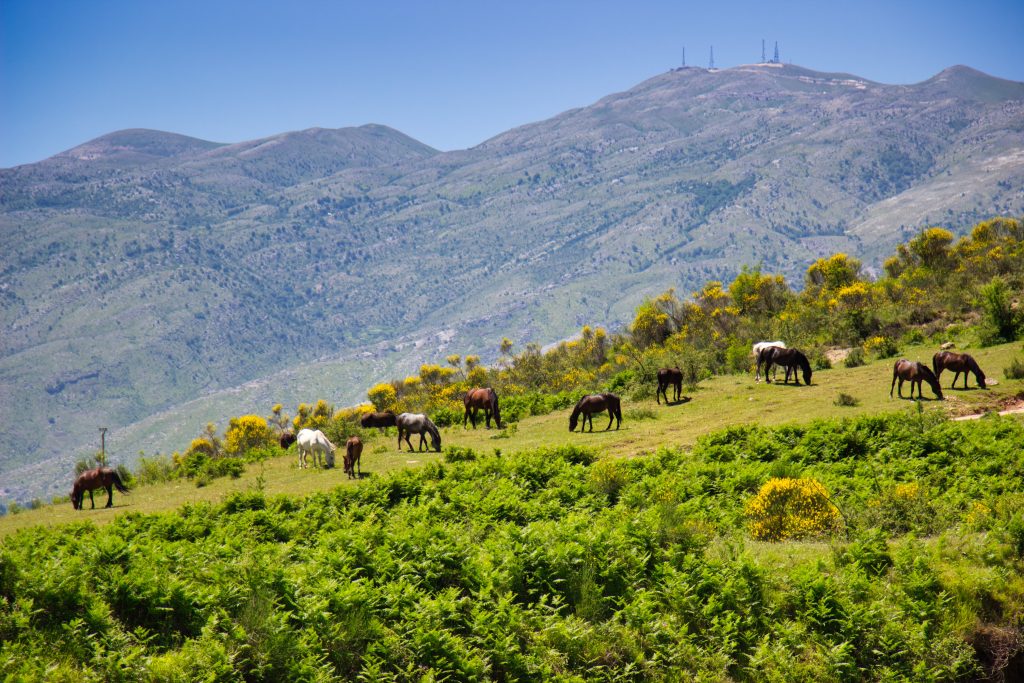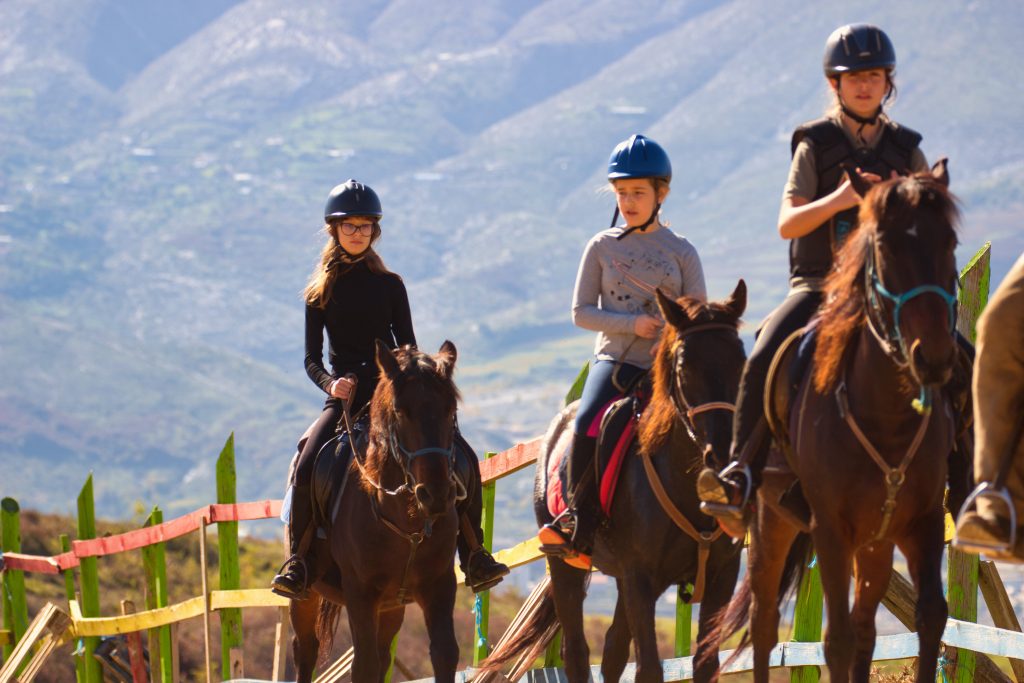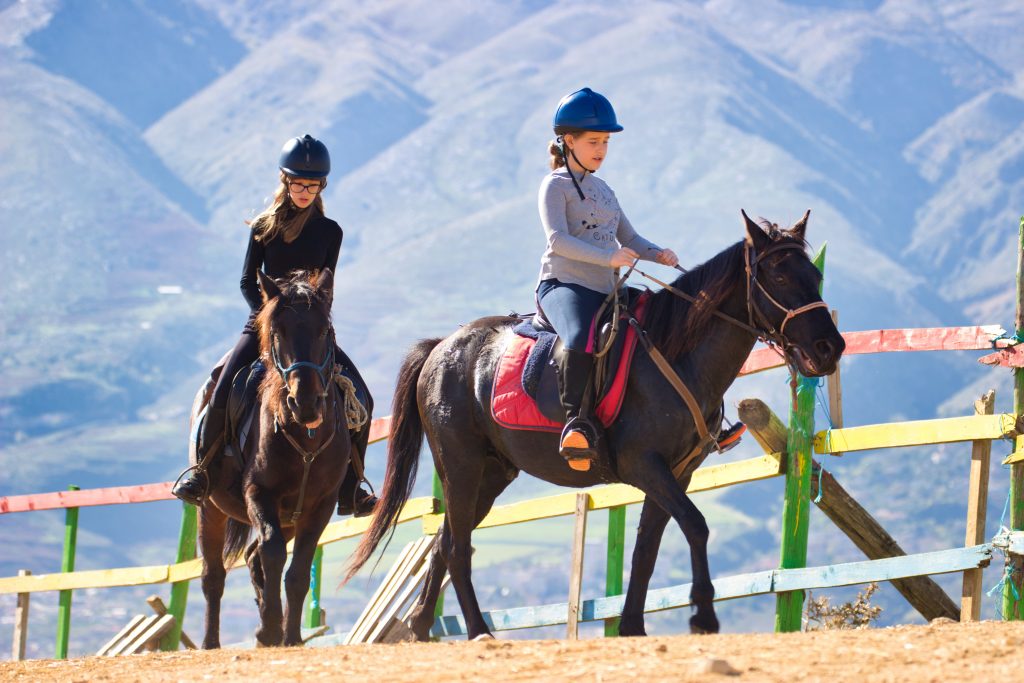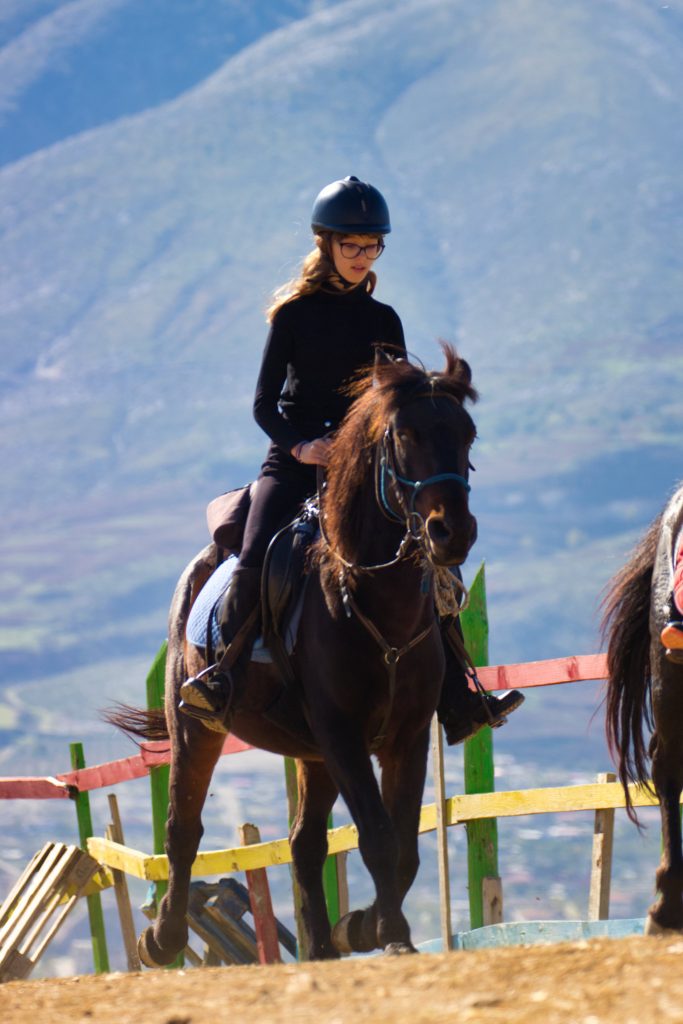
photo: guide's archive

Albanian Riding School

Albania

1190 

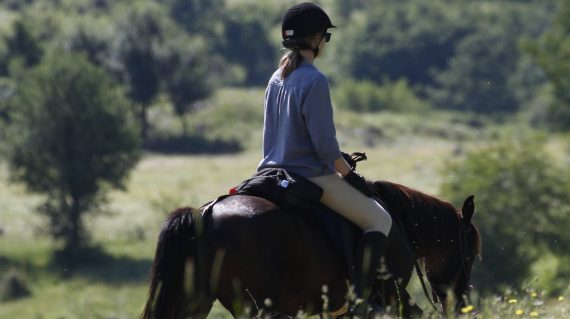
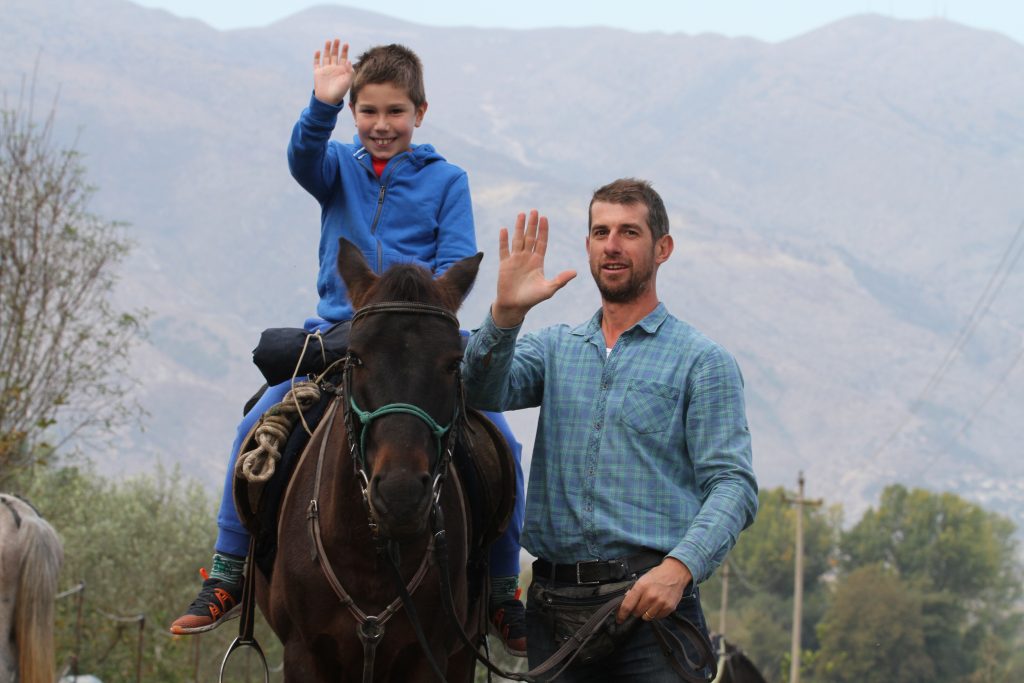
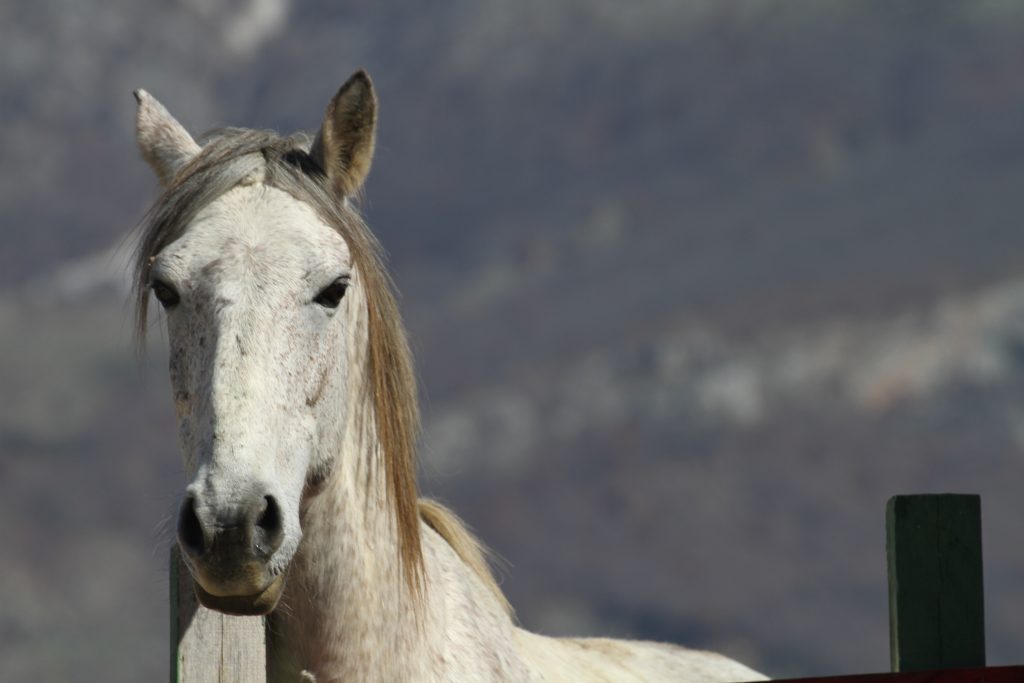
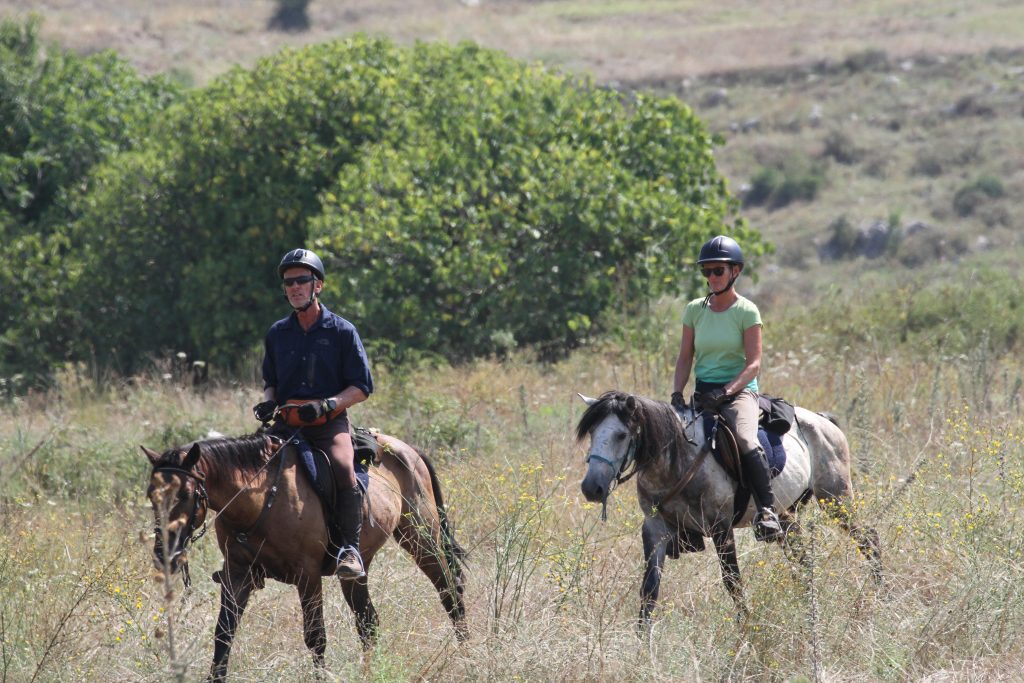
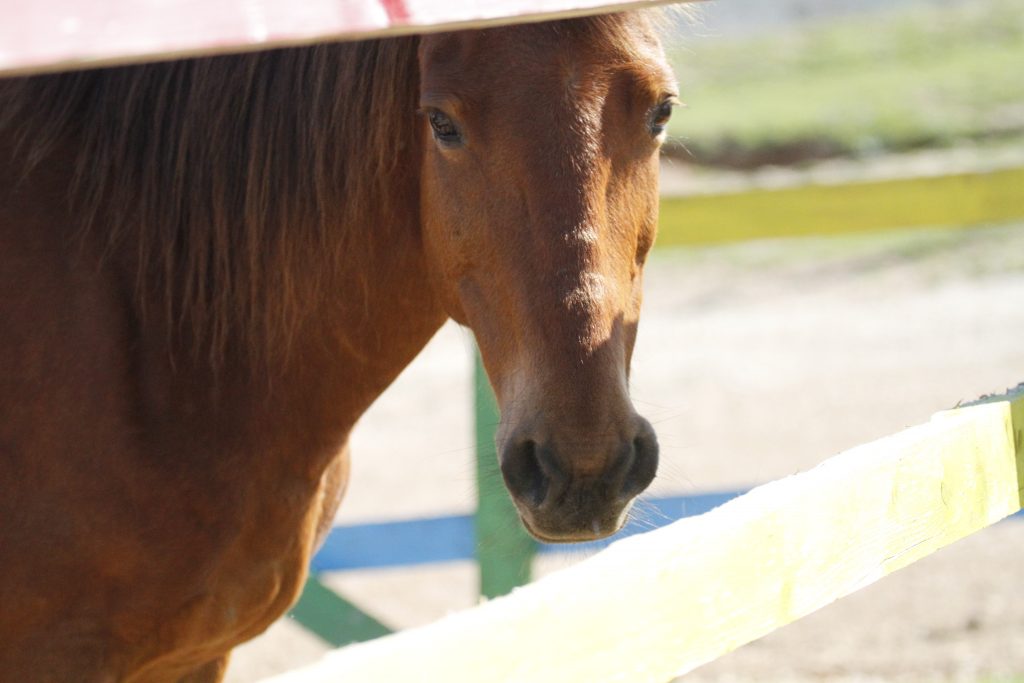
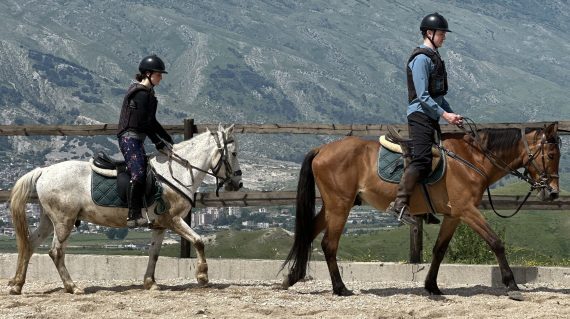
The Albanian Riding School is trip for beginners or even absolutely ‘green’ riders. If you have literally just had your first few lessons or are dreaming of riding horses but have no experience at all – you will get the basics of riding right here. Albanian steeds, patient and calm, will introduce you to the world of riding under the guidance of experienced instructors and trail riding guides. A week full of learning, training and exercise, exciting experiences in the saddle, beautiful sights, cultural discoveries and culinary experiences awaits! It will be a very active, yet fun and relaxed, learning experience. A great opportunity to start your adventure with horses and soak in equestrianism forever!

  • Days overall
    8 days
    Days in saddle
    6 days
  • Group size
    6
    Available
  • Standard
    Balkan hospitality (under roofs and in bed linen)
    Luggage
    no limit kg
    Food
    local cuisine, vegetarian and vegan available
  • Skills
    no skills required

The Albanian Riding School is the first trip we offer for people who cannot ride horses (yet). If you dream of interacting with horses and riding on horseback, but have no riding experience or have only had your first few lessons and want to develop your skills – this trip was created for you. In our universe of expeditions and horseback rides, those in Albania occupy a very important place. They are among those more demanding ones, both in terms of riding skills and physical fitness. We have been working with our Albanian partners for many years, and privately we like each other very much. Our partners are absolute horse and equestrian enthusiasts, especially when it comes to trail riding and travelling in the saddle. They are very experienced horse guides and fantastic, cheerful and fun people. This is the reason why the riding course from scratch, which we were proud to inspire, is taking place in Albania.

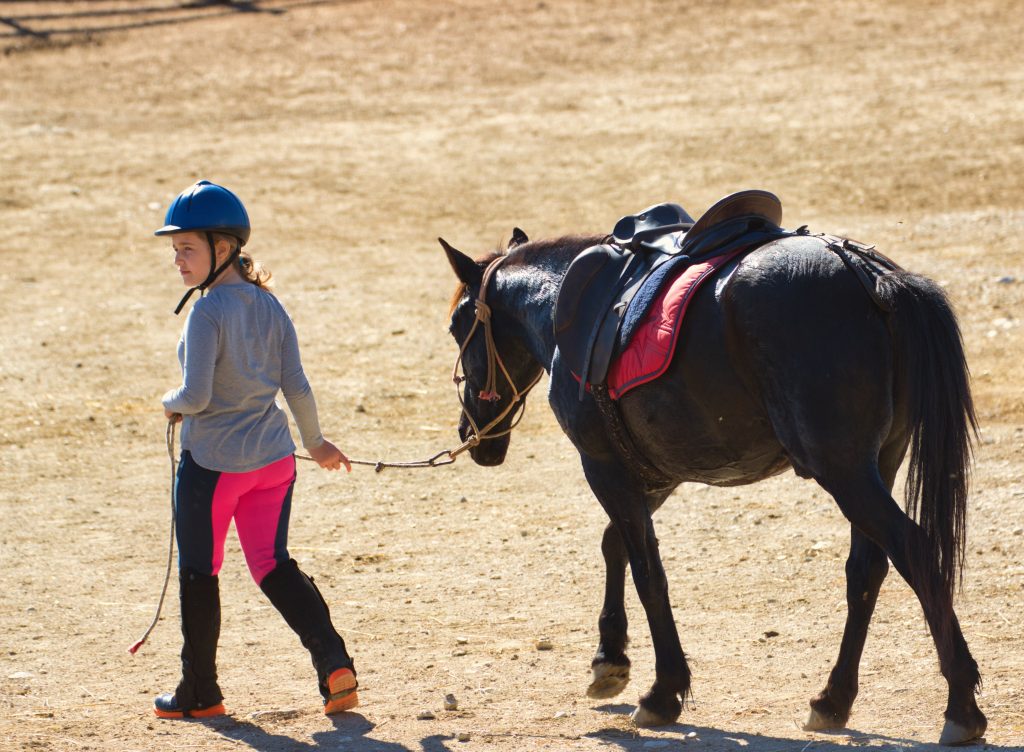
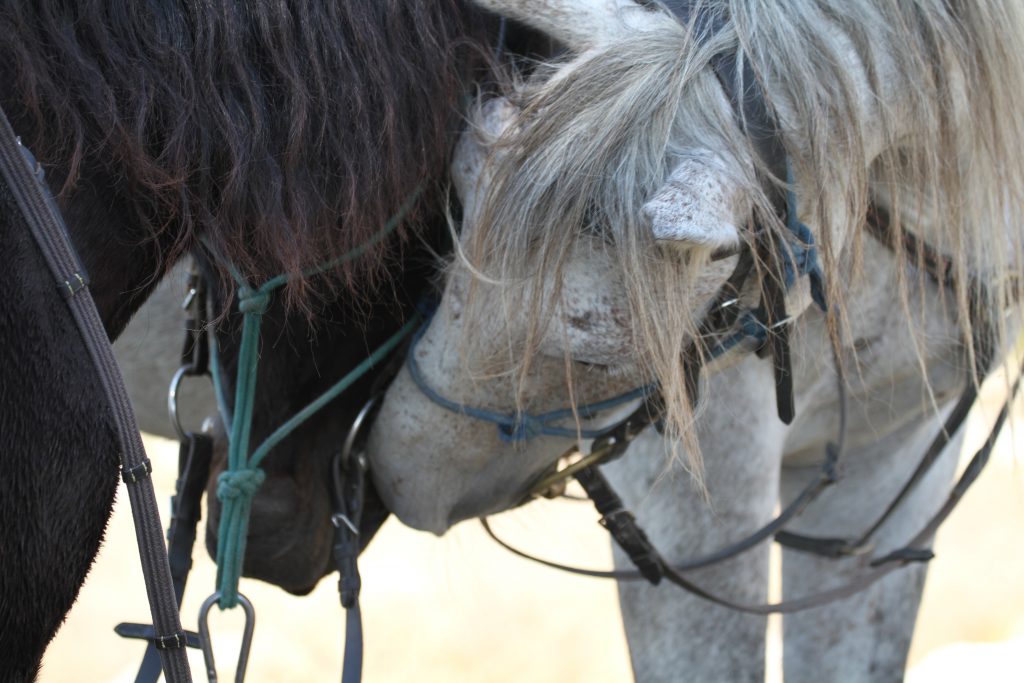
Long-standing instructors and trail riding guides and their brave Albanian horses will give you a powerful dose of knowledge and experience, both during training and exercises on the training grounds and during open terrain rides. Over the course of a week, you will cover the absolute basics of horsemanship: safe and proper horse approaching, general rules of behaviour around horses, understanding the nature and behaviour of horses, cleaning, saddling and feeding horses, and even more importantly: interacting with horses. The course also focuses strongly on communication between riders and horses and building your confidence around horses and in the saddle.

As part of the riding lessons, you will learn how to communicate with your horse, how to gain proper balance in the saddle, how to “steer” your horse, how to walk and trot, how to go up and down over terrain obstacles, and you will also try your first canter. Although everything is done in a relaxed and fun way, for beginners this trip will be quite intense in every respect. But after all, that’s what it’s all about, isn’t it? 🙂

Horse riding is a demanding field and there are few shortcuts across it. After this trip, you will not become a seasoned rider who embarks on multi-day horse riding trails for advanced riders. However, you will gain a very solid foundation that will allow you to develop further as a rider. This is the main aim of the Albanian Riding School: to give you the basic knowledge and a solid dose of first riding experience, so that you can develop faster and better as a rider.
And in some time, if you continue to learn and train, more tour from our offer will open up for you – including those in Albania. 🙂

The training programme is planned so that participants also have free time between training sessions. This can be used – simply – to relax and unwind, or to take part in optional activities. There are quite a few to choose from, so there is something for everyone’s liking.

The entire training course and all activities take place in English. A decent knowledge of the language, which allows for reasonably free communication, is therefore required.

Rider weight limit for this course is set to 90 kg / 200 lbs.

What is included in this tour?Items that are included in the cost of tour price.
  • Accomodation in a villa / guesthouse
  • All meals (starting with a dinner on arrival day to breakfast on departure day)
  • Local, English-speaking instructors and guides
  • Horses with full tack and equipment
  • Tourist insurance covering horse riding
What is not included in this tour?Items that are not included in the cost of tour price.
  • Flight tickets to and from Tirana / Flight tickets to and from Korfu and ferry to Saranda
  • Transfer to and from Tirana (around 90 euro) or Saranda (around 50 euro)
  • Optional: single room supplement (20 euro per night, paid on the spot)
  • Minor expenses (souvenirs, additional snacks, admission tickets in free time, etc.)
  • Optional: additional workshops and activities – paid on the spot
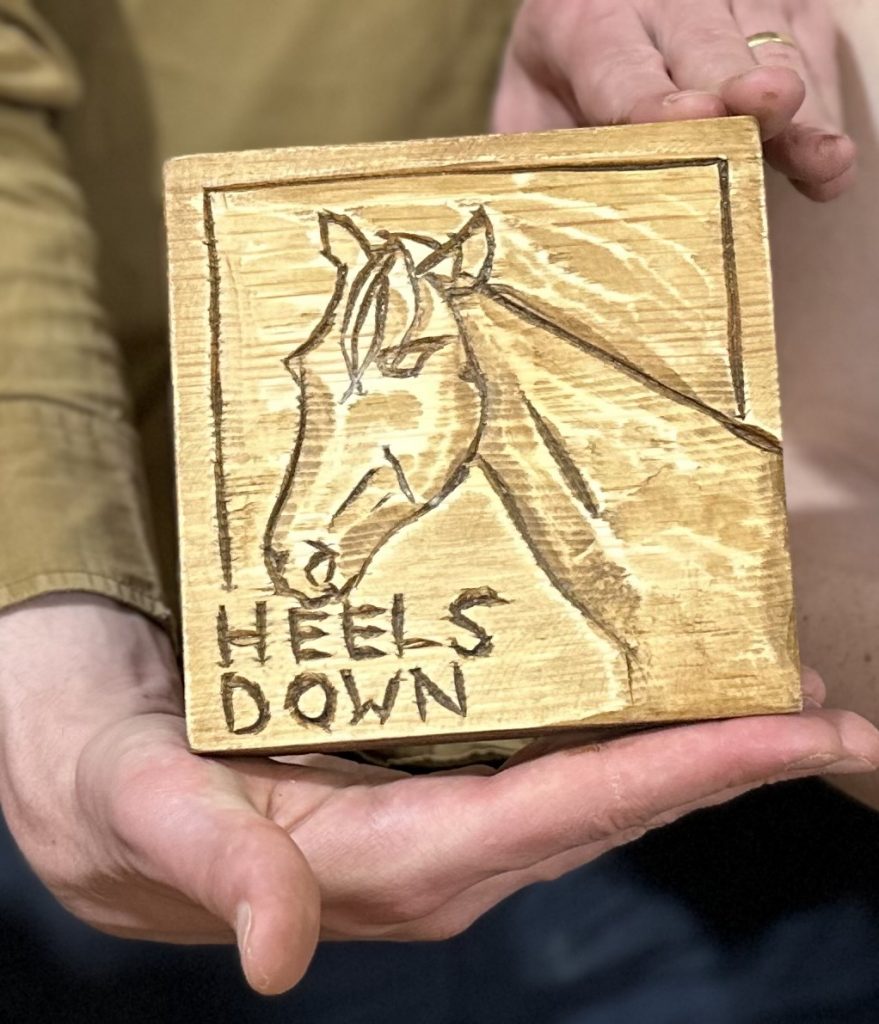
    – wood crafting workshop – 36 euro per person
    – cooking class – 46 euro per person
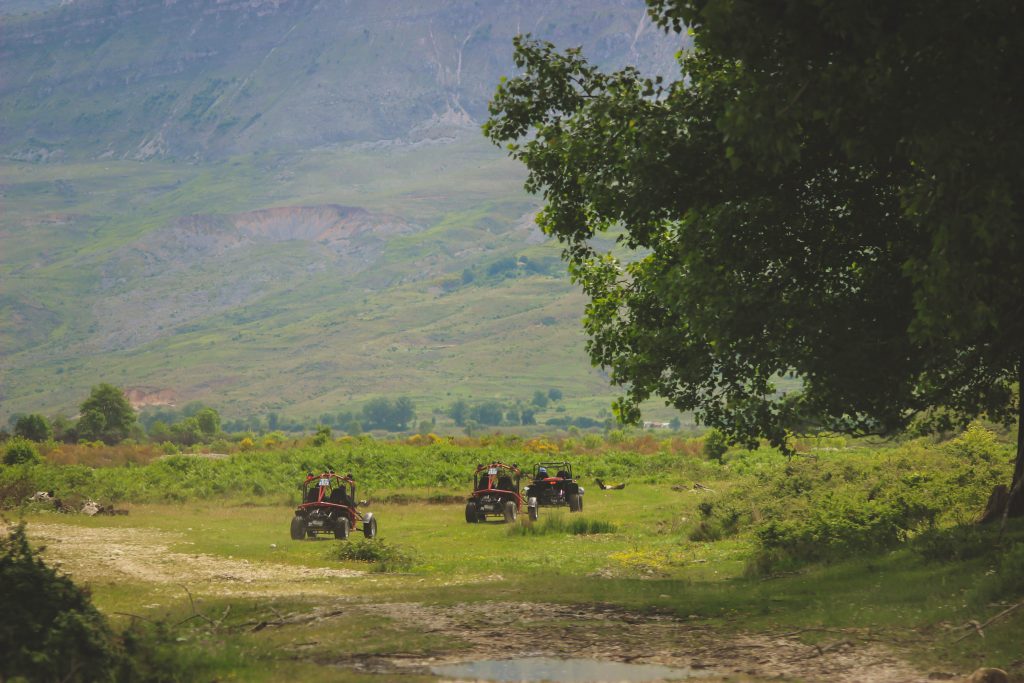
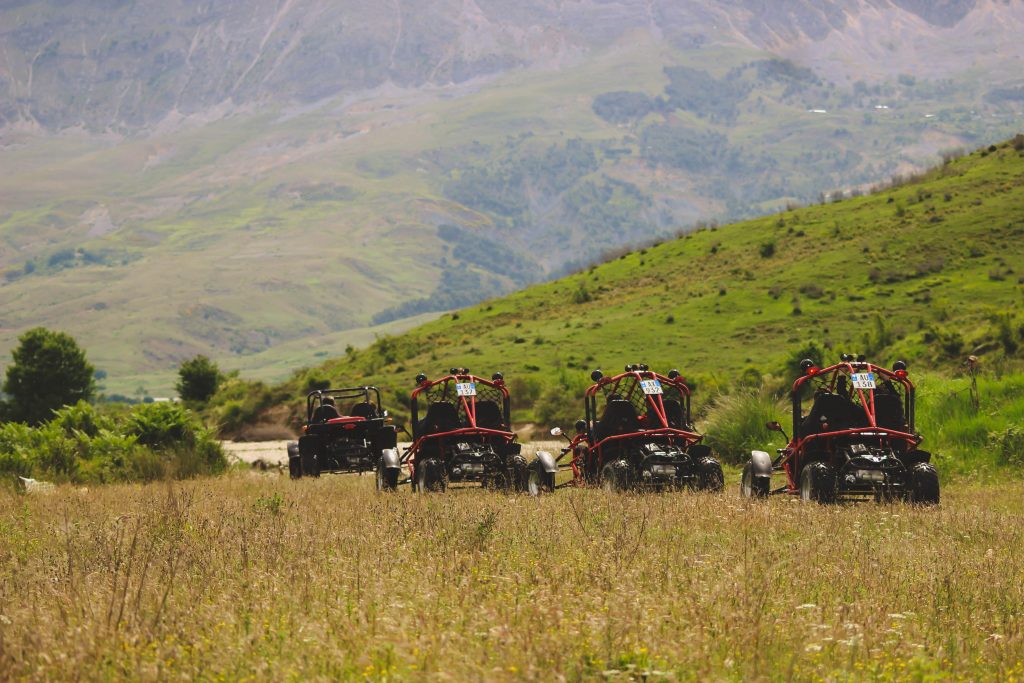
    – buggy tour – 35 euro per person
    – Cold War city tour – 55 euro per person (entrance tickets to three monuments included)
    – guided hiking tour – 48 to 64 euro per person, depending on the itinerary
    – embroidery class – from 25 euro per person
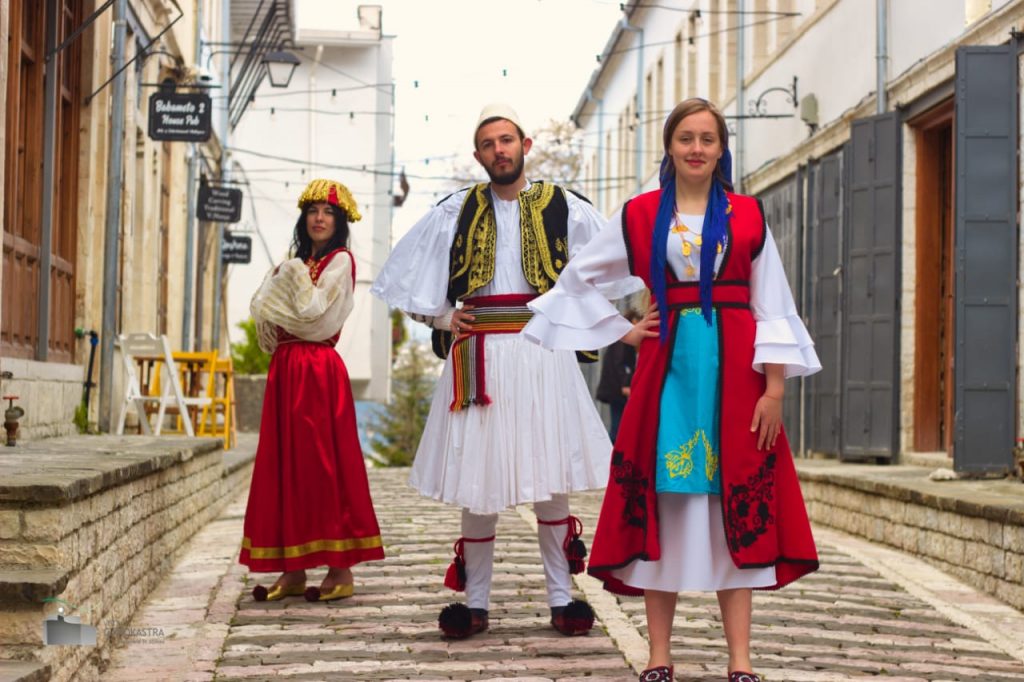
    – dress up as a local – traditional outfits – from 15 euro per person
    – ice cream making – from 13 euro per person
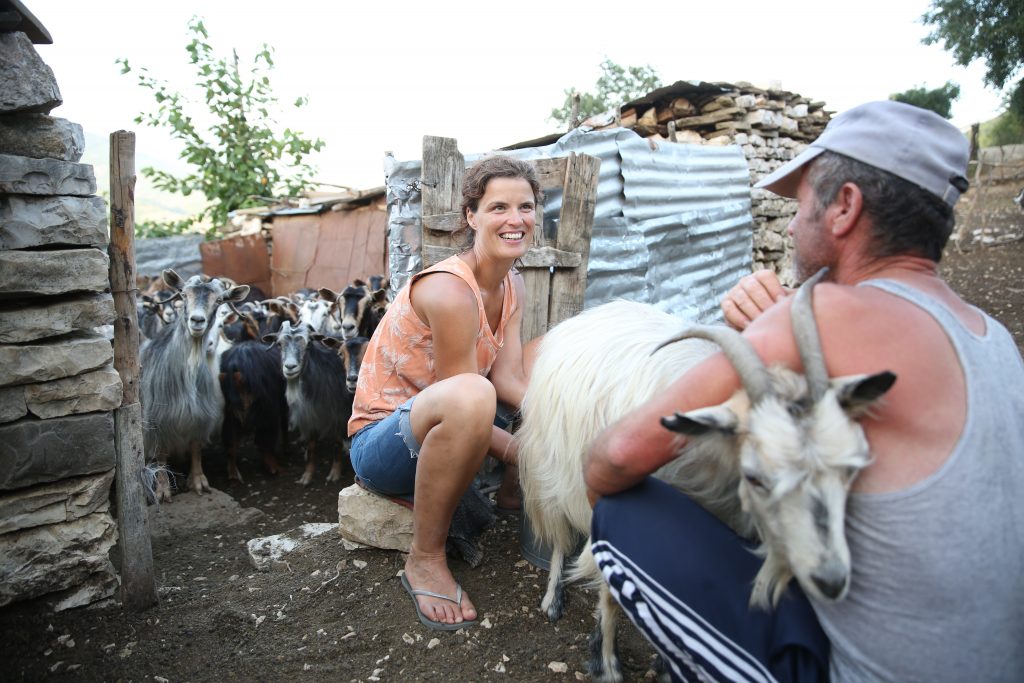
    – farming activity workshops – from 34 euro per person
  1. Day 1 Arrival

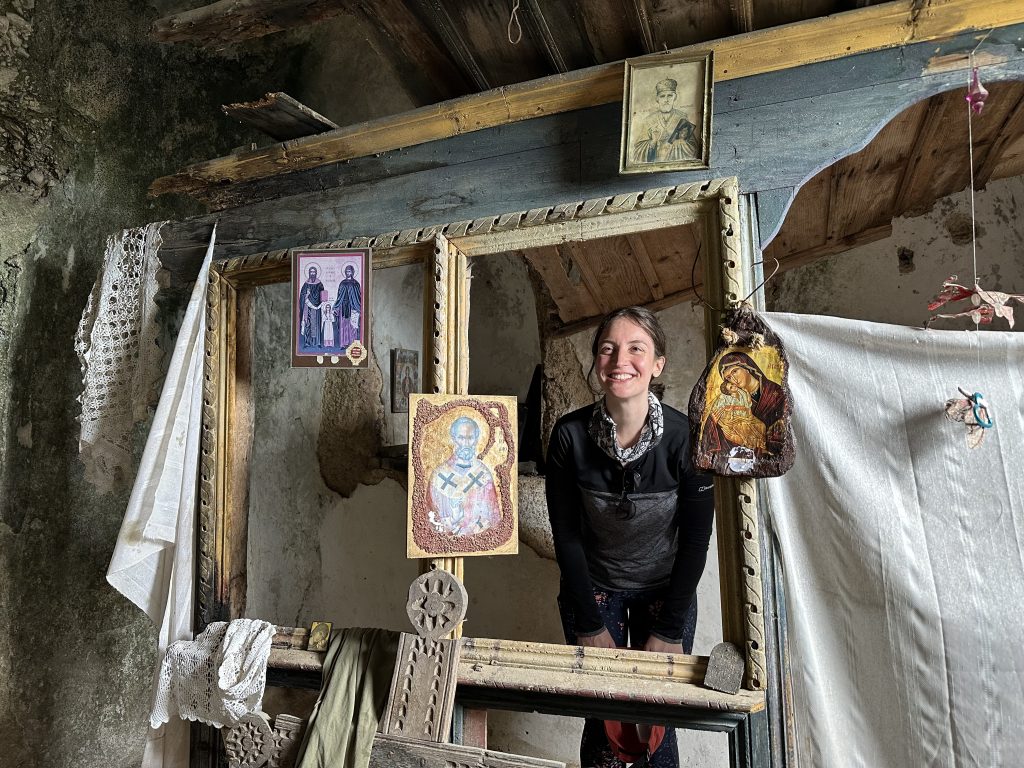
    You can reach Albania either by flying to Tirana or to Corfu and then taking a ferry to Saranda. We can arrange transfers to Gjirokastra upon request from both cities. Public transport is also an option, although it’s definitely more difficult and less comfortable. If you choose the first option you should arrive at the meeting point in Tirana airport no later than 14:00. In the case of Saranda transfers are coordinated with the ferry schedules from Corfu. We usually reach Gjirokastra in the late afternoon; you can rest at the hotel after the journey or take a walk through the stunning streets of the medieval old town. Highlights include a 12th-century castle, a church and a mosque, Enver Hoxha’s house, and the Skenduli House (a textbook example of a traditional Muslim home). In the evening, dinner will be served at a restaurant offering Albanian cuisine, during which the guides and instructors will present the plan for the entire week. You’ll get first instructions on horses and safety around them and learn how the team will choose a horse for you. We spend the night at a hotel.

  2. Day 2 Getting to know the horses

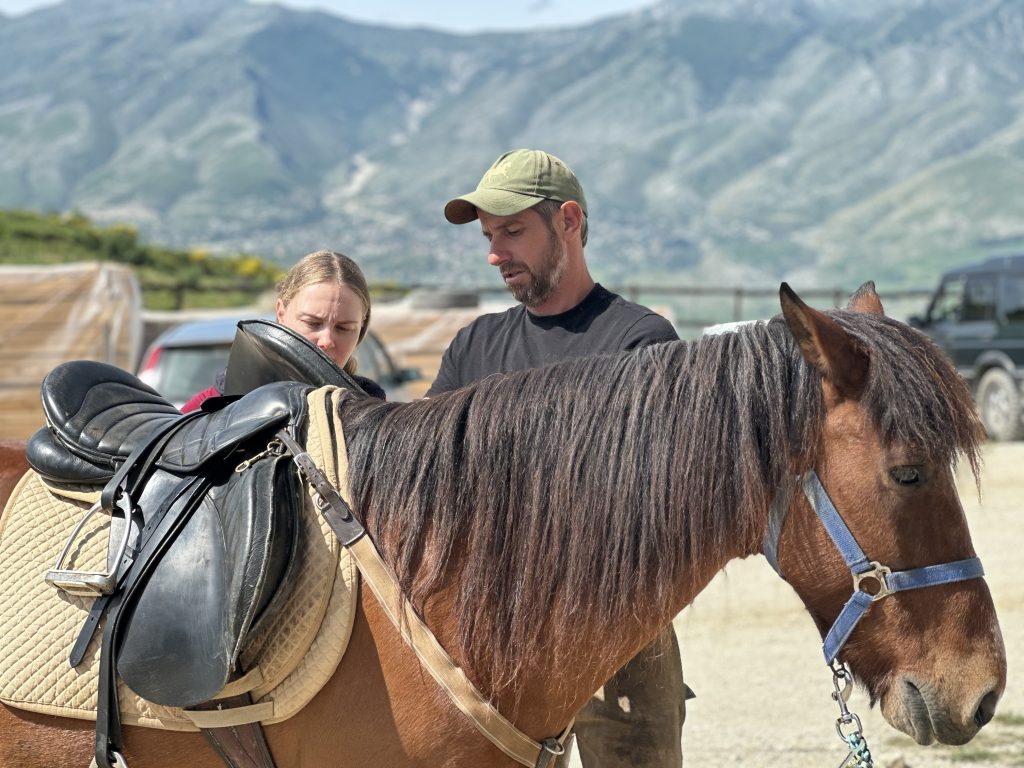
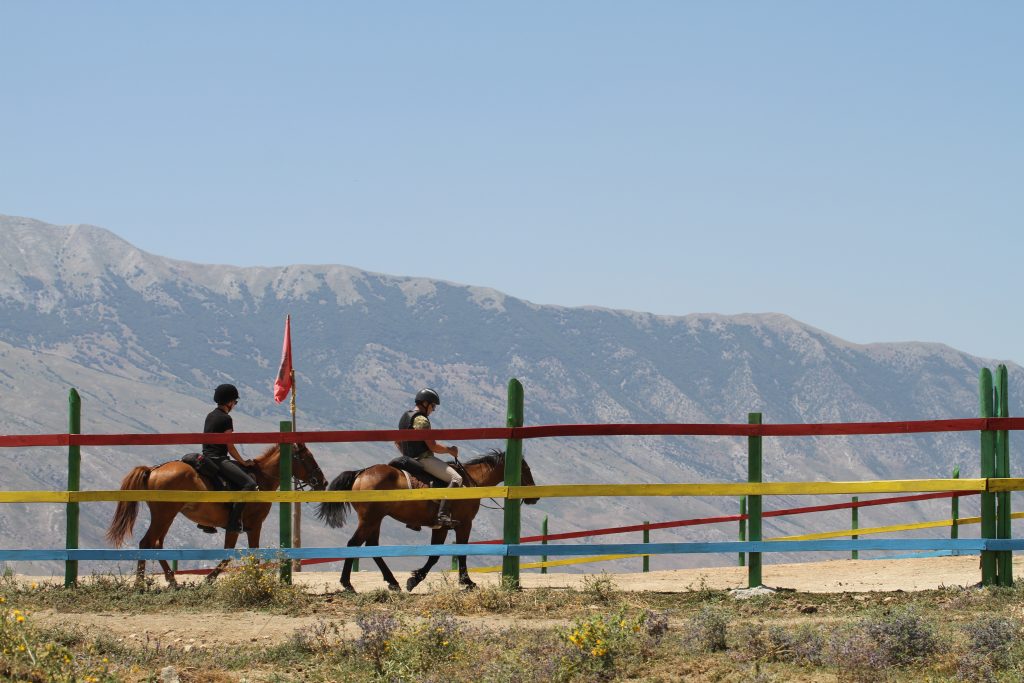
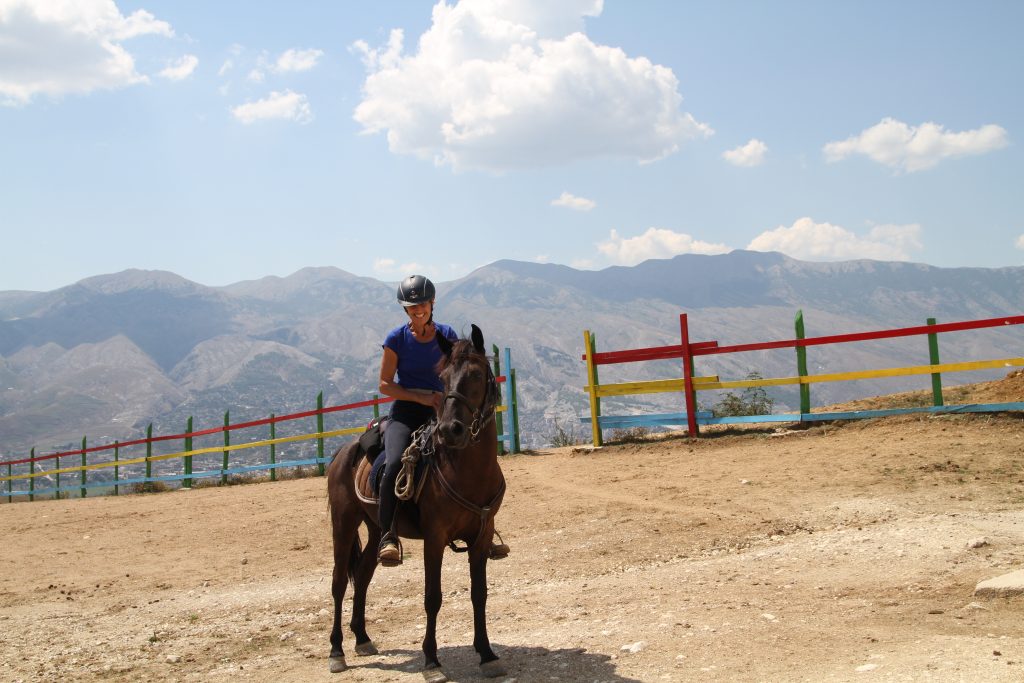
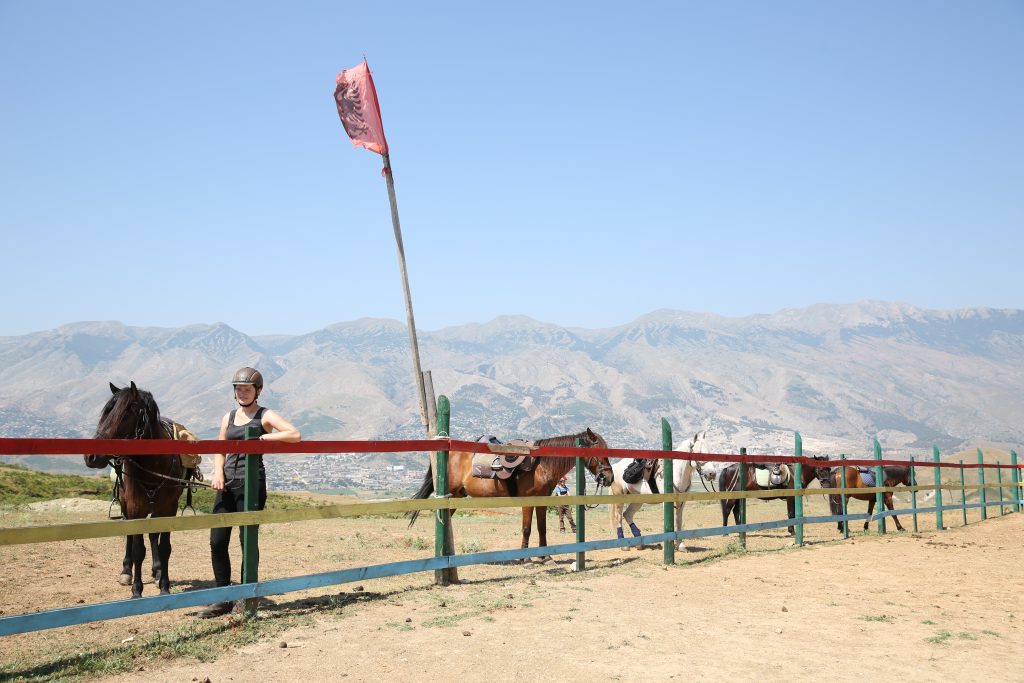
    In the morning we’ll have breakfast and head to Asim Zenel, a village just outside Gjirokastra. After settling into the guesthouse, we’ll get changed and make our way to the stables. During the morning session we’ll start by getting to know the horses — this is when you’ll meet the horse you’ll be spending the coming week with. Then we move on to the first “from-the-ground” lessons: the basics of being around horses, keeping the right and safe distance, grooming, putting on a halter and leading on a rope, feeding, understanding horse behaviour, and building trust between horses and humans. For the first two hours, the horses will be the teachers. In the afternoon we’ll go for lunch to a restaurant in the village. Then we’ll spend the rest of the day in the arena, continuing the learning. We’ll cover the key essentials of tack, how to mount and dismount safely, balance in the saddle, and correct riding position. This part will take about 2–2.5 hours, with enough time for everyone to learn at their own pace. After the afternoon session we’ll return to the guesthouse, and in the evening we’ll sit down for a shared dinner — with time for reflections and a proper wrap-up of our first day with the horses.

  3. Day 3 Getting your horse ready and first riding out

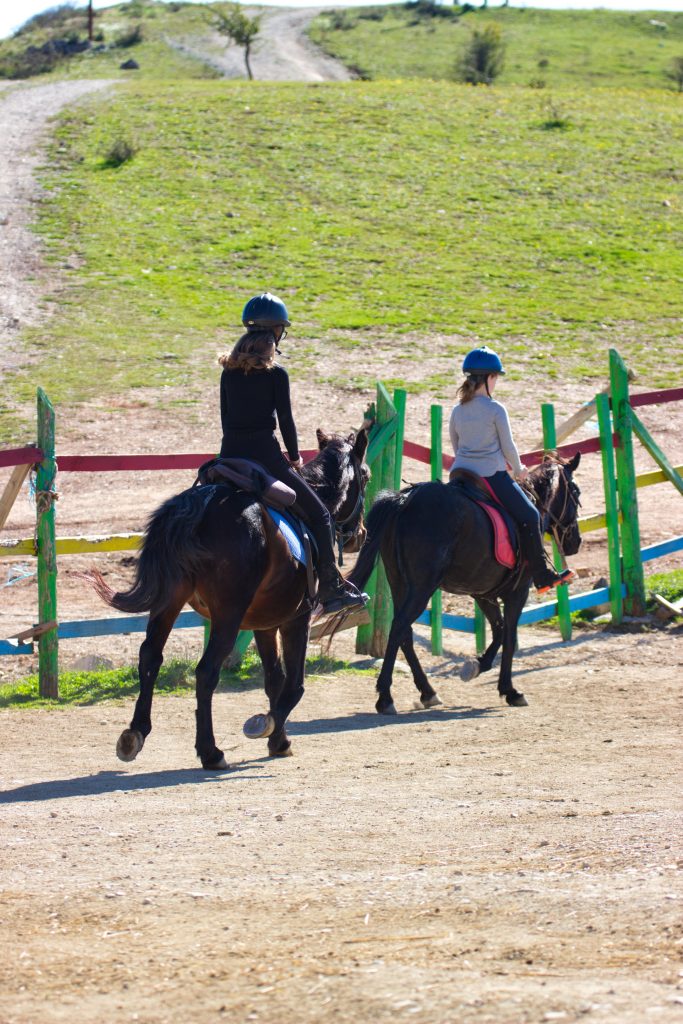
    Today we’ll take a big step forward: we’ll prepare our horses for work on our own. After driving from the guesthouse to the stables, each participant will groom, perpare, saddle and check their horse, to get into the rhythm of working together. During the morning arena session we’ll practise leading the horse, confident walking, maintaining balance, and feeling how our movements influence the horse. This session will last about 2–2.5 hours, and its key focus is building trust and understanding between horse and rider. After lunch at a local restaurant we’ll return to the arena to practise riding in a group: keeping distances and giving the horse clear signals. Then, for the first time, the instructors will take us outside the arena. We’ll head out slowly onto the trail, following paths that go uphill and downhill, learning to feel the horse’s movement and to communicate through balance and subtle cues. Independent work with your horse and your first ride out in the countryside are an important part of building confidence and a real connection with your horse. We’ll end the day back at the guesthouse with a reflection session and dinner — with time to share observations and takeaways.

  4. Day 4 On foot, in the saddle and in a half sit

    The day begins with preparing the horses and a warm-up in the arena, and then we head out for a guided group ride in the countryside. This morning is all about bringing together everything you’ve learned so far: balance, breathing, connection with your horse, correct position, and simple commands, now applied and put to practice in open terrain. As you ride, the instructors will observe you and help spot moments of hesitation, emotional blocks, and the areas where you’re still looking for confidence. After this important morning session we’ll have lunch at a local restaurant, and then return to the stables. In the afternoon we’ll focus on deepening your partnership with the horse. You’ll practise leading your horse out in nature, walking both beside it and in front of it on sloping ground — one of the really important skills for riding outdoors. Then we’ll hop back into the saddle and head uphill, learning the basic position needed for trotting. The day ends with an evening wrap-up: we’ll look back on the day’s progress together, you’ll get hints and tips, and stretching exercises to prepare your body for the first “proper” trotting work the next day. A home-cooked dinner at the guesthouse rounds off a day full of impressions.

  5. Day 5 Rythm in trot

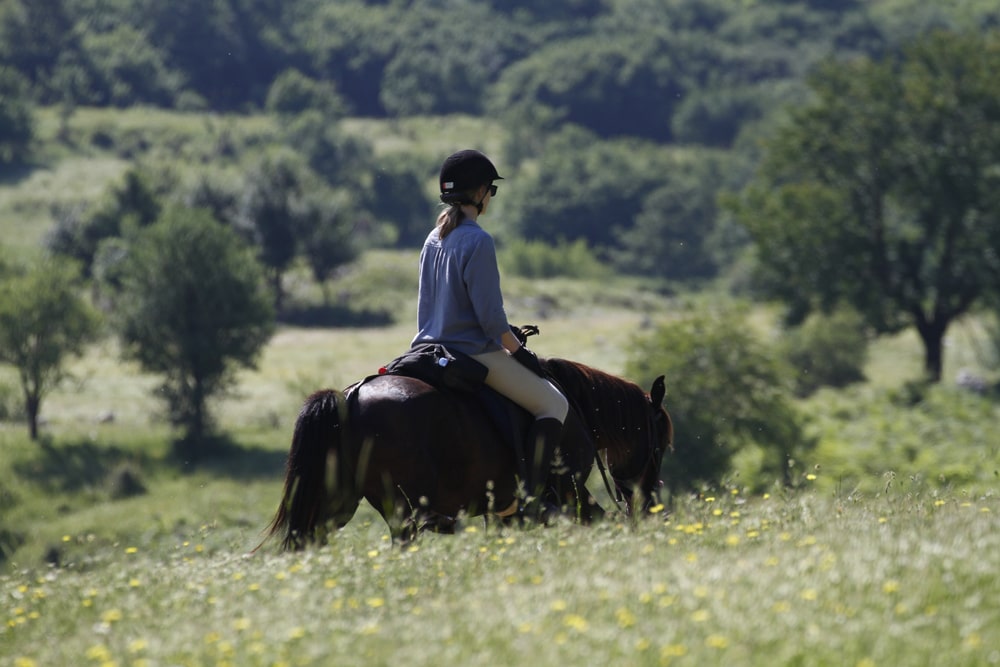
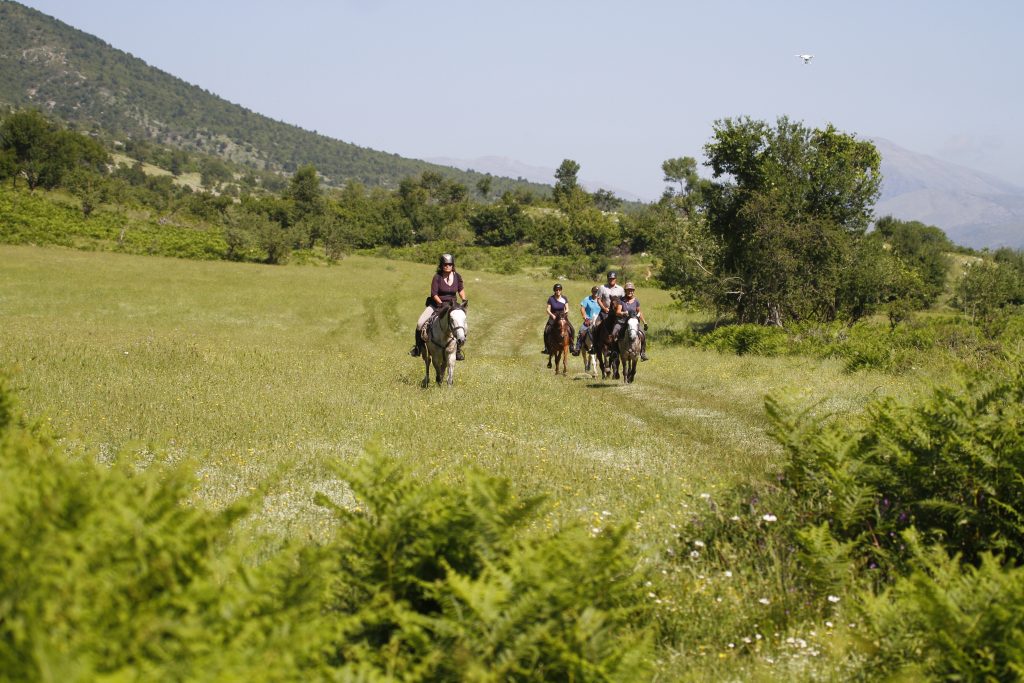
    The day begins with preparing your horse on your own, from grooming to saddling, with the instructors doing the final check. It’s a really important moment, showing the skills you’ve built so far and the confidence you’re gaining in your horsemanship. Once everything is ready we’ll head out for a 1.5-hour ride in the countryside, moving through hills and open landscapes. Along the way we’ll practise rising and sitting in the saddle — a key movement that prepares your body for trotting. Riding in varied terrain helps you refine your balance, posture and use of simple commands, while also strengthening the bond between horse and rider. After returning to the stables, we’ll take a break for lunch and a short rest before the main part of the day. In the afternoon we’ll go into the arena for a long session focused on trotting. Step by step we’ll learn to find the rhythm of the trot, feeling how the rider’s body, breath and balance sync up with the horse’s movement. It’s demanding, but also hugely rewarding — everything we’ve been practising so far starts to come together. The day ends with an important wrap-up session, including a video review. It’s a chance to share your impressions, your own perspective on the challenges and trickier bits, and the sensations that came with your first “proper” trotting work. It’s also a great moment to look at your growth as a rider and enjoy what you’ve achieved. In the evening we’ll sit down for dinner, with time to relax, chat, share stories and enjoy the calm of the village after an intense and valuable day.

  6. Day 6 First real trail

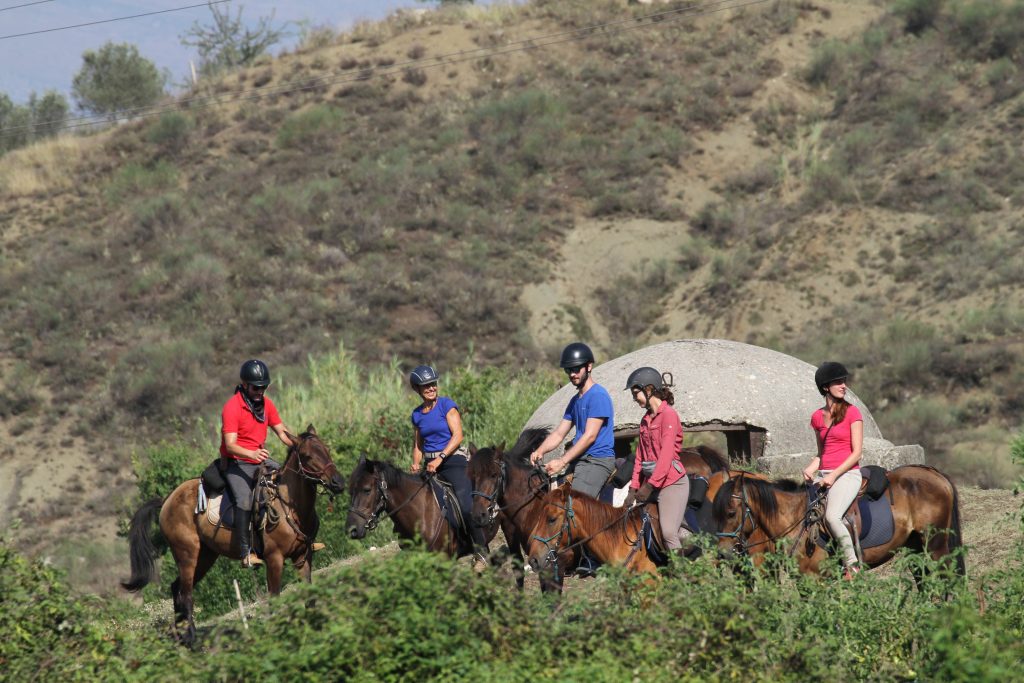
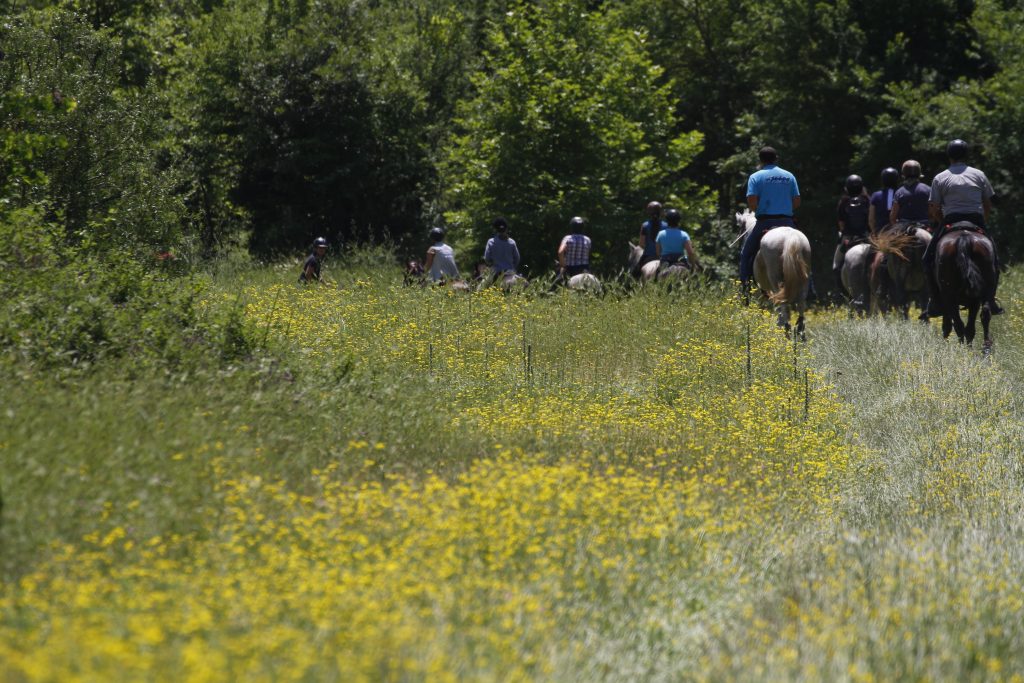
    We’ll spend this day in one long session that brings the previous five days together into one, big piece. The morning starts in the arena with the familiar routine of preparing the horses, and then we head out for a 3–4-hour ride through varied landscapes. Expect steep descents into valleys, open stretches where we can practise the trot, and gentle hills that are ideal for riding uphill. Along the way, the instructors will guide you not only in riding, but also in the practical skills of real trail experience: how to prepare for a longer route, how to tie up and manage horses out in nature, how to organise water, snacks and equipment, and how to ride safely and efficiently as a group. There will also be a chance to practise keeping a cool head and staying in control in unexpected situations — so you can deal with small challenges as they come up. Halfway through the ride we’ll make a short stop for fruit or snacks. This is also the moment to practise taking care of horses in a natural setting. Then we’ll continue our ride and return to the stables, rounding off a full, intensive day in the saddle. We’ll have picnic lunch at the stables, and then the afternoon and evening are free — time to rest, take a stroll around the village or town, or enjoy other activities. We’ll end the day with dinner at the guesthouse — a calm finish to a long and rewarding day out on the trail.

  7. Day 7 Long day in the saddle

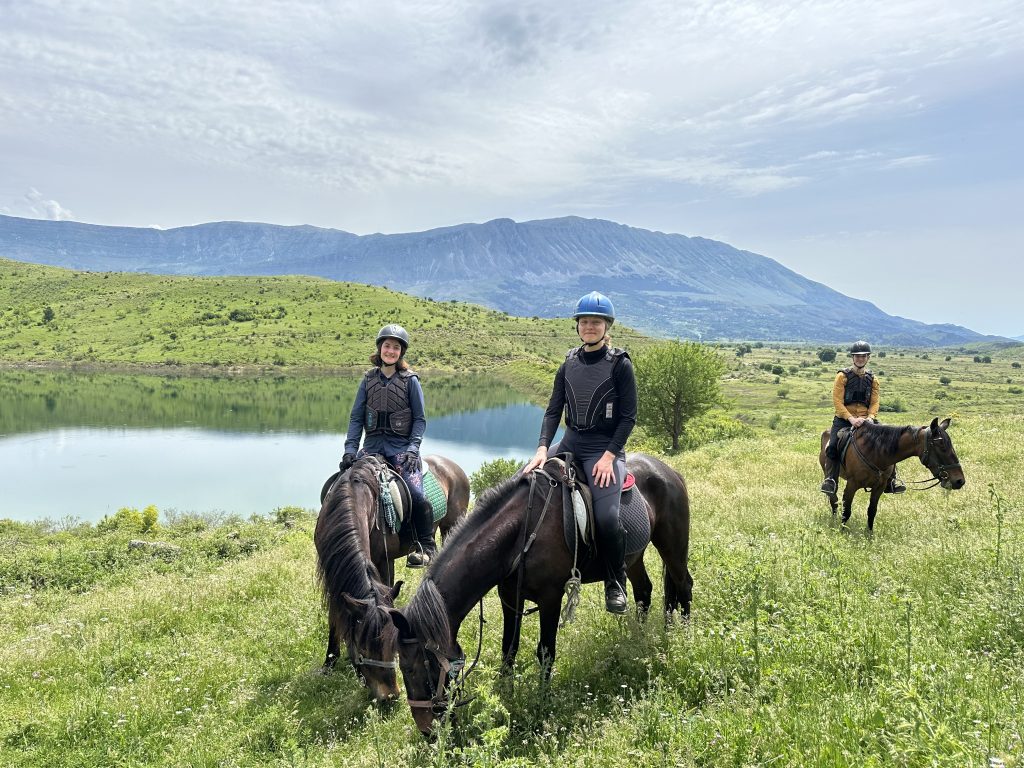
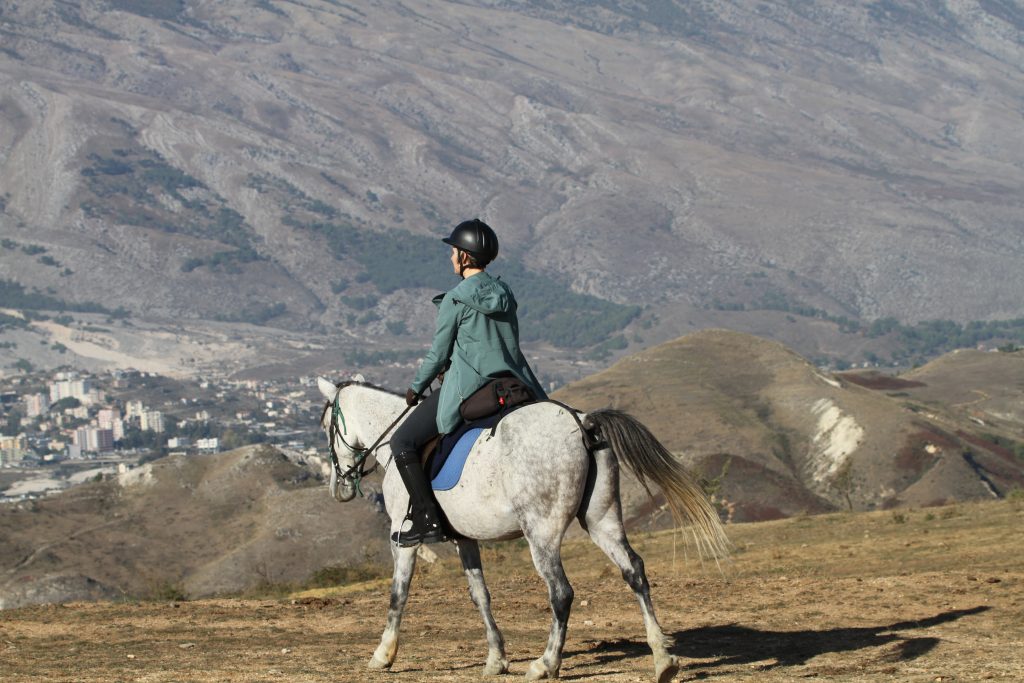
    We will spend the morning with our hosts, and then head out to the stables for a final celebration of everything we’ve achieved throughout the week. After getting the horses ready, we set off on a long 4–5-hour ride through beautiful countryside, with a scenic stop at Qestorati Lake. During this ride you’ll bring together everything you’ve learned over the week: balance, seat, trotting, keeping the right distances, group manoeuvring out in nature, and handling challenges such as vegetation, obstacles, water crossings and rest stops. It’s a day to enjoy your confidence and your bond with the horse – to feel the freedom of riding in the countryside, with the solid foundations you’ve built over the week. We’ll finish back at the stables with a final wrap-up, photos and farewells to the horses, celebrating the road we’ve shared and everything we’ve managed to achieve. We’ll have lunch as a picnic at the stables – a moment to rest and gather your thoughts at the very end of the adventure. Meanwhile, the luggage will be transferred to a hotel in the historic part of the city, where we’ll spend our last night. The afternoon will be free for sightseeing, and the evening will end with a traditional dinner with the instructors and guides – sharing stories and celebrating the week’s experiences together.

  8. Day 8 Farewell to Albania

    It’s time to leave Albania with new skills and amazing experience under your belt. Transfers to Tirana or Saranda available, depending on your travel plan. It’s best to plan your flight for not earlier than 1 PM due to transfer times. See you next time!

Instructors can modify the programme depending on weather conditions and the condition/fatigue of the group. :)
photo: guide's archive

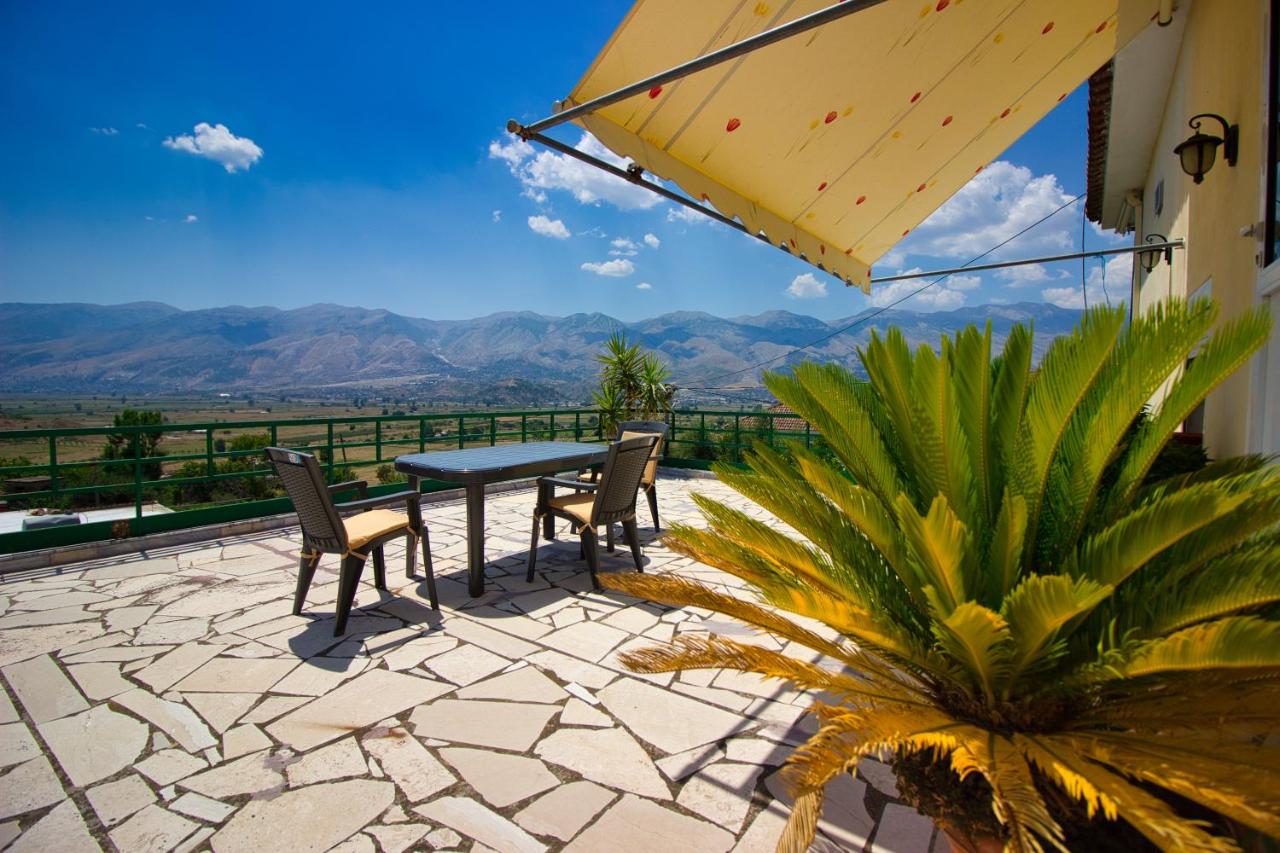
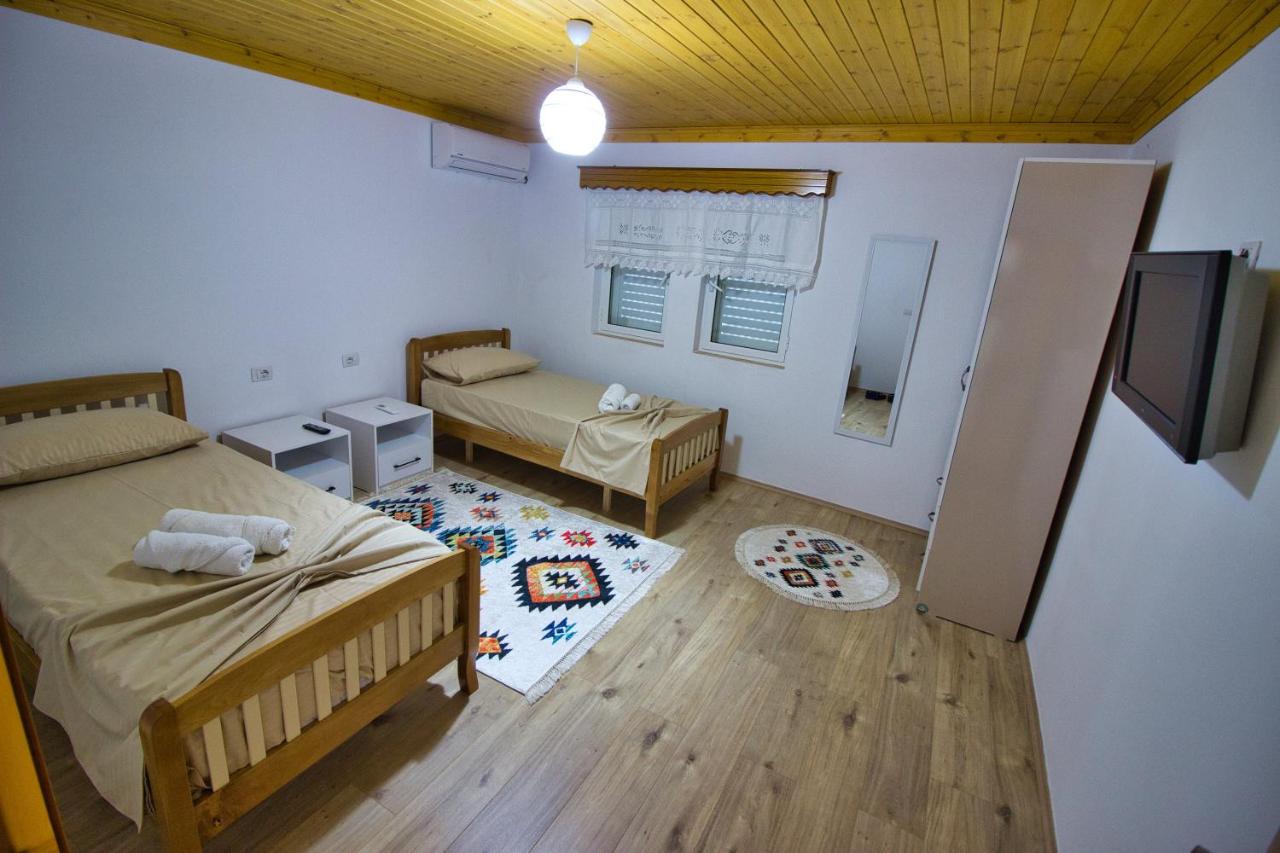
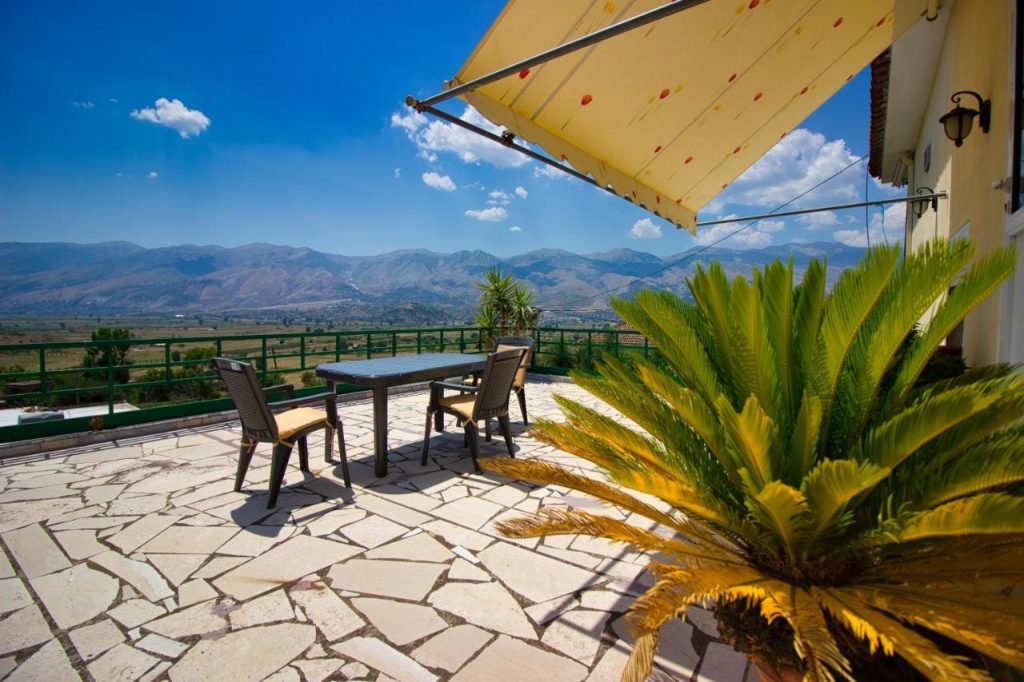
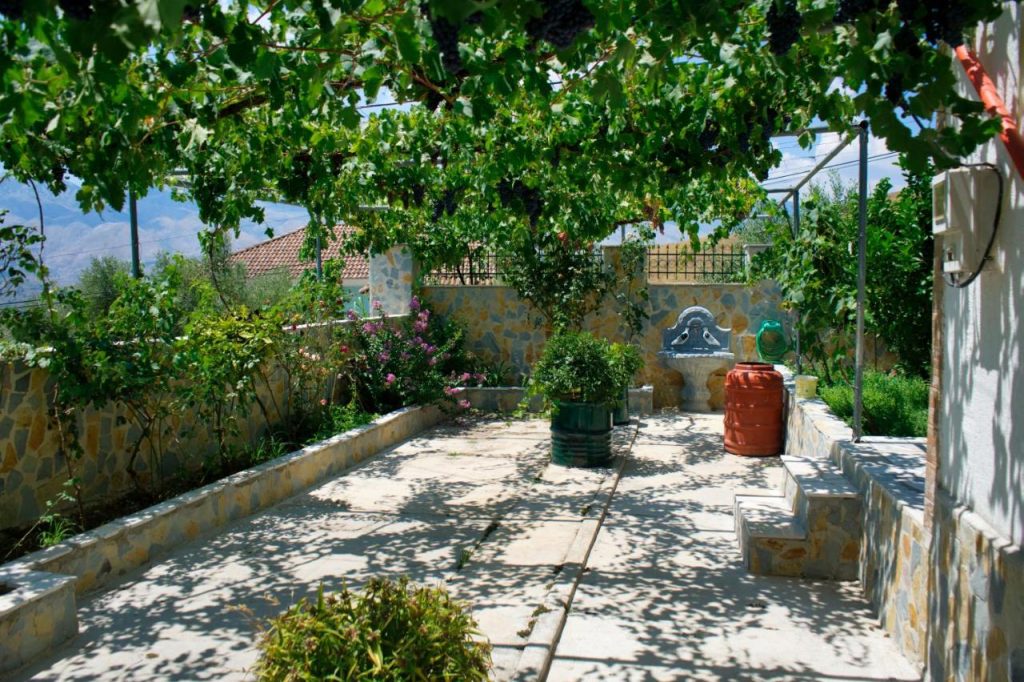
We spend two nights—the first and the last—in a hotel in the centre of Gjirokastra. All nights during the riding training are spent in a guesthouse/villa in the countryside. Participants are accommodated in double and triple rooms, with two shared toilets and a shared bathroom. All typical amenities are available on-site: electricity, WiFi, and the option to do laundry. The group also has access to a terrace where some of the meals will be served.

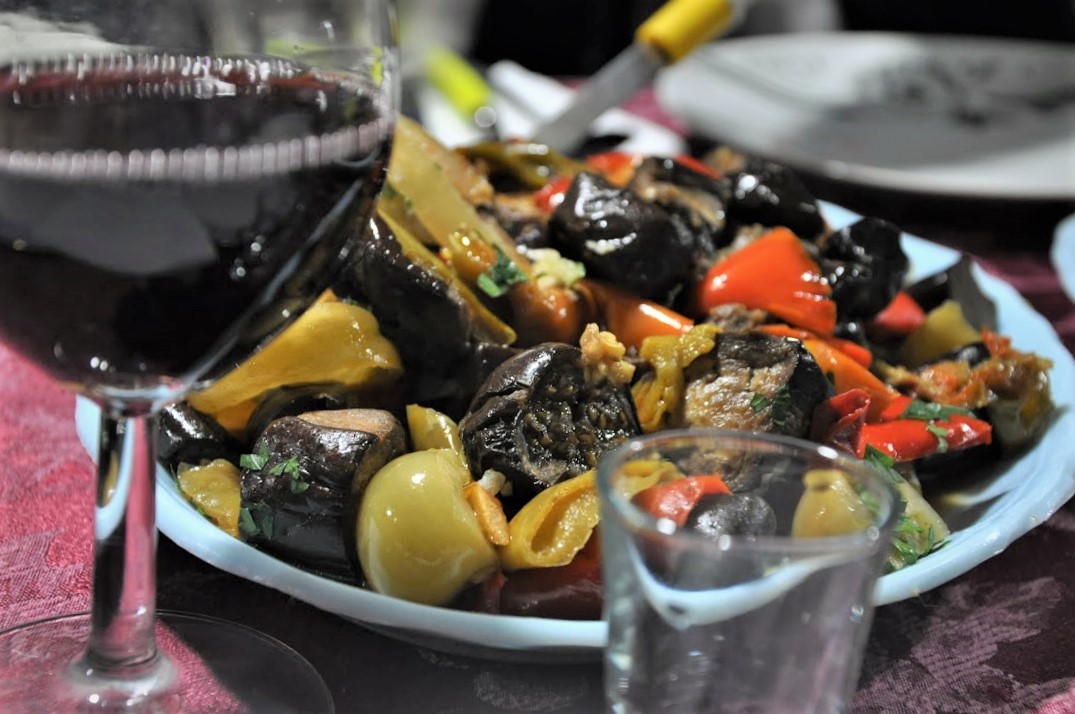
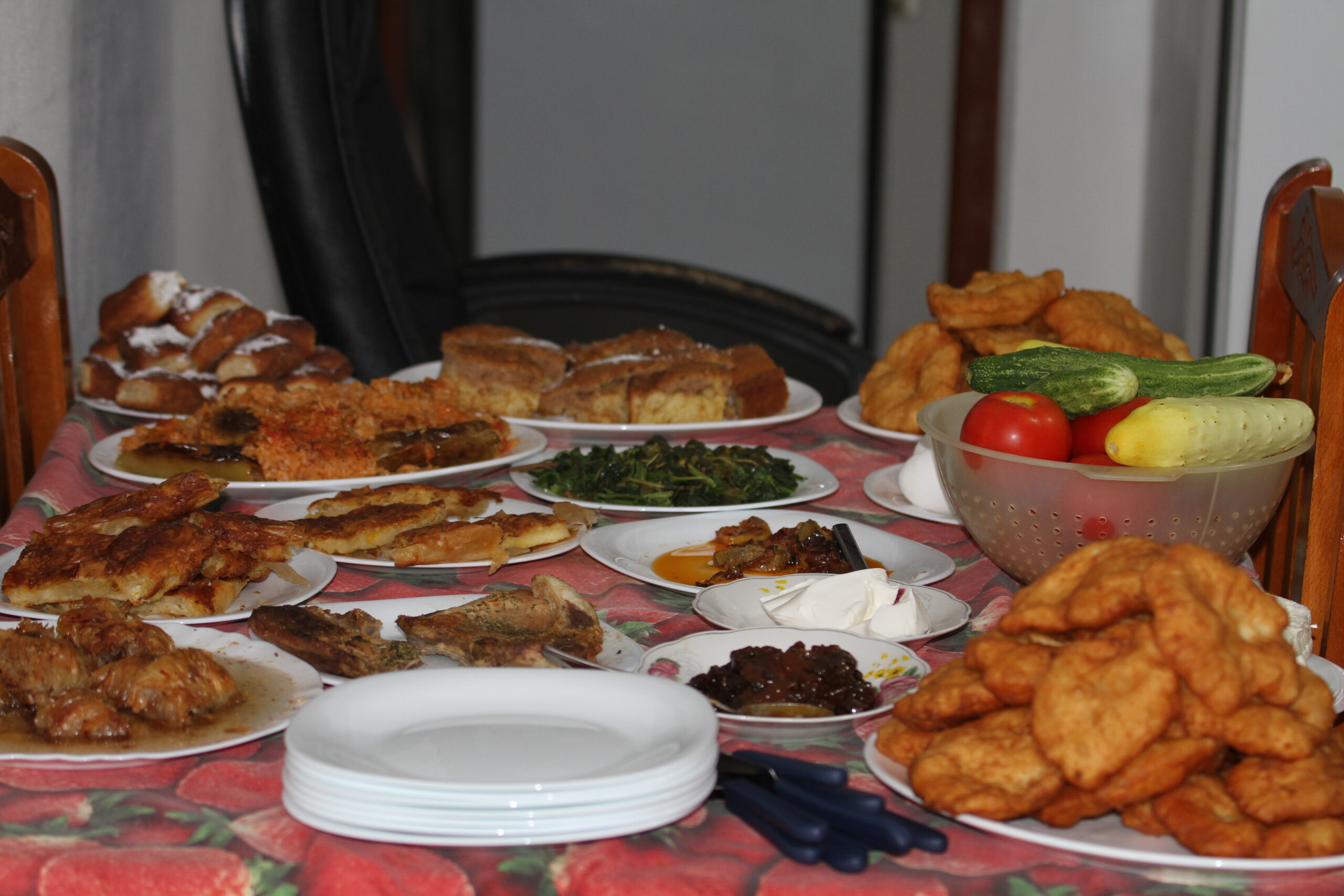
All meals are provided from dinner on the first day to breakfast on the eighth day. Breakfasts are always served at the guesthouse. For two dinners—the welcome dinner on the first day and the farewell dinner on the seventh—we will go to a traditional restaurant in Gjirokastra, while the remaining dinners are served at the guesthouse. Lunches will be taken in local, traditional restaurants that offer dishes typical of the regional cuisine and authentic local flavours.

Riding equipment

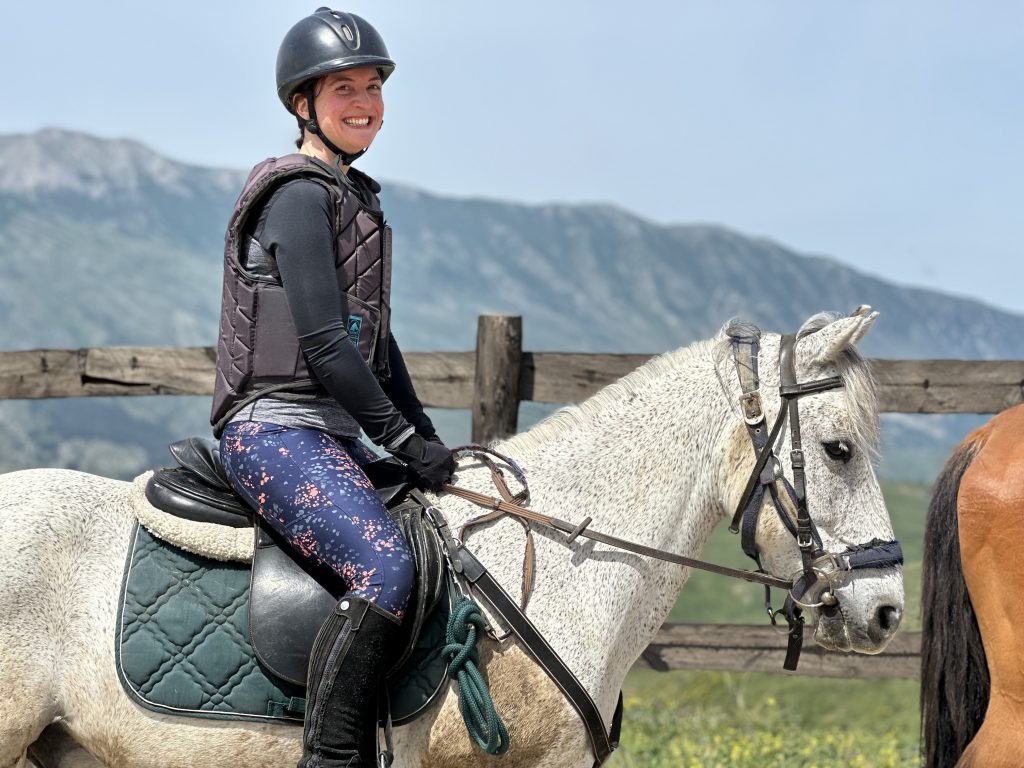
We use good quality English saddles. The saddle is built traditionally, we use a bits. The equipment is pretty much identical to what you will find in good stables all across Europe.

Beginners almost never have ‘professional’ riding equipment. If you have your breeches, chaps, riding boots – good. If you don’t have these, we will advise you on choosing and completing the basic equipment and what clothing and equipment is suitable for such a course.

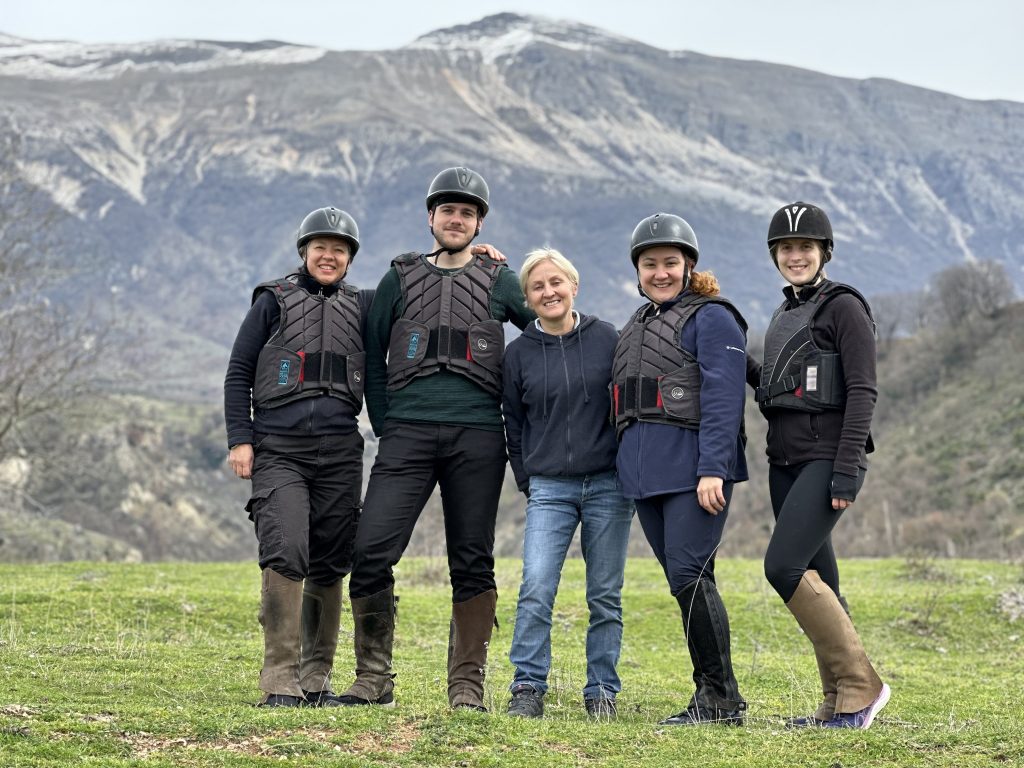
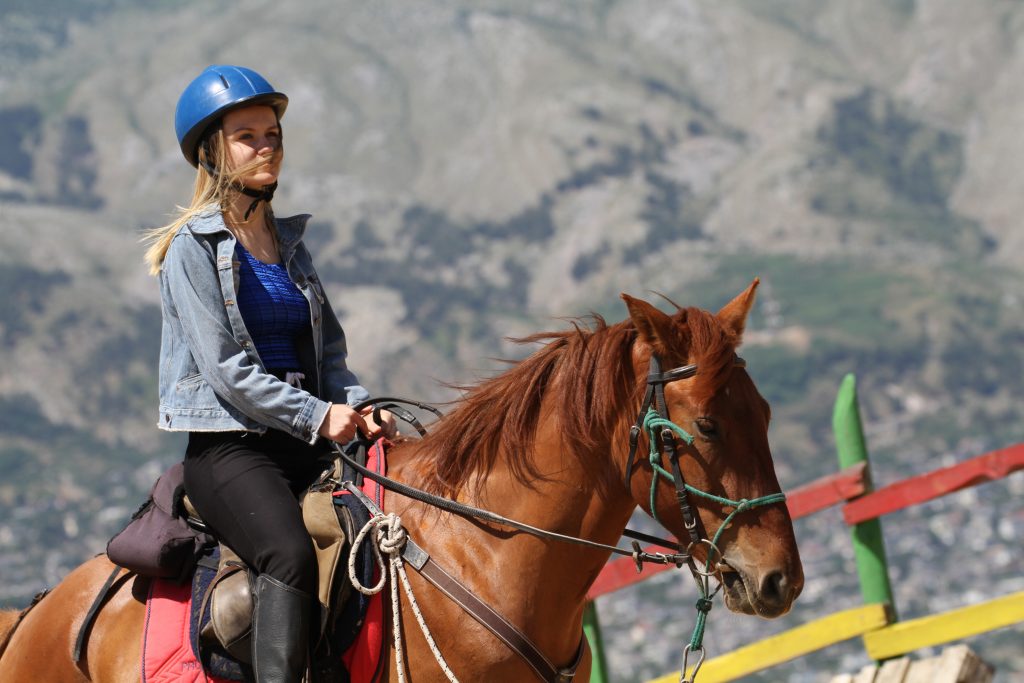
During this course we require using riding helmets. If you don’t have your own – it’ll be provided on the spot. Protective body vests are also provided on the spot.


What should you take to the tour

This course in Albania is a pretty comfortable one. Apart from your own clothes and belongings, you do not need to take anything special.

  • passport / personal ID
  • some cash, Euro is common in Albania
  • electronics – mobile, camera
  • flashlight, headlamps are handy
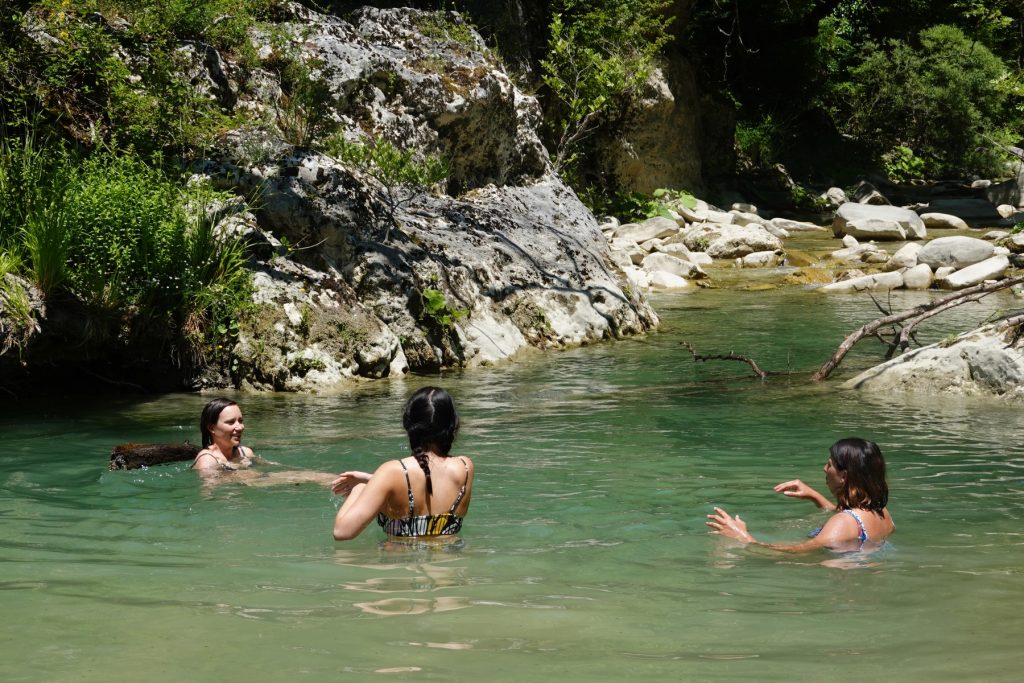
  • a canteen or other water containers (it might be an empty plastic bottle)
  • sunscreen
  • swimsuit
  • insect repellent
  • head cover (against heat and Sun)
  • sunglasses
  • riding clothes (breeches/riding pants, chaps, gloves, etc.,)
  • good trekking / mountain shoes with a grip (not too thick, but flat soles are not the best choice)
  • lightweight raincoat/jacket
  • flip-flops
Date Trip Status Price Spots  
14 February 2026 - 21 February 2026
Available, English-speaking instructors and guides
1190 
6
7 March 2026 - 14 March 2026
Available, English-speaking instructors and guides
1190 
5
4 April 2026 - 11 April 2026
Available, English-speaking instructors and guides
1190 
5
16 May 2026 - 23 May 2026
Available, English-speaking instructors and guides
1190 
6
6 June 2026 - 13 June 2026
Available, English-speaking instructors and guides
1190 
5
4 July 2026 - 11 July 2026
Available, English-speaking instructors and guides
1190 
5
15 August 2026 - 22 August 2026
Available, English-speaking instructors and guides
1190 
6
12 September 2026 - 19 September 2026
Available, English-speaking instructors and guides
1190 
5
3 October 2026 - 10 October 2026
Available, English-speaking instructors and guides
1190 
6
31 October 2026 - 7 November 2026
Available, English-speaking instructors and guides
1190 
6
12 December 2026 - 19 December 2026
Available, English-speaking instructors and guides
1190 
6