twins7

Kakhetian Wine Trail

Georgia

1740 

Georgia is famous for a number of things, with wine being on top of the list, right next to Georgian hospitality and love for hosting guests. Our original trail in the lowlands of Kakheti will take you through a part of the region Georgians consider the cradle of wine. They have a good reason for such claims. Here, right at the foothills of the Greater Caucasus, archeologists have found grape seeds and pottery for making and storing wine that date back 8000 years. Since that time people here have been growing grapevines and making wine. We ride out to visit a number of vineyards and wineries, both larger, more established ones, and small, family-run, known only locally. Brave Tushetian horses, well-supplied Kakhetian wine cellars and rich Georgian cuisine go very well together.

  • Days overall
    10 days
    Days in saddle
    6
  • Group size
    10
    Available
  • Standard
    Georgian hospitality (comfy, overeaten and a bit tipsy)
    Luggage
    no limit kg
    Food
    local cuisine, vegetarian available
  • Skills
    walk, trot, canter

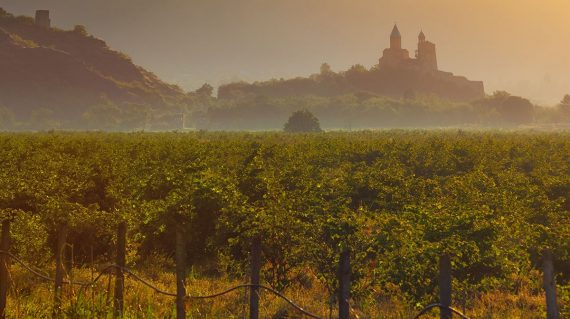
Our original trail runs in the lowland part of Kakheti, a famous winemaking region at the very foothills of the Greater Caucasus mountains. It is arguably one of the first places – if not the oldest one – in the World where wine was ever made. The region is rich in vineyards and wineries, both larger ones that produce on a larger scale and export their products, as well as small, local maranis (Georgian word for winery) whose wine can only be tasted there, on site. During our tour we will ride horses to selected places that serve both great wine and amazing Georgian food.

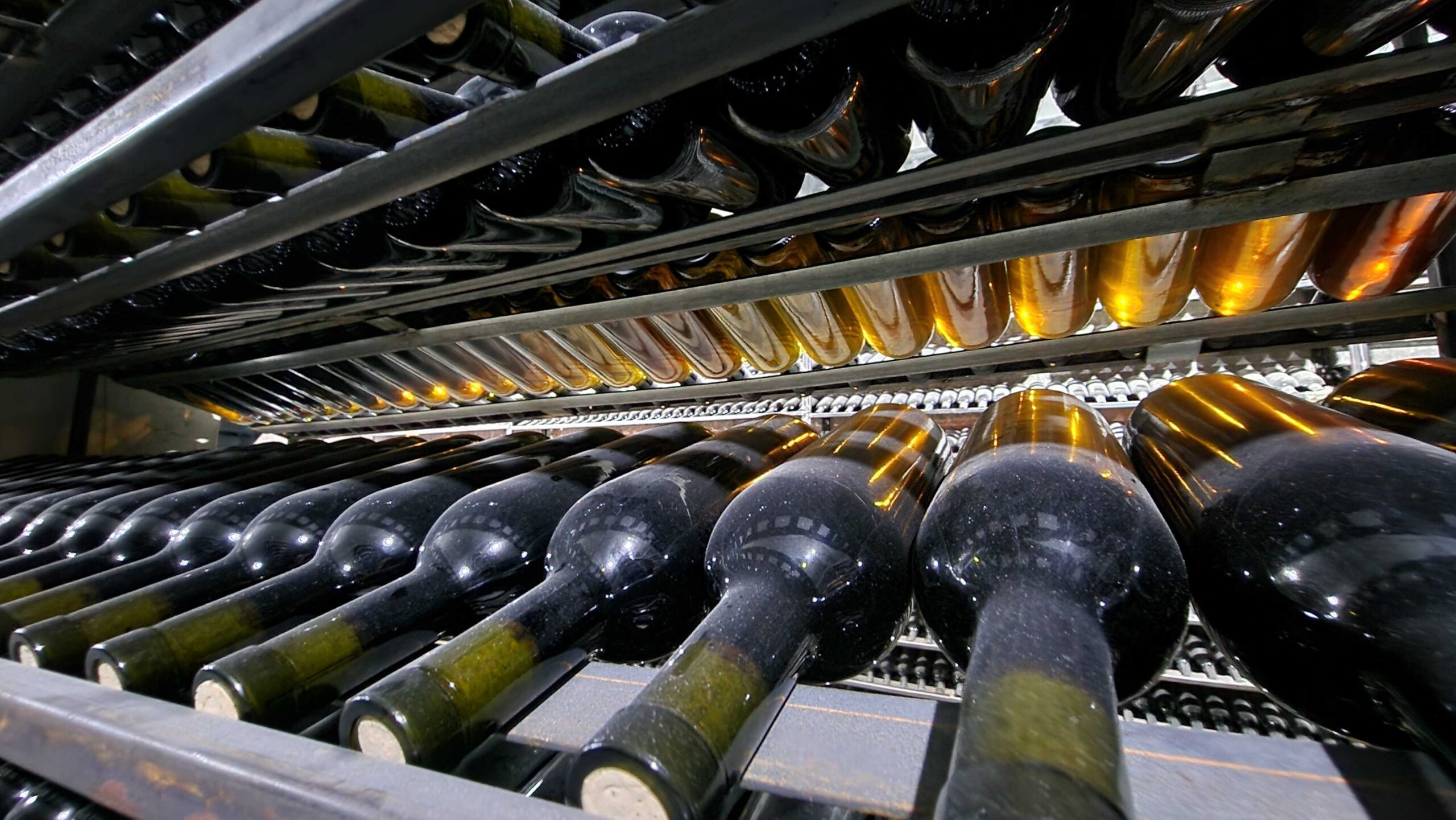
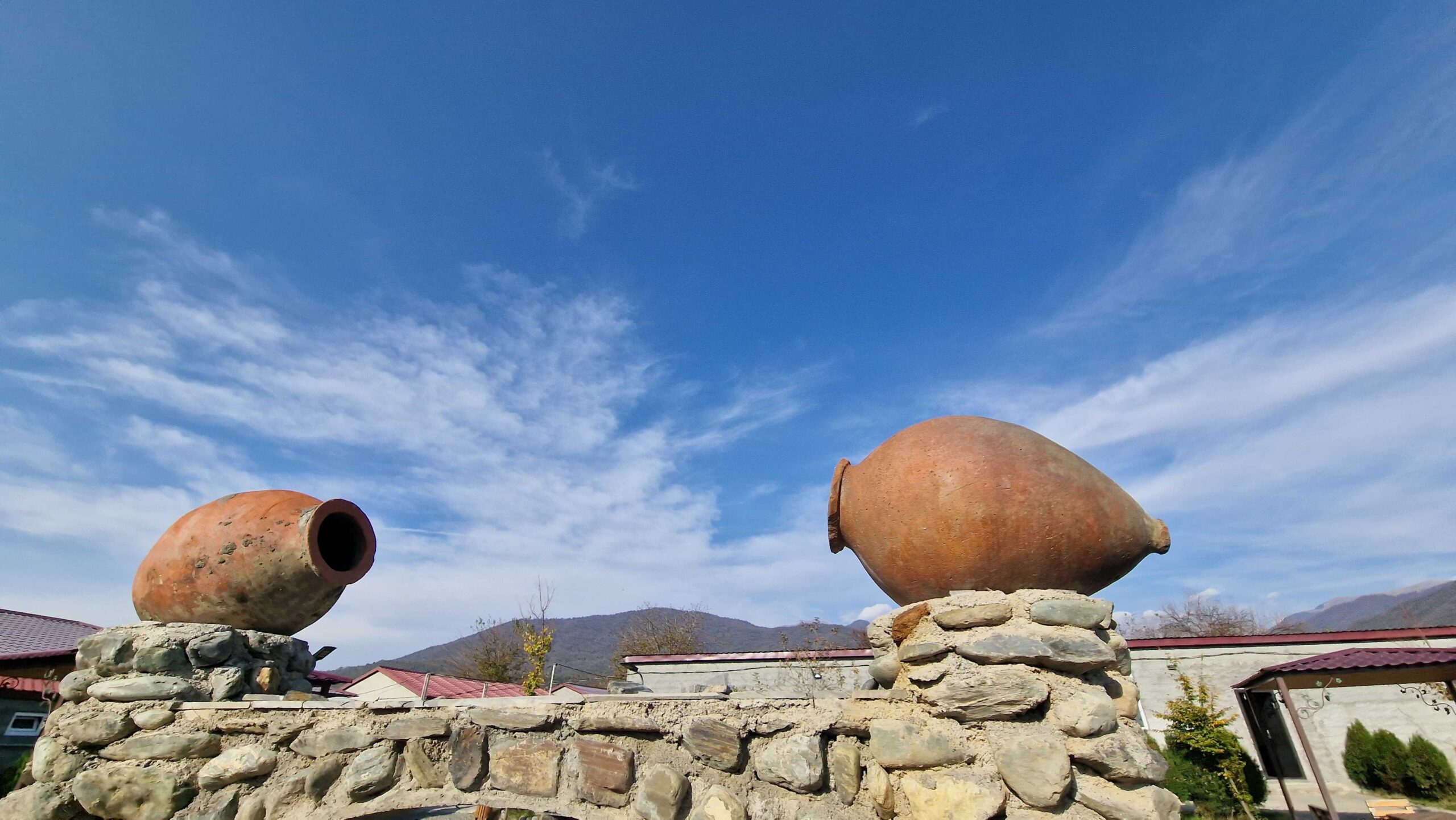
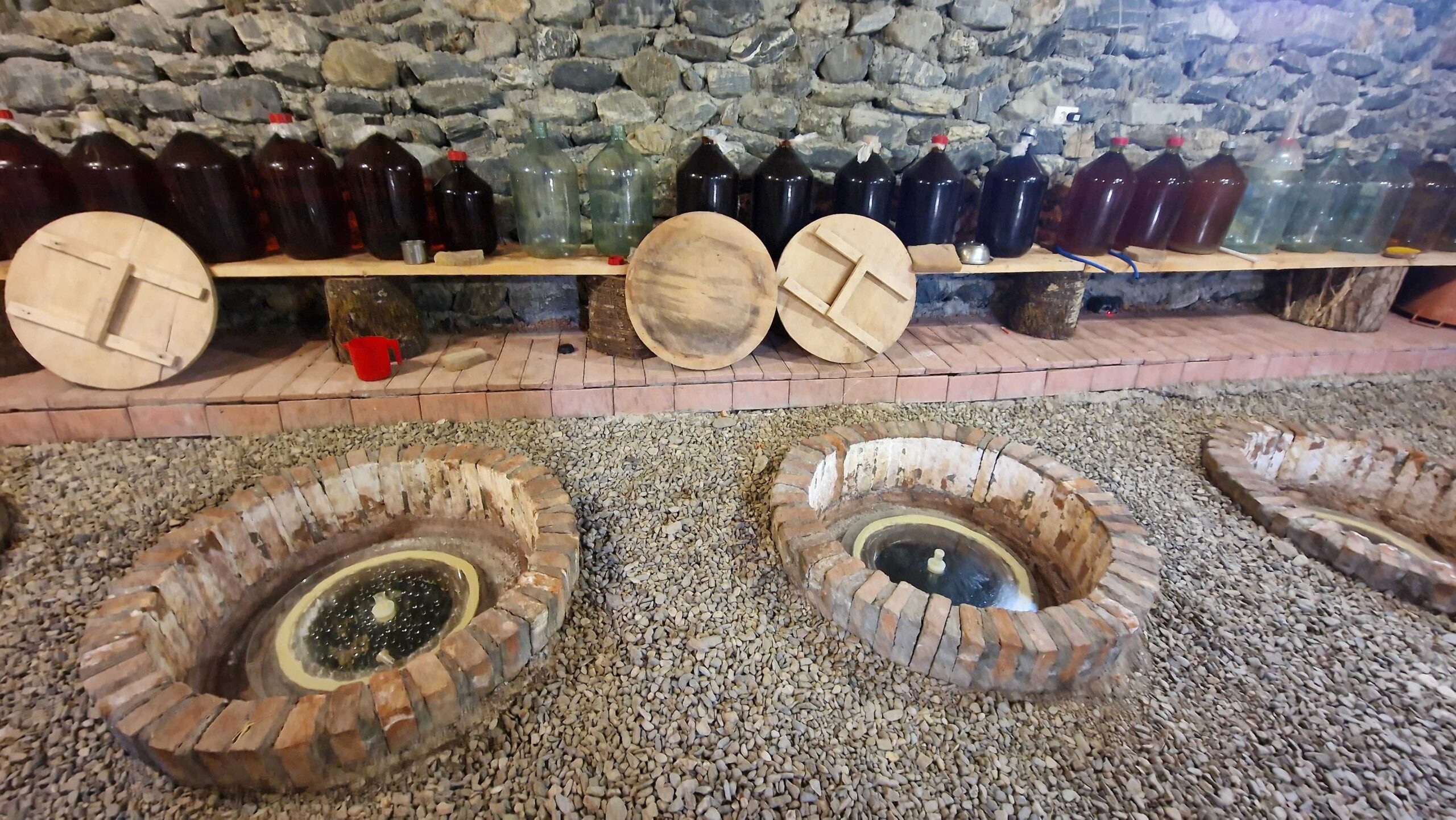
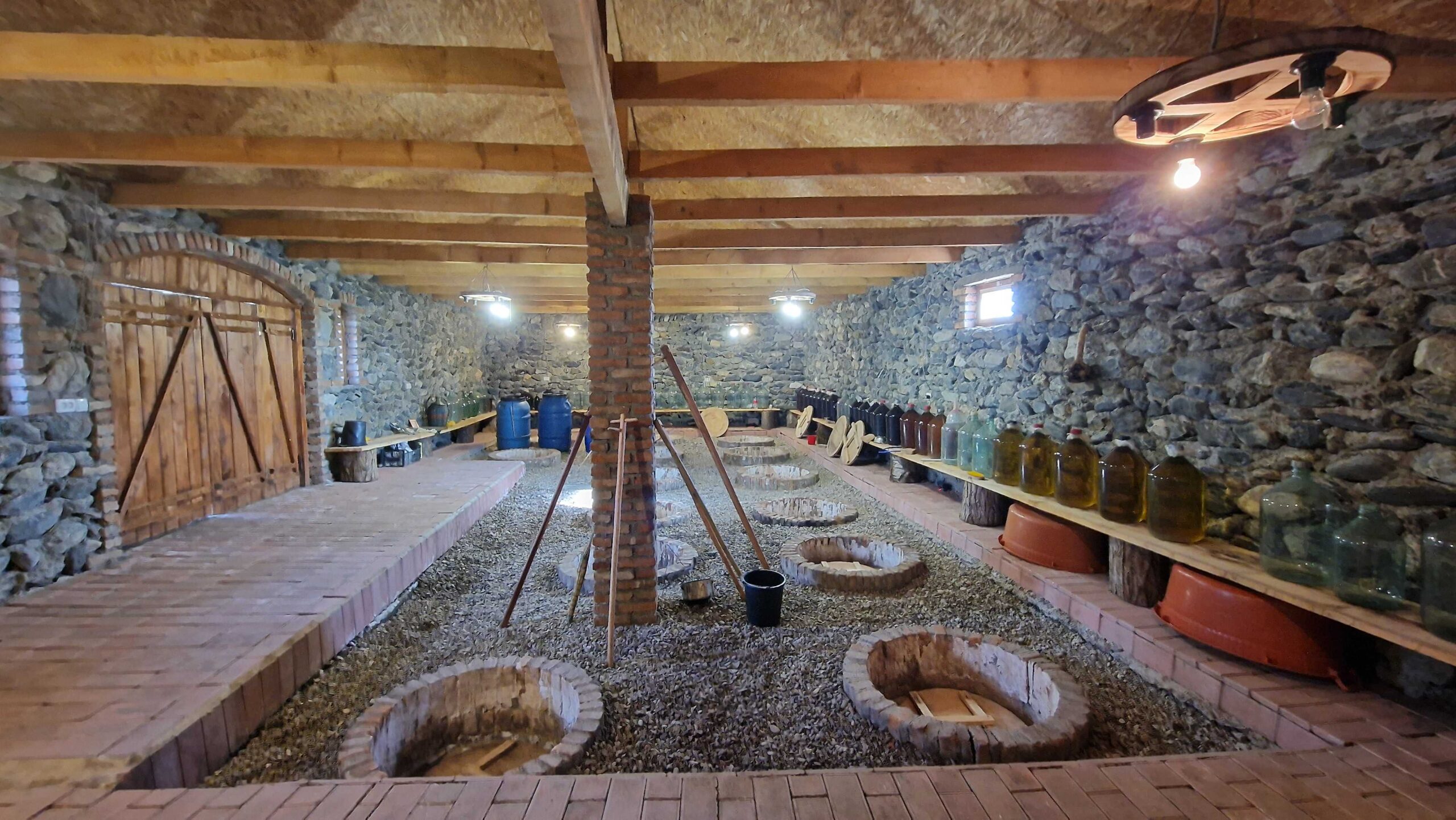
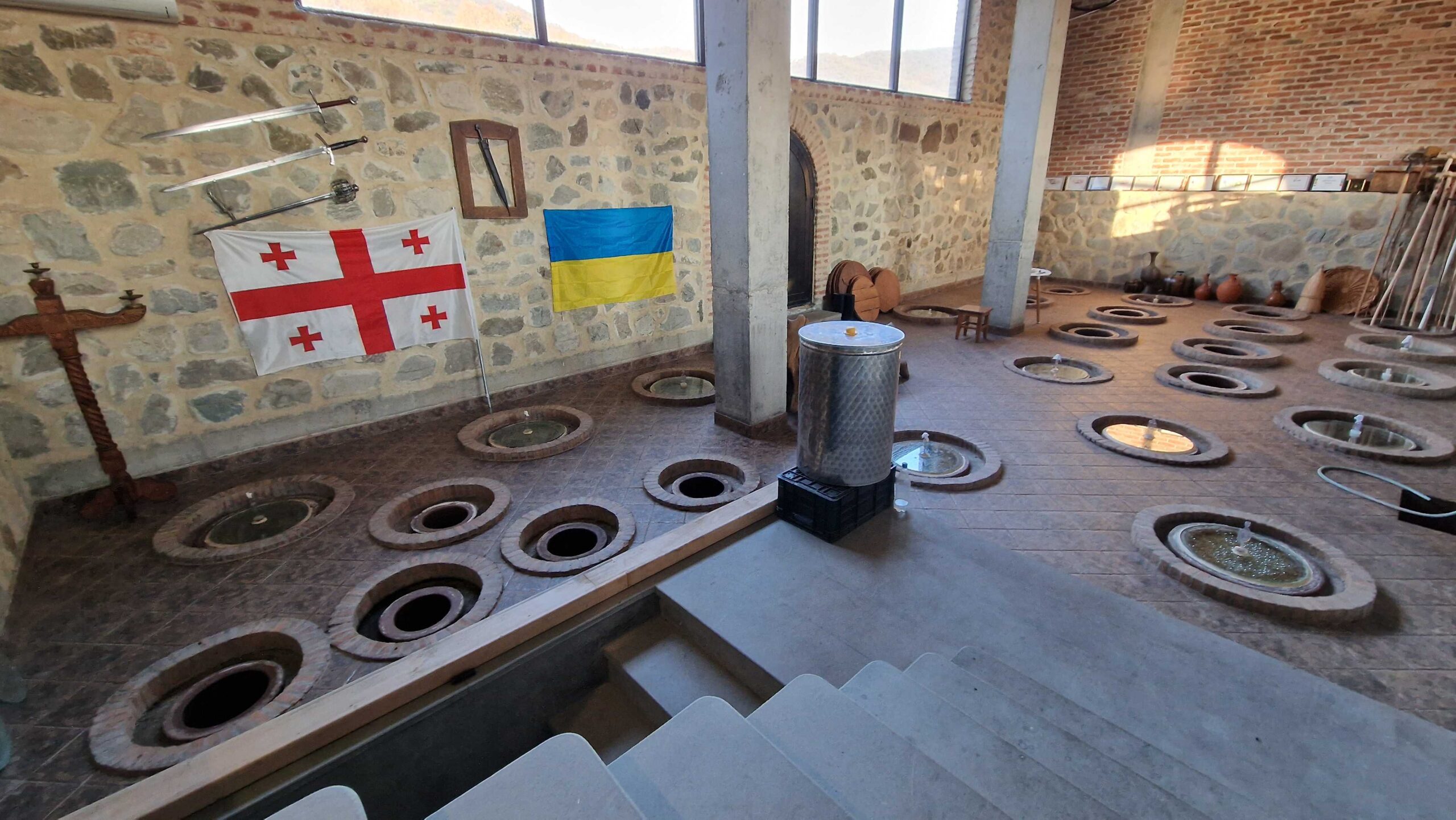
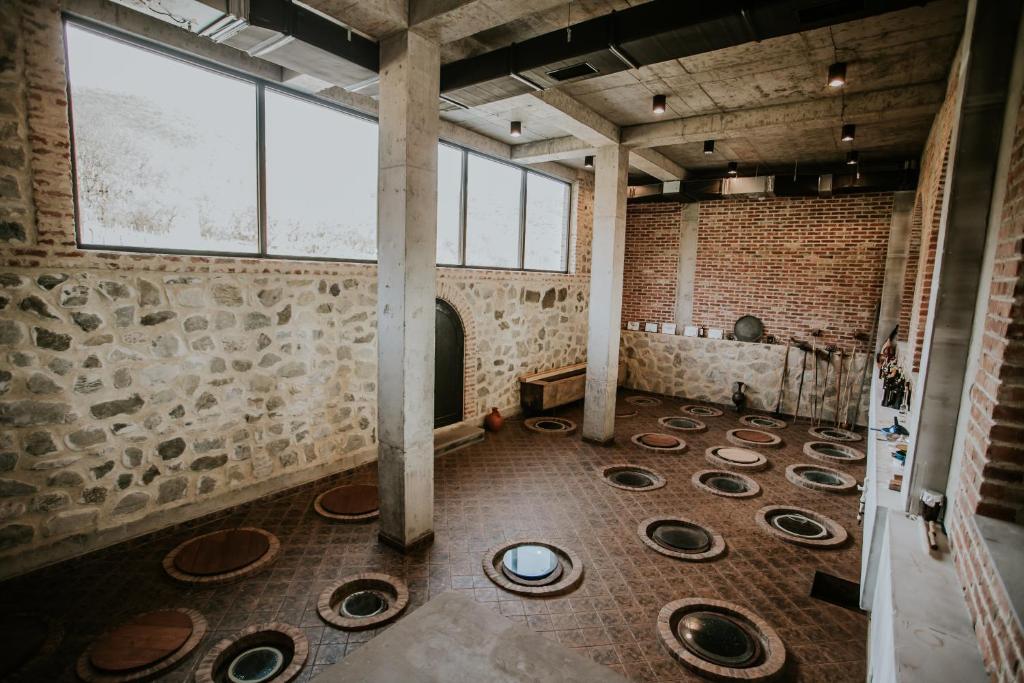
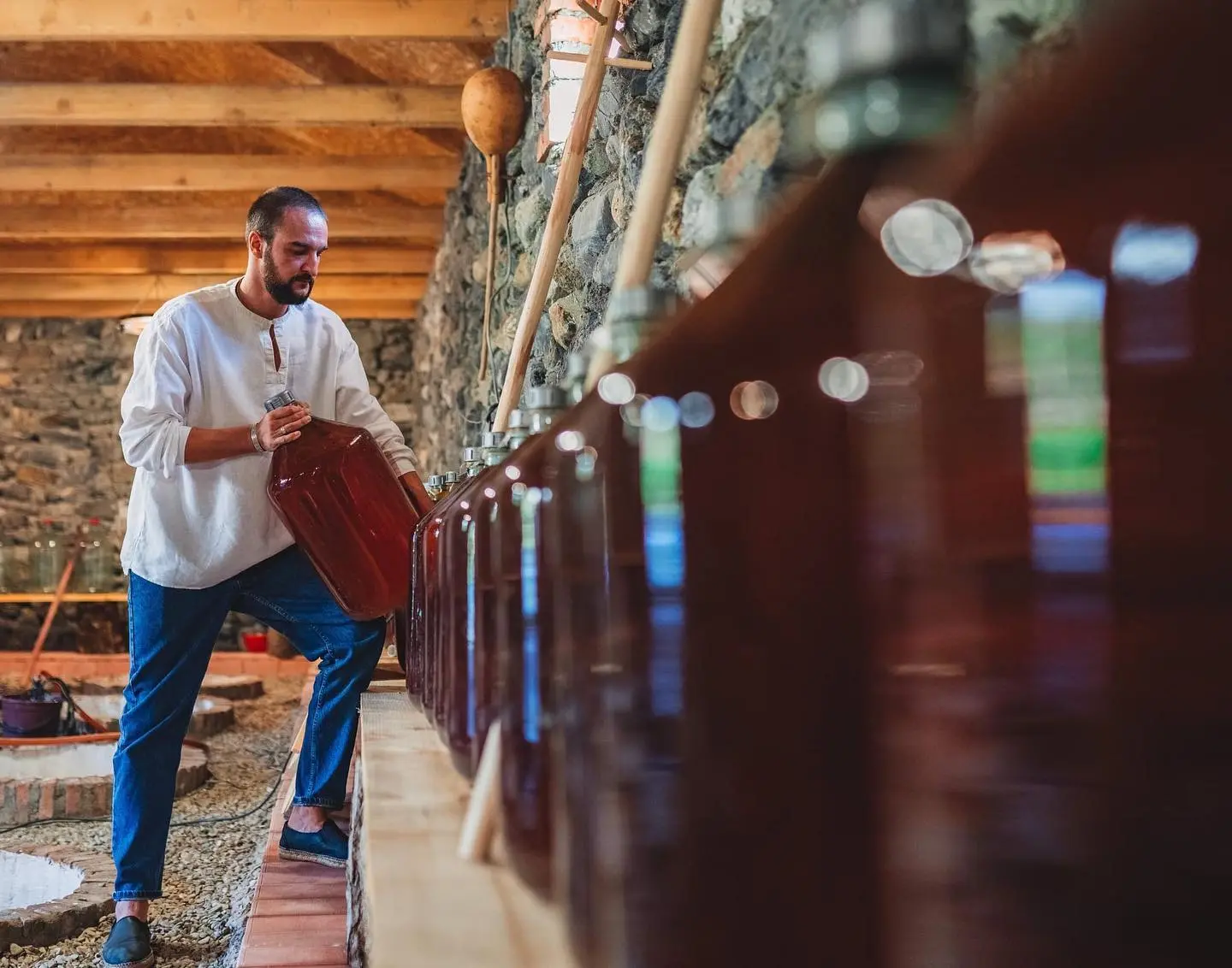
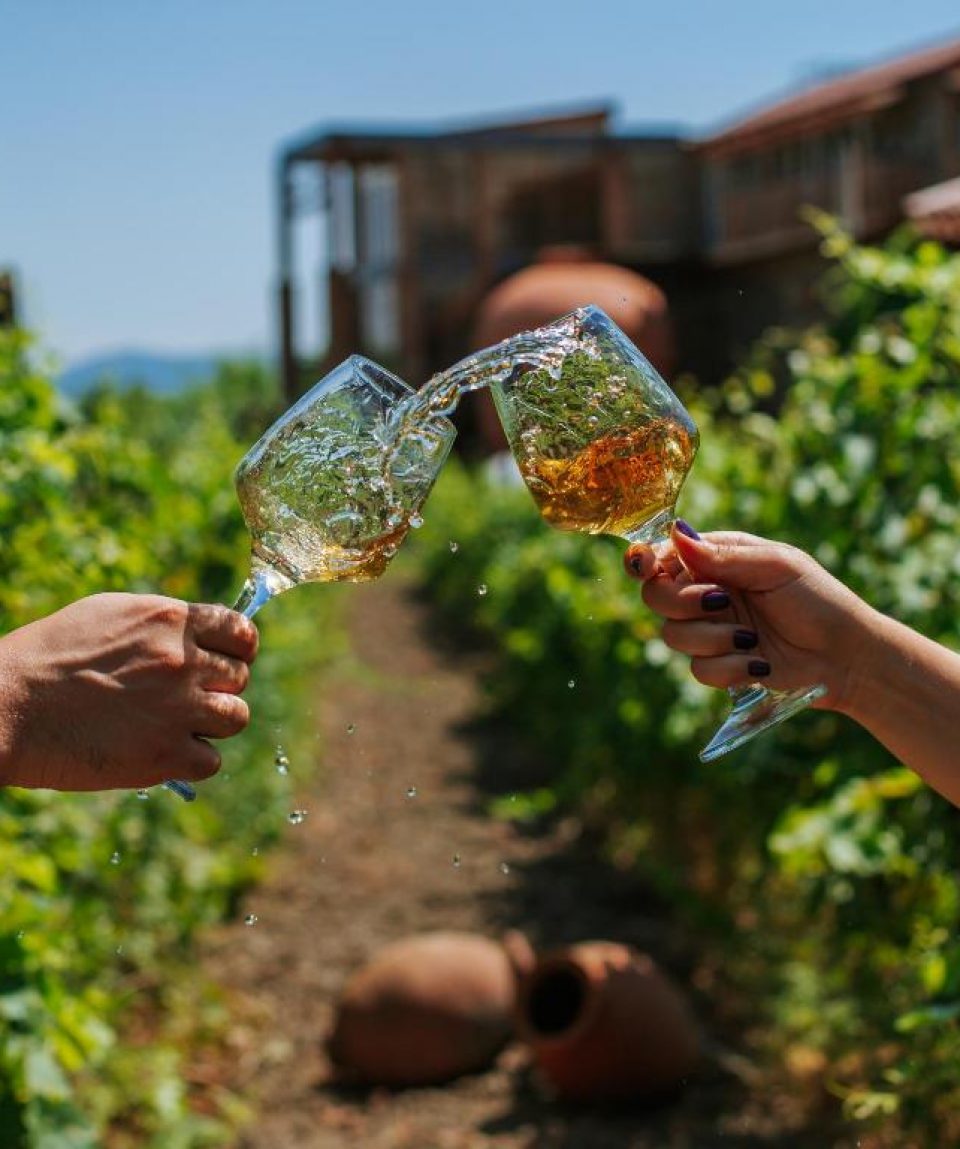
The wineries we will visit make both traditional, Georgian wine, as well as European-style wines. Some of the bigger ones make wine in both modern and traditional ways, others follow only the old, traditional procedure of making wine in qvevris, special clay pots dug into the ground. Apart from tasting wine we will also get to see fields where grapes are grown, cellars where wine is made, fermented, bottled and stored. And then taste it again.

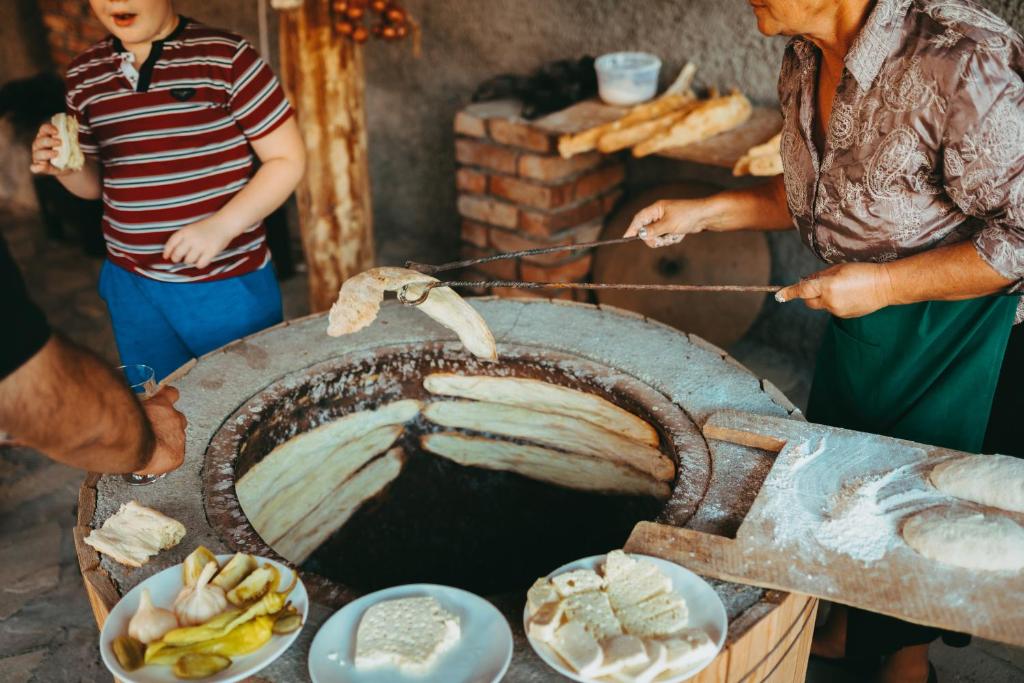
A big part of the tour also focuses on Georgian food. Local cuisine is very distinctive, rich in traditions and very diverse. The Alazani valley, where we ride, is one of the most important winemaking regions of Georgia, but also has it’s own, specific, regional cuisine. During our tour we will taste both local dishes, typical of Kakheti, as well as ones popular all around Georgia and – in some cases – well beyond its borders, as Georgian cuisine becomes more and more popular in many European countries.

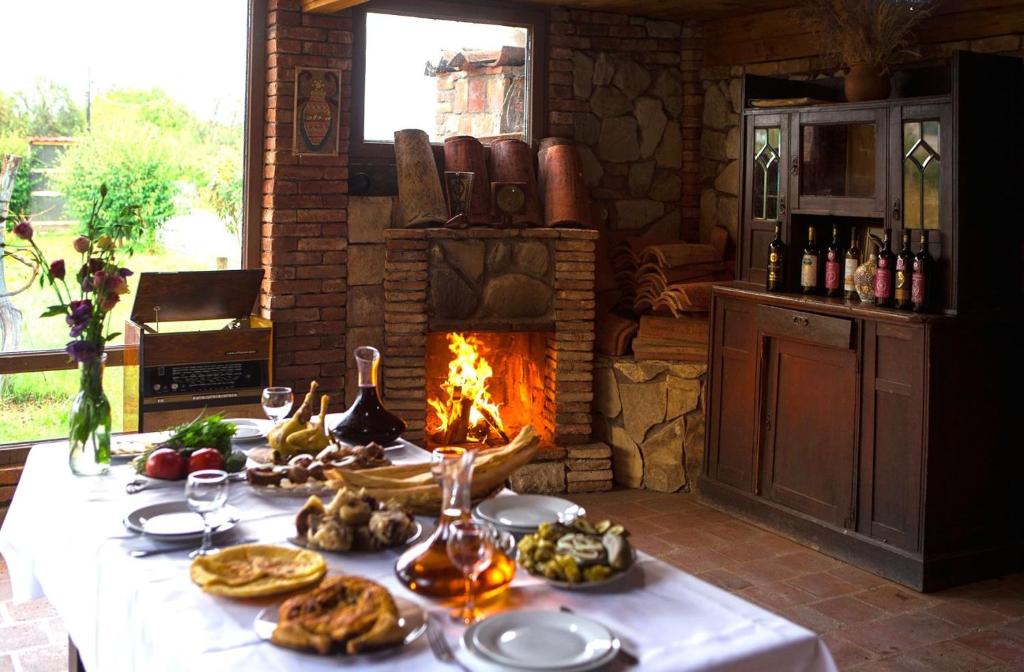
Georgians love eating and drinking, dining together at one table is deeply enrooted in Georgian culture. They do it on every possible occasion and without one, just for the sake of it. If there’s one thing they love more than eating and drinking in their own company, Georgians love doing it with guests. Hosting guests is the single most faviourite thing for Georgians to do. Georgian hospitality is second to none.

Our Georgian team consists of highlanders, from both Tusheti and neighbouring regions, some of them nearly literally raised in the saddle. They spend helf of the year up, in the mountains, and the second half right here, in the lowlands. It’s a realtively small community, where many people know each other, often have family ties or are lifelong friends.

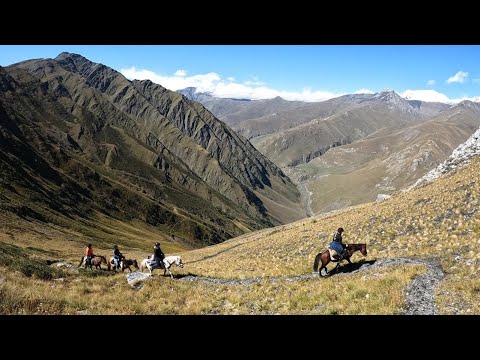
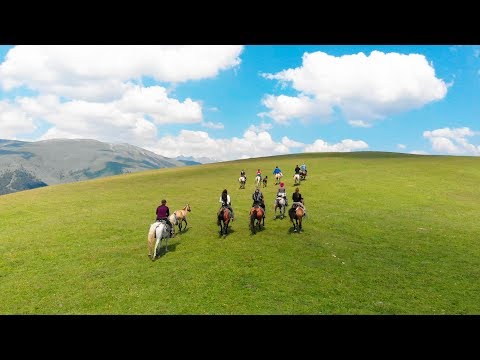
Everyday rides take for to five hours. The lanscape varies, being a bit mountainous (we are at the foothills of the Caucaus, after all), hilly and forested, as well as flat, running through fields and along the Alazani river. We will be riding through both nature, as well as approaching and entering smaller and bigger villages, sometimes even riding right through them. Although there is no heavy traffic in the area, we will also ride along and on some public roads, ride into villages and towns, mixing with regular, local traffic. But worry not, our horses are used to all types of cars and vehicles and – as you will see for yourself – they fear nothing. Horses are common in the area, so are herds of animals that often walk on roads and stop traffic. Many people here can ride horses and love them, as horses are and have been fundamental to Georgians and their ancestors. They respect riders and are happy to see people ride horses. We will be greeted by both drivers and pedestrians on many occasions.

Riders’ weight limit for this ride is 95 kg.

What is included in this tour?Items that are included in the cost of tour price.
  • Horse with full tack and equipment
  • 2 nights at a hotel in Tbilisi
  • 7 nights at wineries, vineyards (in local guesthouses and hotels)
  • Breakfasts in Tbilisi (second and last day)
  • Dinners in Tbilisi (first and last evening)
  • All meals in Kakheti (brakfasts, lunches “to go”, dinners)
  • A variety of wine, liquers, chacha and other drinks along the trail
  • Georgian cuisine and cooking workshops
  • Pools and saunas available in some guethouses/hotels along the trail
  • Transfers from and to Tbilisi airport (on first and last days of the tour)
  • Transfer from and to bus station (for flights to/from Kutaisi, first and last day of the tour)
  • Transport from Tbilisi to Kakheti and back
  • Horsemen and guides during the entire ride in Kakheti
  • English-speaking pilot during the entire tour
  • Luggage car
  • Tourist insurance covering high-risk sports
What is not included in this tour?Items that are not included in the cost of tour price.
  • Flight tickets to and from Georgia
  • Minor personal expenses (souvenirs, additional snacks, admission tickets, etc.)
  • Optional: single room supplement (where available)
  1. Day 1 Arrival to Georgia

    All riders are picked up from the airport (in Tbilisi) or a bus stop in Tbilisi (for flight arrivals to Kutaisi) and taken directly to the hotel. Due to different arrival hours no group activities are planned on that day until evening. Riders are free to roam Tbilisi in their spare time. Around 8 PM we will gather all riders and go together for a welcome dinner in a restaurant.

  2. Day 2 Welcome to Kakheti

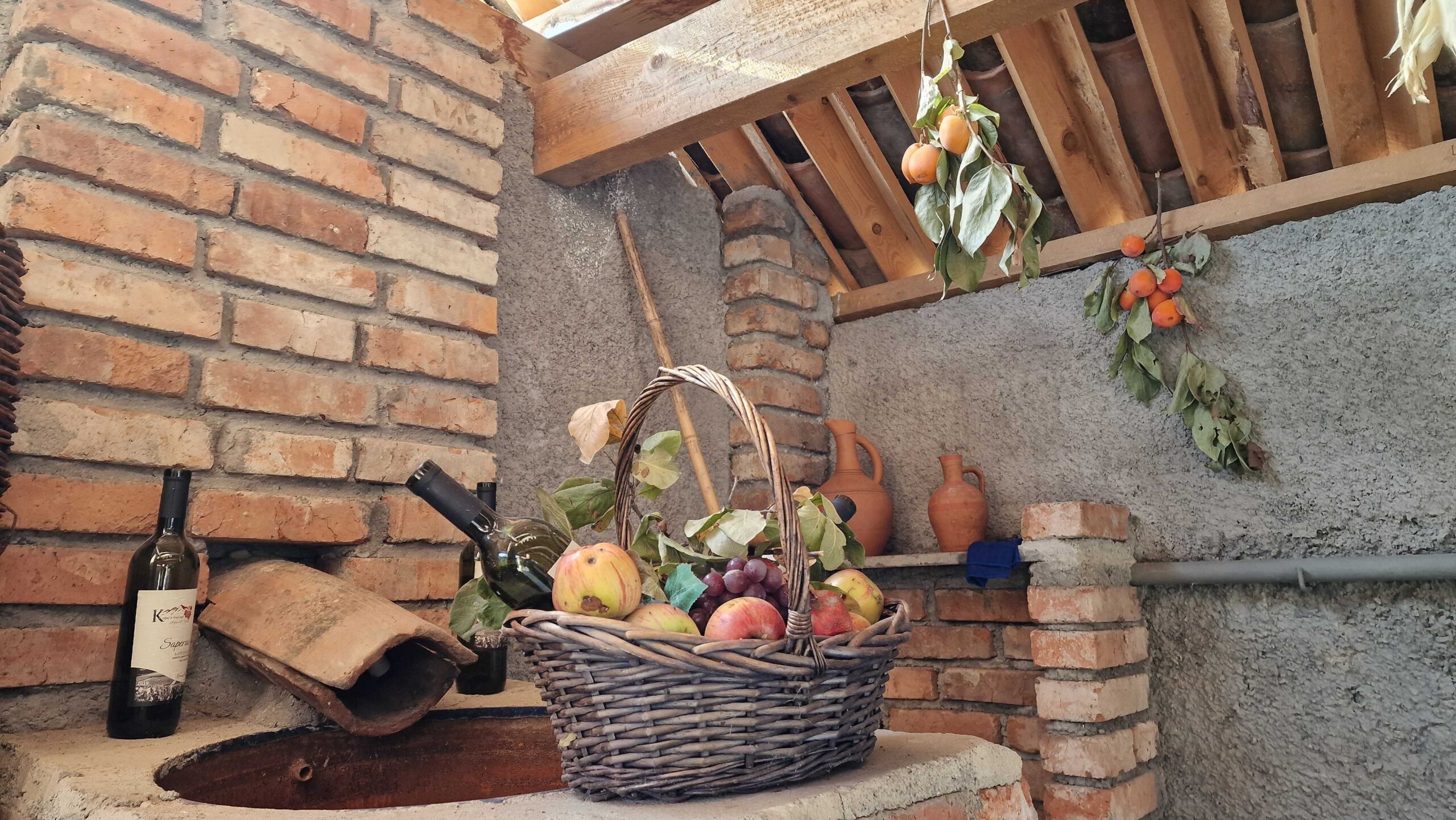
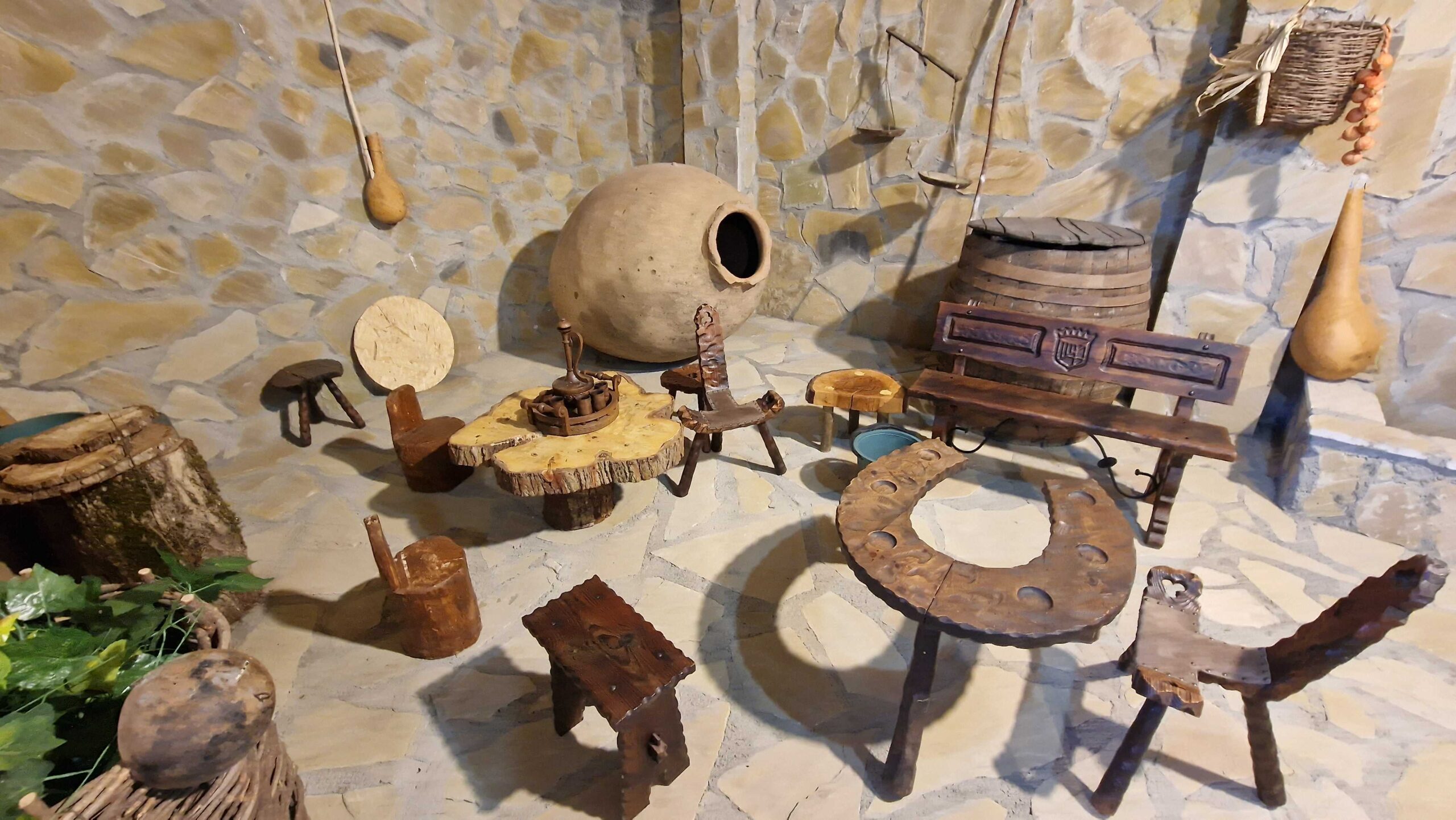
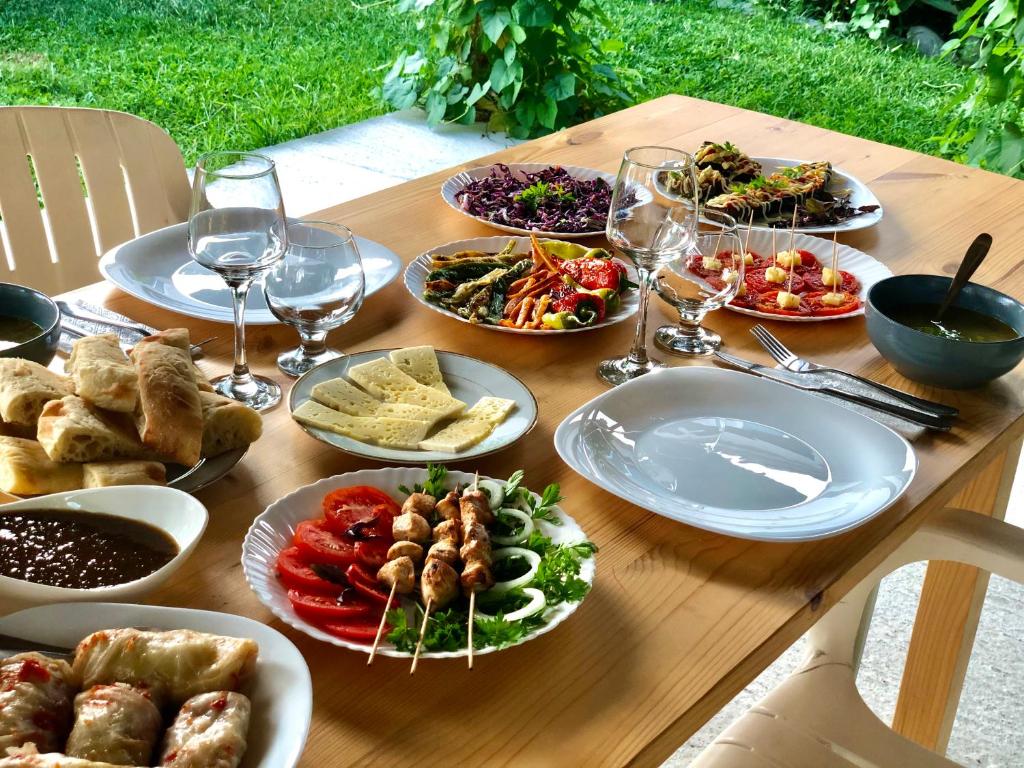
    We’re not in a rush after breakfast as the cars will arrive to pick us up at noon. We leave Tbilisi and head out to Kvemo Alvani, in Kakheti, at the foothills of the Greater Caucasus mountains. The drive will take around 2,5 hours. We will check in a guesthouse and head out, this time still on foot, to visit two small, local wineries. The first one of them, in a small building, decorated with antiques, wine-making tools and pictures of their ancestors, is a relatively new place, established by local winemakers who also make flavoured chacha. We will taste some of their wines and have lunch there. Next we will move to another local winery. Located in an old house, this winery offers both wine and home made liquors that we will taste in a century-old wine basement. Next we will go back to our guesthouse to refresh before a big dinner. We head out to another winery, established by local winemakers who also make flavoured chacha. In a small building, decorated with antiques, wine-making tools and picture of their ancestors, our host will welcome us at traditional, Georgian supra. After the second visit it’s time to head back to our guesthouse. We will have time to refresh before we start our traditional, Georgian supra. Several types of Georgian cheese, coal fried mtsvadi – Georgian shashlik, dried trout, mushrooms, salads and other dishes will be served.

  3. Day 3 Time to ride!

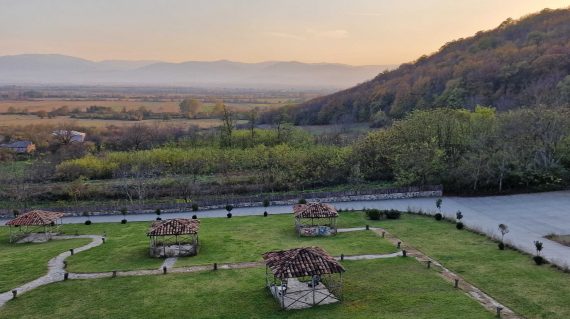
    In the late morning it’s high time to meet the horses. Our guides will match them with riders and off we go, we head ride out to explore Kakheti! First we ride north-east, through fields and meadows, with the Alaverdi Monastery behind our backs and a stunning view to the Greater Caucasus right ahead of us. We will stop for lunch in Argokhi, at a fairly large family winery which produces and exports both traditional Georgian and European style wines that we will, of course, try. We can have a walk around the vineyard and fields surrounding the area before we mount up again. The place we are headed to is located on the other side of the mountain. We will cross it through a forest, located in a small, but important Babaneuri Nature Reserve. Then we will ride down to the village and reach a vineyard, winery and hotel complex we will be staying at that night. There’s a nice yard and terrace there with a view to surrounding fields, Caucasus mountains and Alaverdi monastery. A big dinner and nice selection of wine await us in the evening!

  4. Day 4 Winery and wine museum

    After breakfast, we’ll set off for Napareuli, home to another winery as well as a wine museum. We’ll head east, and our guides will choose between two possible routes depending on the weather. We may ride around the village of Pshaveli, where the famous road to Tusheti begins, either through the forested land to the north or across the flatter southern terrain covered with fields and plantations. If the Stori River is running fairly high, we’ll cross the bridge in Pshaveli and head south from there. Further on, the route will lead partly through open fields, and as we approach Napareuli, we’ll join the road traffic for a short stretch in order to cross the bridge over the Lopota River. Soon afterwards we’ll reach our destination. Once there we’ll unsaddle the horses at the winery, settle into our rooms, and then head off to visit the wine and winemaking museum, which has plenty of interesting exhibits. In the evening, we’ll sit down to dinner and empty our hosts’ wine cellar a bit.

  5. Day 5 The old man and the wine

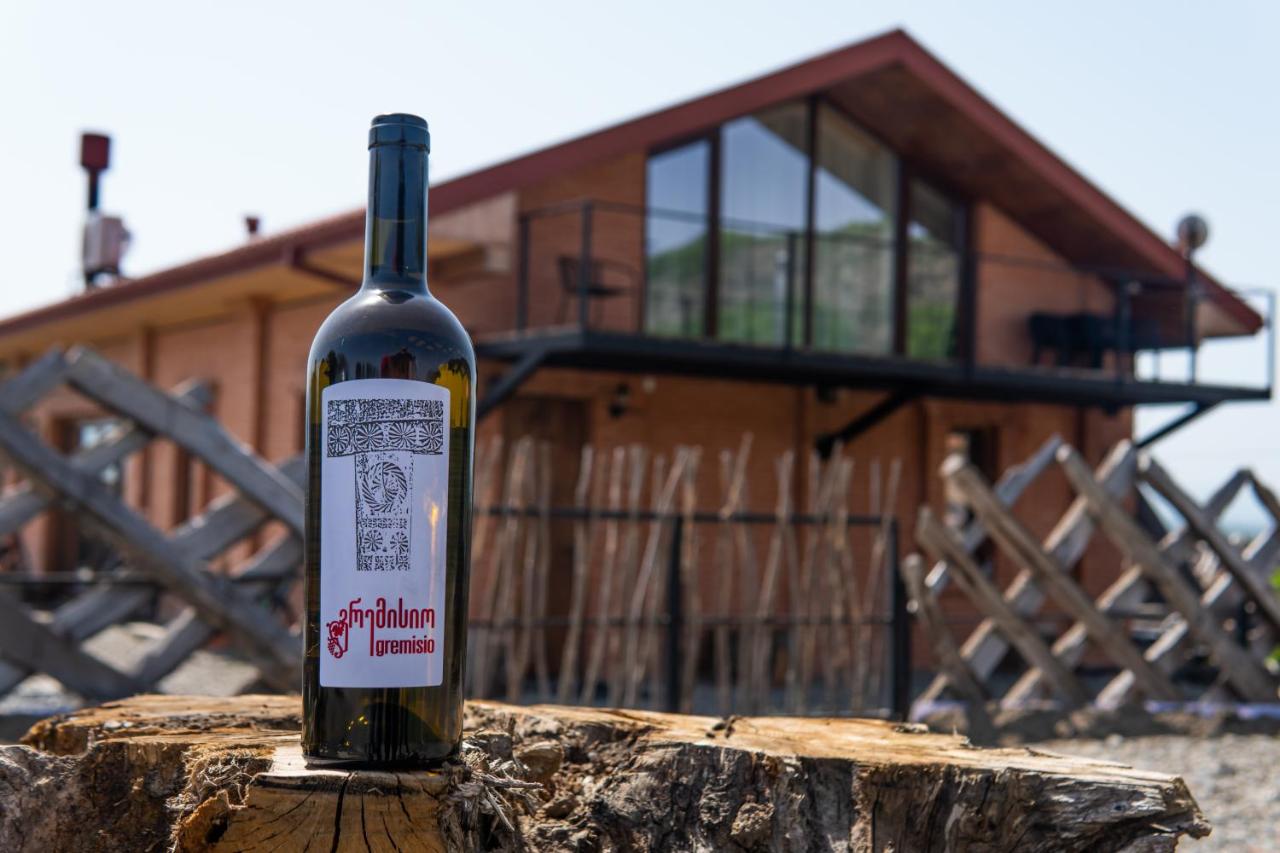
    Once we’re done with breakfast and packing, we’ll saddle up and leave Babaneuri behind. First, we’ll head towards the outskirts of Kvemo Alvani, and then down to the Alazani River. We’ll follow its bank, lined with fields and lightly wooded in places, crossing streams that feed into the river and, in a few spots, riding straight into the current itself. Much of the route is flat and runs through fields and vineyards, so there’ll be plenty of chances to pick up the pace and enjoy some happy canters. At some point, we’ll leave the river behind and rejoin a public road that will lead us towards Gremi, the former capital of Kakheti, and soon after that we’ll reach Eniseli. Waiting for us there is a small, cosy guesthouse with a well-stocked wine cellar and a lovely view of the Gremi Monastery. The owner is an extraordinary, eccentric man with many talents, who loves wine and has elevated the process of making it to the level of a ritual. He’s also a passionate cook – something we’ll have the pleasure of experiencing for ourselves. On top of that, he specialises in medieval Kakhetian architecture, carves wood, and… breeds shepherd dogs. We’ll stay at his winery and guesthouse for two nights, spending them over delicious dinners and long, late night conversations.

  6. Day 6 The Former Capital and the Panorama of Kakheti

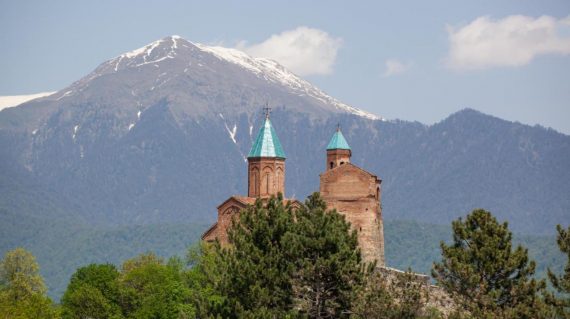
    In the morning, there’s no rush – we can enjoy a lazy breakfast and linger a bit longer over coffee. But the ride won’t do itself, so sooner or later we saddle up and head out. Our first destination is the fortress at Gremi – a historic royal citadel and the 16th-century Church of the Archangels. The complex is what remains of the town’s former glory. Gremi was the capital of the Kingdom of Kakheti in the 16th and 17th centuries. Founded by Levan of Kakheti, it served as a thriving trading town on the Silk Road and as a royal residence. In 1616, it was razed to the ground by Persian forces and never regained its former splendour. By the mid-17th century, the kings of Kakheti had moved their capital to Telavi. From there, we’ll ride uphill towards a small lake and the slopes above it, which offer beautiful views across the whole region. The routes here are slightly mountainous, rocky and wooded, and very charming. In the late afternoon, we’ll return to the winery for dinner, more good wine, and another cheerful evening together.

  7. Day 7 The Outskirts of Telavi

    From Eniseli, we’ll head south through fields and plantations, following the course of the small Instoba River, which flows into the life-giving Alazani. The terrain is flat, and the dirt roads are perfect for picking up a faster pace – which we’ll obviously make the most of. The area is full of vineyards and wineries, and you can tell that at first glance. We’ll cross the river at a ford, though if the water level is relatively high, there’s also a bridge nearby. On the far side of the current, we’ll begin to draw closer to Telavi, the capital of Kakheti. There, surrounded by vineyards, a charming agritourism place awaits us, with comfortable accommodation, a generously laid table, an evening on the veranda, and yet more interesting wines.

  8. Day 8 Alazani and Alvani

    After breakfast, we’ll saddle our horses for the last time. We’ll head towards the southern bank of the river, through the village of Gulgula. From there, the route continues through more wide stretches of land planted with vines. In the afternoon, we’ll reach Alaverdi, right beside the impressive monastery that can be seen from far away – one of the most important and tallest religious buildings in Georgia. We’ll have lunch in a restaurant right next to the monastery, and then climb back into the saddle one last time. From Alaverdi, it’s really not far at all. In the late afternoon, we’ll return to Alvani, where our adventure began – and where it now comes to an end. It’s time to thank our horses for their wonderful work and say goodbye to them – they’ve more than earned a rest out in the pasture. We’ll check into the guesthouse we already know, and in the evening we’ll sit down for our final dinner in Kakheti.

  9. Day 9 Return to Tbilisi

    In the morning we will enjoy our last breakfast in Kakheti. But before we drive back to Tbilisi we still have time for a bit of sightseeing in the area: visiting the Alaverdi Monastery and walking around the town of Telavi. In the afternoon we will go to Tbilisi. We will check in the same family hotel, refresh and in the evening we will have our last, farewell dinner together in a restaurant in the city center.

  10. Day 10 Farewell to Georgia

    The group leaves Georgia. All riders are taken to the airport in Tbilisi or to a bus stop (Kutaisi airport flights).

The guide might modify the route according to weather conditions and group's riding skills.
Gremisio2
twins4
20231113_165031_1

In Tbilisi, the group stays at a small, European standard family hotel. Breakfasts are served at the hotel (on the second and the last day) and we go for two dinners, on the first and last evening, to one of the restaurants in the city center.

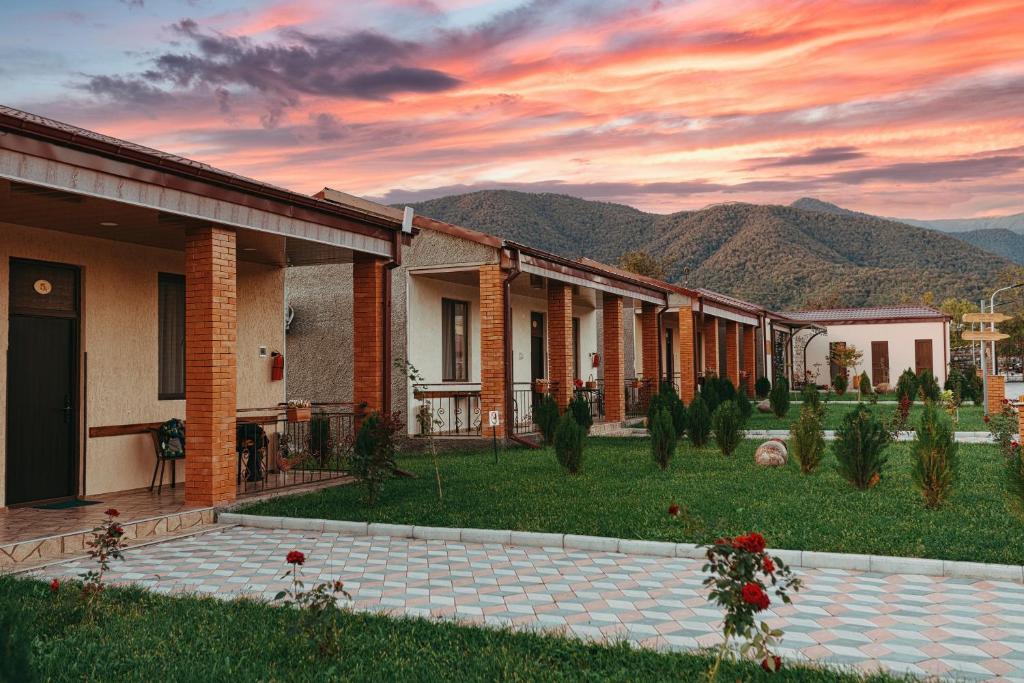
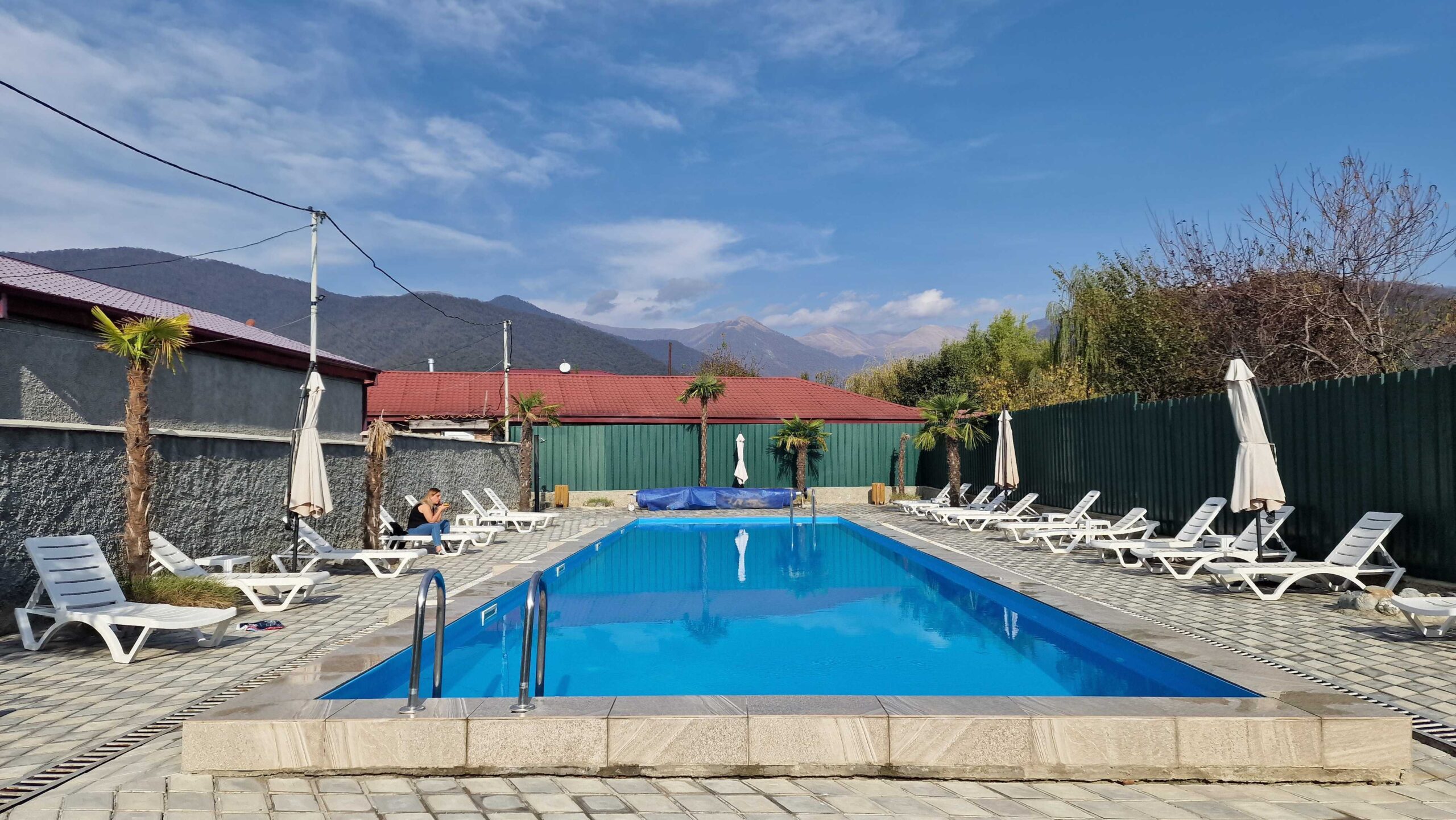
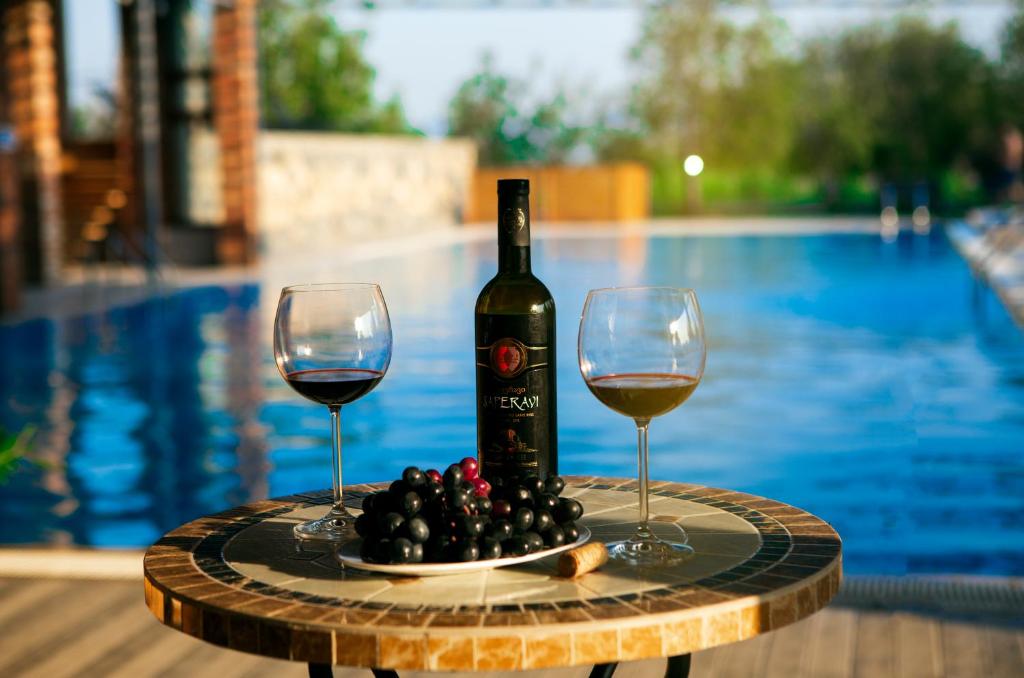
While in Kakheti, we’ll spend our evenings and nights at wineries and vineyards, staying in guesthouses, comfortable rooms, cottages, or family-run hotels. Because we’ve planned the route to pass through a variety of places, their size and standard differ, but all of them are cosy and comfortable – and in some of them, weather permitting, we’ll also have a swimming pool at our disposal.

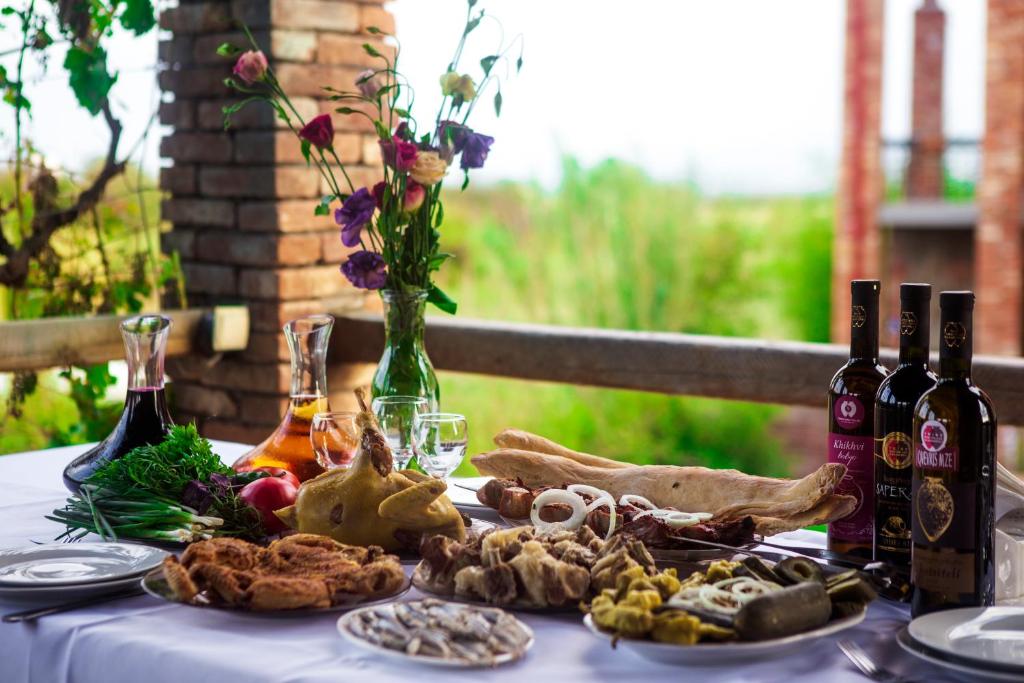
During the trip, we’ll enjoy Georgian cuisine and wine in all their glory. If names like khinkali, khachapuri, lobio, mtsvadi, chakapuli, kharcho, or shkmeruli don’t sound familiar yet, by the end of the ride you’ll know them very well – and they’ll be a very pleasant melody to your ears. Riders who already know Georgian food and drinks will get to enjoy old favourites and discover plenty of new ones too.

You’ll also have the chance to get hands-on with making some Georgian dishes yourselves. In one place we’ll bake Georgian bread, in another we’ll make khinkali, and elsewhere we’ll prepare some of the meals together with our host.

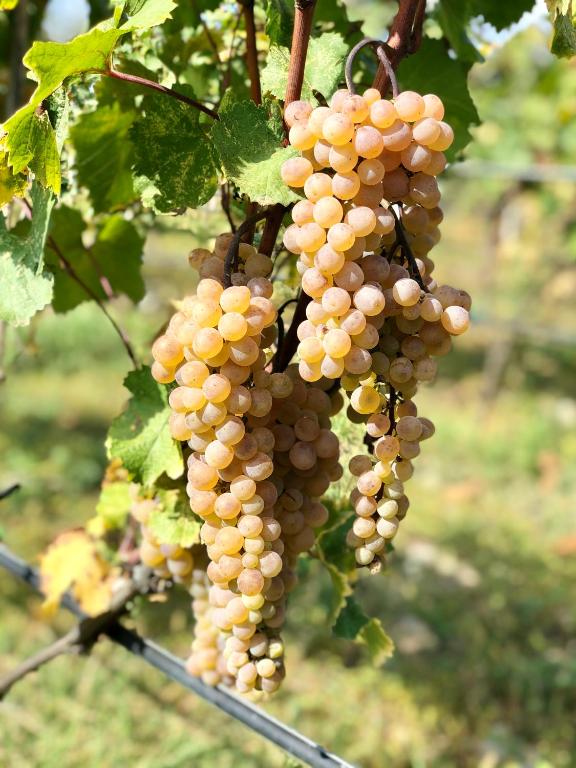
Our ride revolves around wine, so we won’t just taste a wide range of it (along with other drinks), but also get to know the process of making Georgian wine, which differs from traditional European methods. Our hosts will show us around their vineyards and wineries, tell us a bit about their wines, grape varieties and their history, and the character of their vintage – all the while enthusiastically encouraging us to keep tasting.


Equipment

We use typical Caucasian saddles. They are quite different from the English and Western-style saddles and very comfortable for both horses and riders, especially for high mountain riding. Steel saddle bows are set on wooden benches. This construction is covered with a moderately soft “pillow” made of leather. The pillow is kept in its place by a strap, usually made of leather, which serves as a girth part at the same time. Tail docks are common.

Stirrup leathers in Georgia are quite short – Georgians practice a distinctive seat: legs in the front, knees high. Stirrups are quite simple and wide, allowing trekking shoes to fit inside well. Bridles are also simple, made the usual way. We use bits.

Caucasian / Georgian moutain saddles often raise interest, as they are different than classical, English or Western-style ones. Fairly unknown in the West these saddles are very comfortable for long and steep rides. Pommels and cantles are quite high to stabilize riders in mountainous terrain and the pillow seat absorbs bumps very well. This non-standard construction is also quite practical when it comes to attaching larger quantities of luggage.


What you should take with you

The trail in Kakheti runs at the foothils of the Caucasus mountains, in the lowlands and hilly areas.
[TODO]

  • passport
  • cash, USD or EUR
  • electronic devices, e.g. camera
  • a handy backpack or hip bag (for documents, phone, etc.)
  • a canteen or other water containers (it might be an empty plastic bottle)
  • flashlight; head flashlights are quite handy
  • sunscreen
  • hat or cap
  • riding / jodhpur boots, trekking shoes are also great
  • raincoat / waterproof jacket
  • swimsuit – for sauna and swimming pool
  • flip-flops for showering
Date Trip Status Price Spots  
5 November 2026 - 14 November 2026
Available, English-speaking guide/pilot
1740 
8