fot. Mewa bez kliszy

The Reindeer Trail

Mongolia

3000 

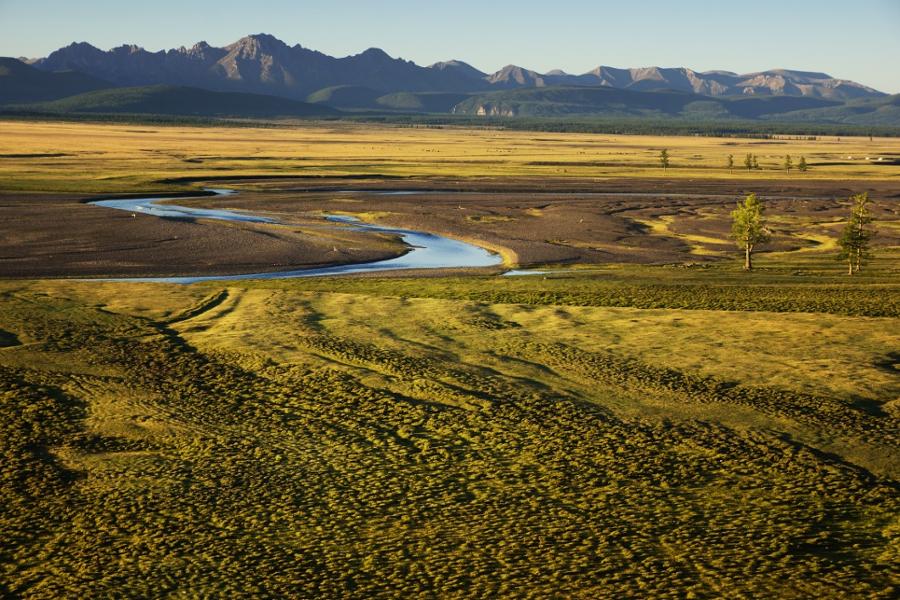
Behold the gates of Siberia! We’re heading to the most remote, northern part of Mongolia. Here, the steppe is losing its eternal battle with the wild taiga. The sun reflects off the surface of Lake Khövsgöl, Baikal’s twin brother. And even further on, in a hardly accesible wilderness, a nomadic tribe of reindeer herders awaits us… along with their shamans. More than 300 kilometres in the saddle lie ahead. Ready? This ride will change you.

  • Days overall
    15 days
    Days in saddle
    9 days
  • Group size
    12
    Available
  • Standard
    nomadic ride - tents, gers and shacs
    Luggage
    recommended 15 kg, larger luggage at an additional cost kg
    Food
    local cuisine, very limited vegetarian dishes
  • Skills
    walk, trot, canter, previous trail riding experience

The Reindeer Trail in northern Mongolia is a truly special expedition. When we first came up with it a couple of years ago it took us 18 months to design and prepare it, making this ride a fully original programme. It’s quite a ride: over 9 days in the saddle, we’ll cover more than 300 kilometres.

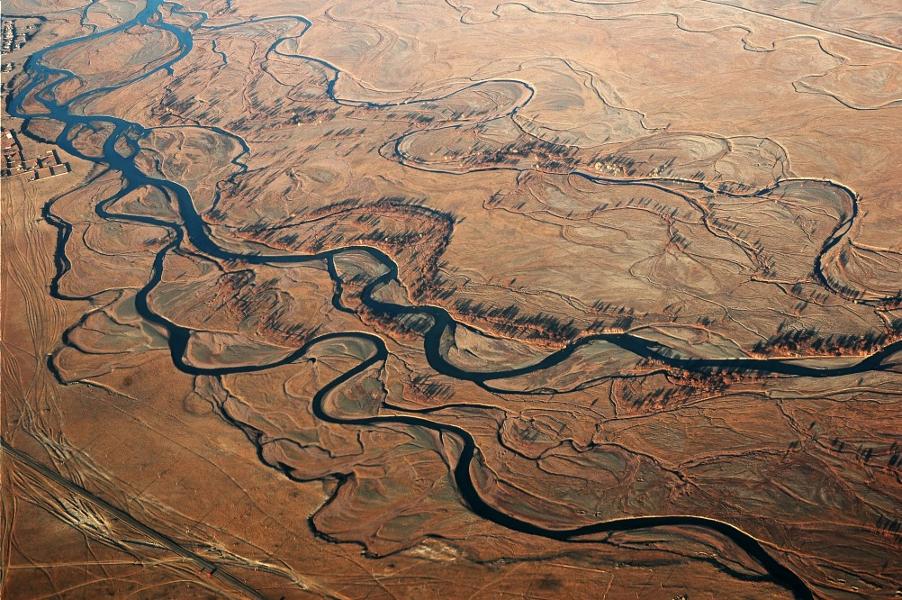
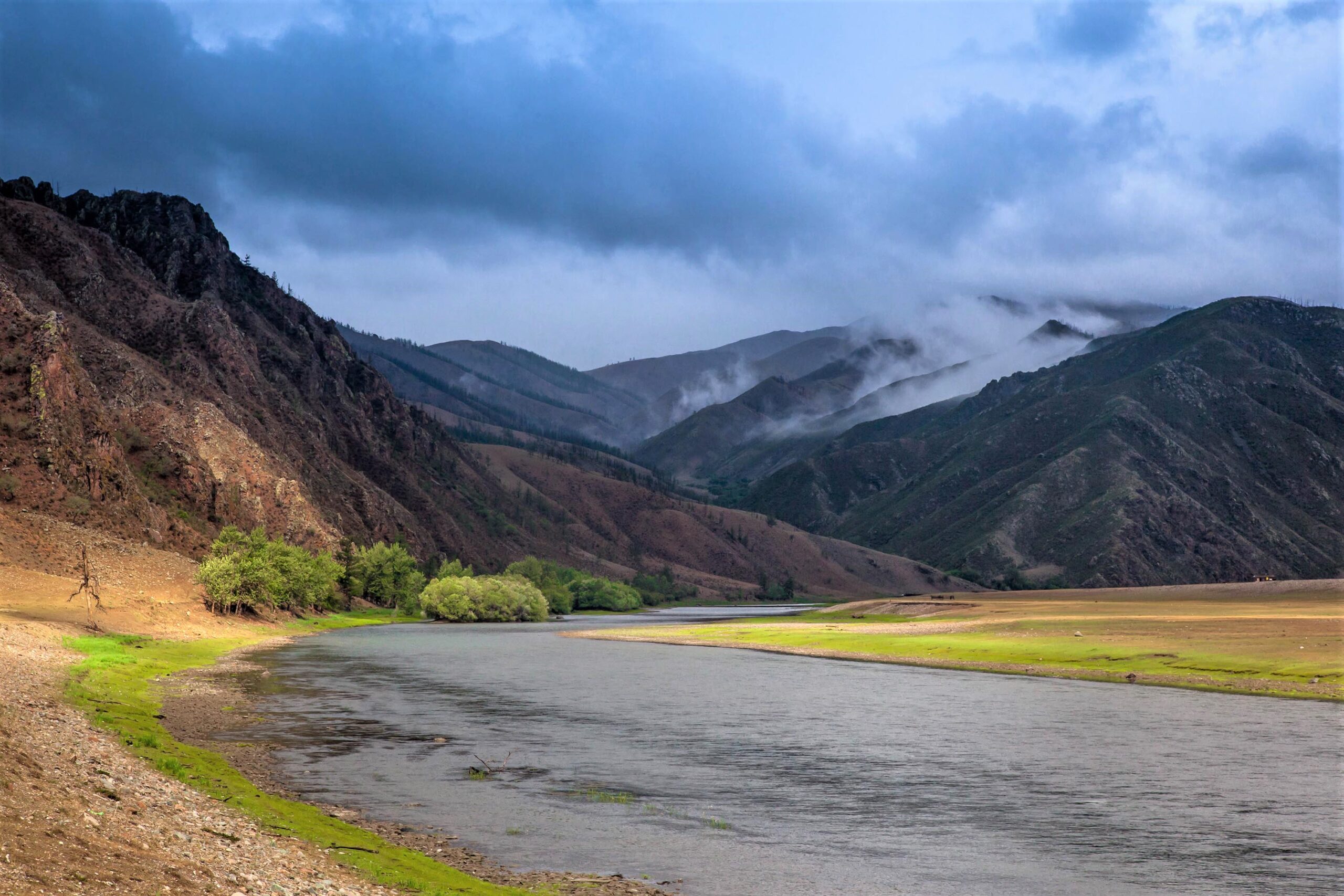
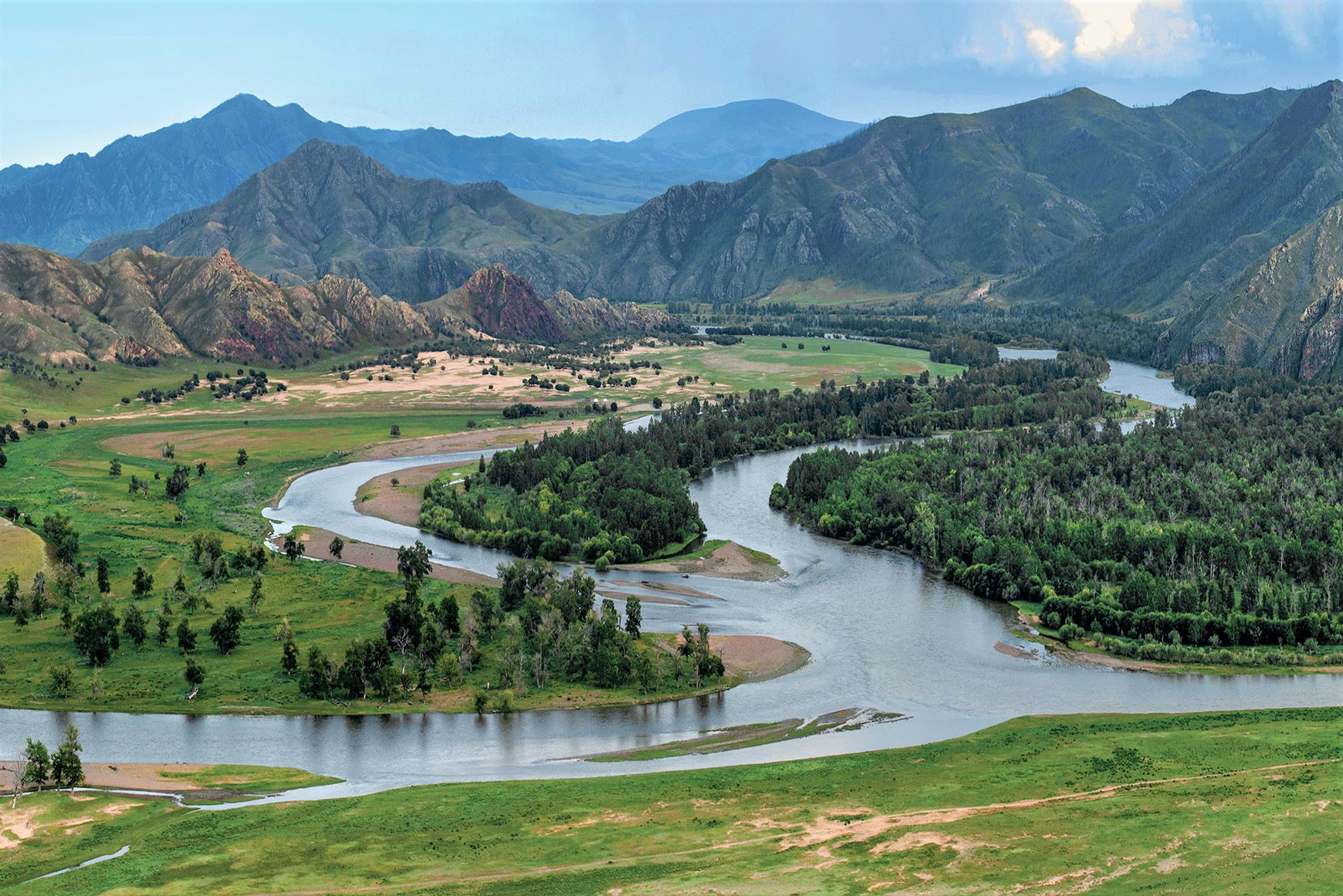
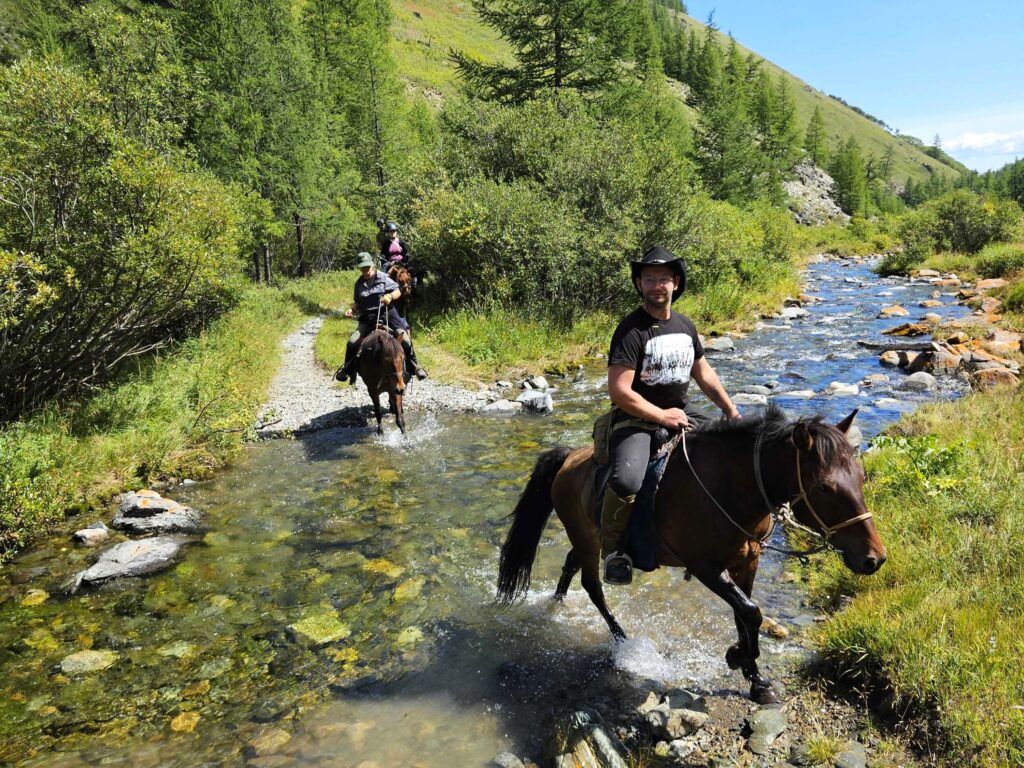
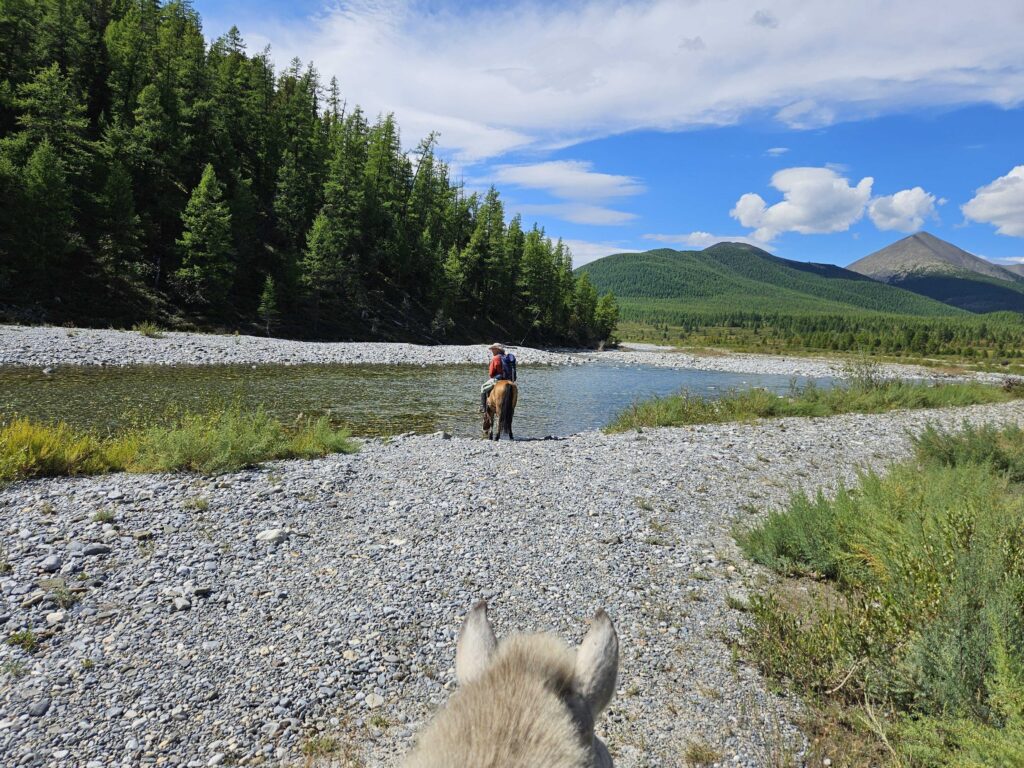
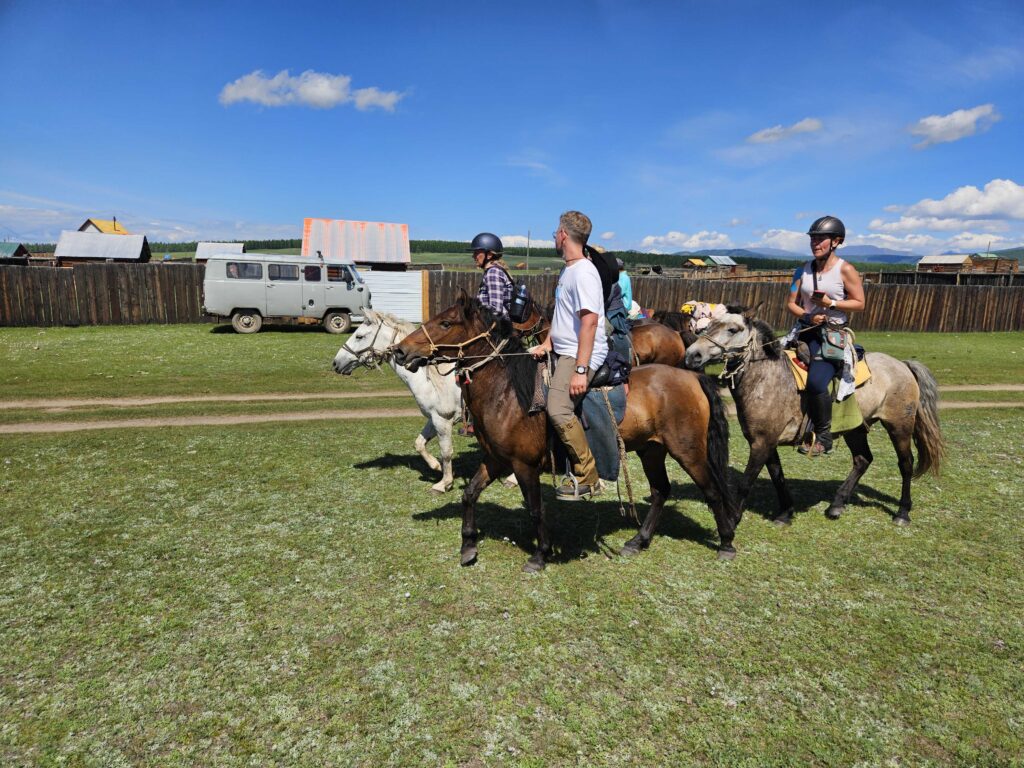
The ride begins on the steppe, by the southern shores of Lake Khövsgöl. With each passing day, we move further away from the world of yurt civilisation, pushing deeper into the untamed taiga, where you’re more likely to come across wolf tracks than signs of human presence. Our destination is the northernmost part of the Darkhad Basin, home to the nomadic Dukha people, also known as the Tsaatan.

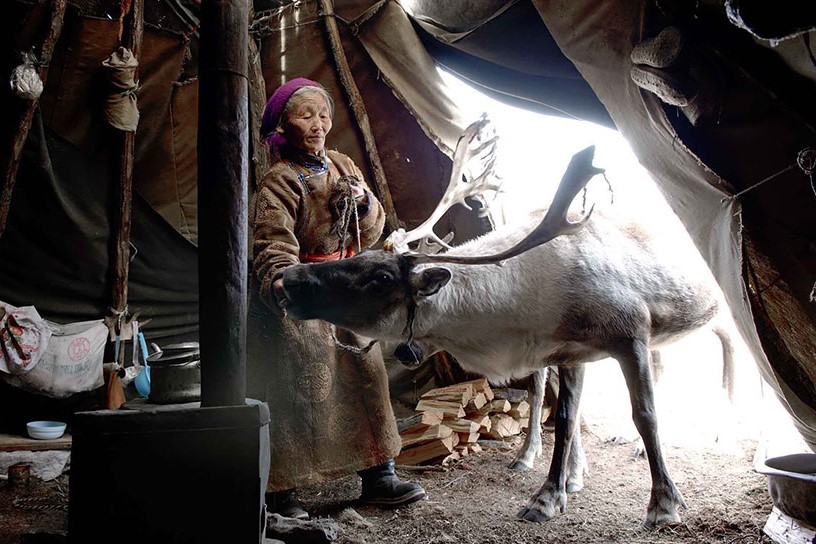
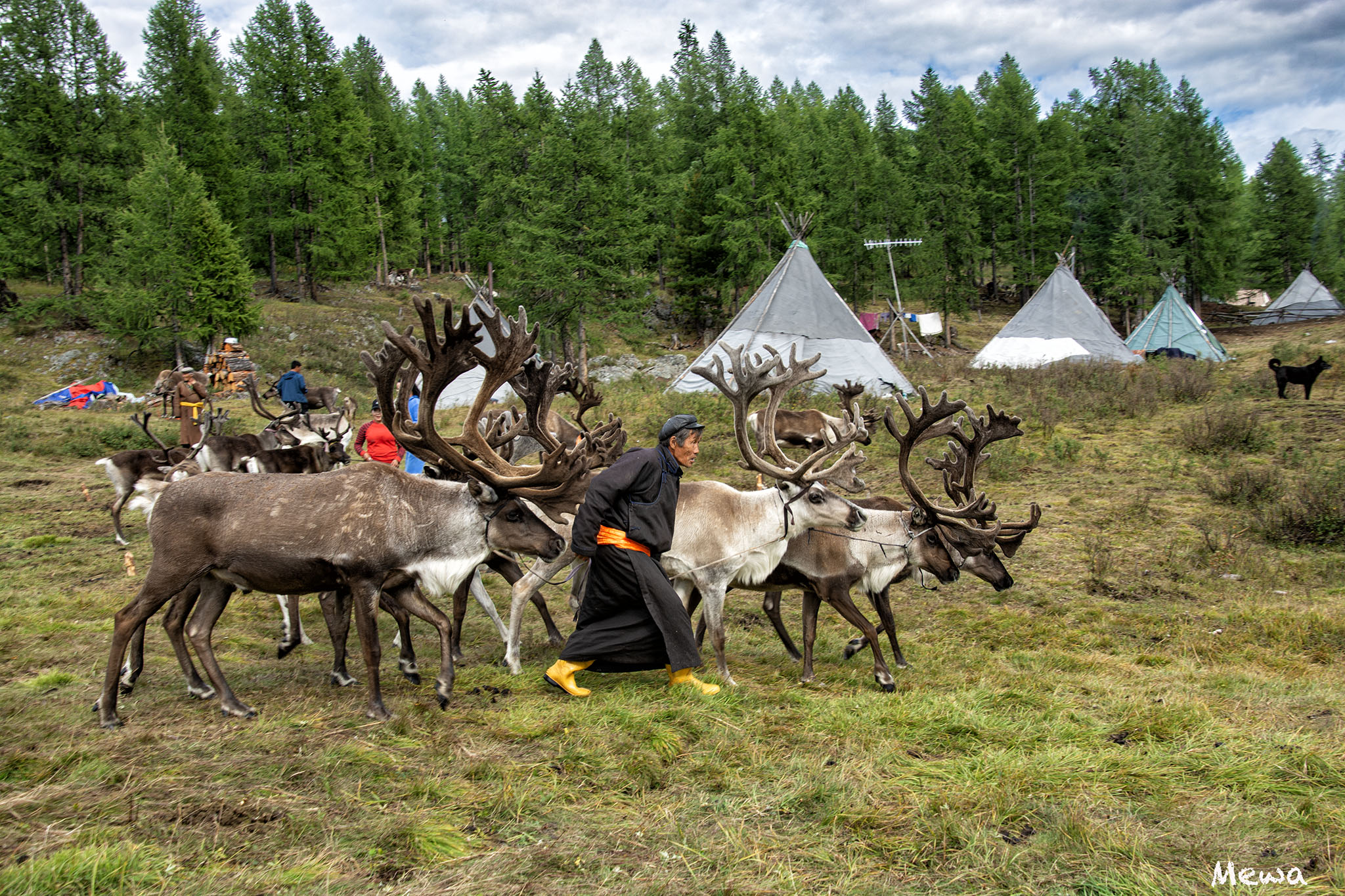
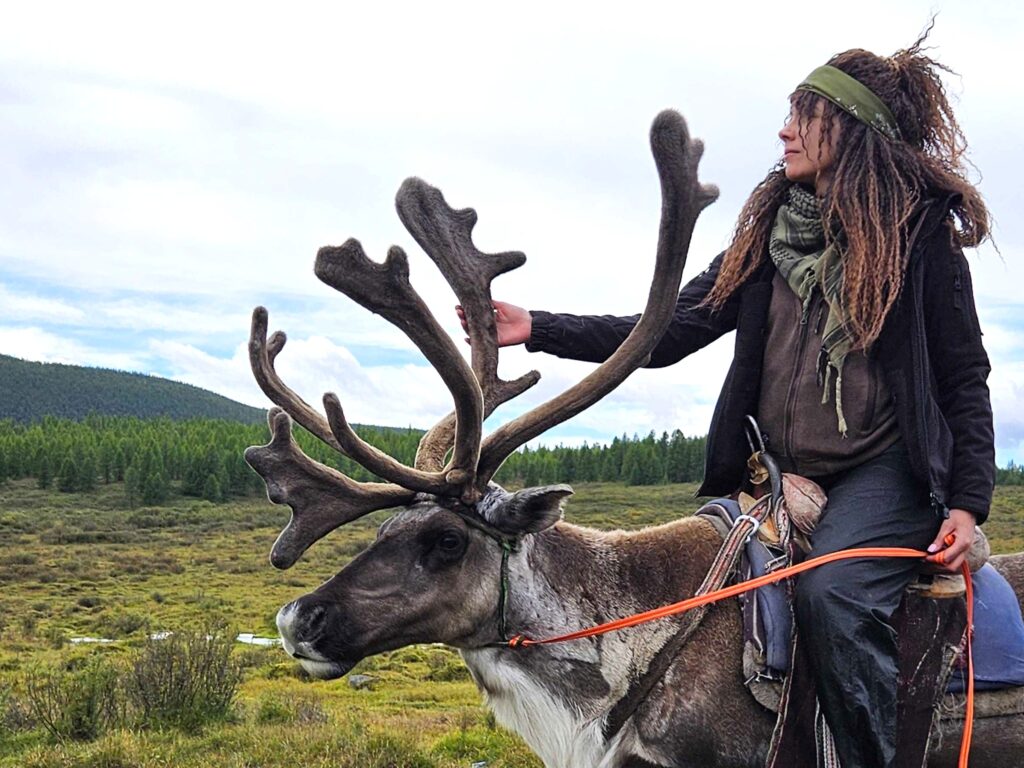
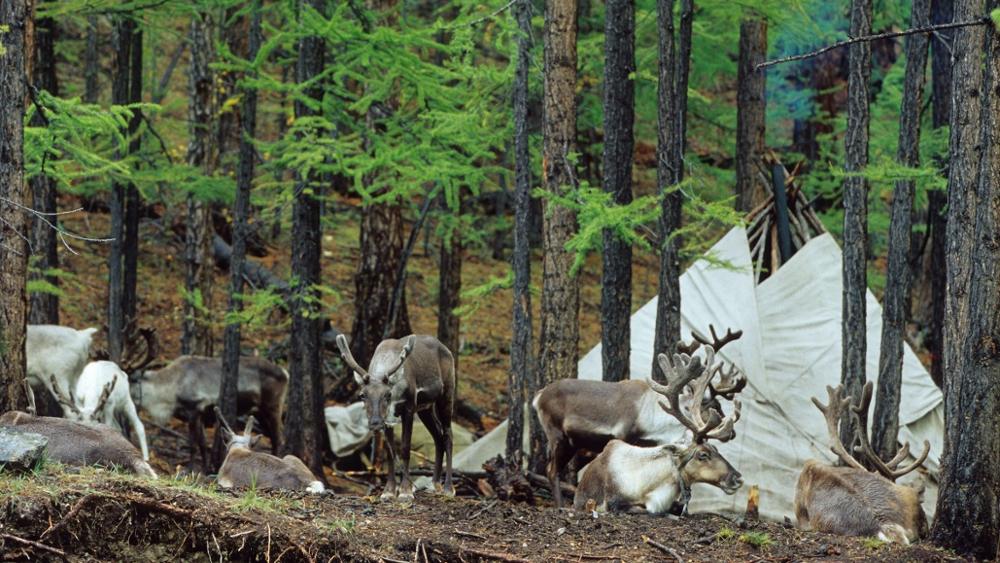
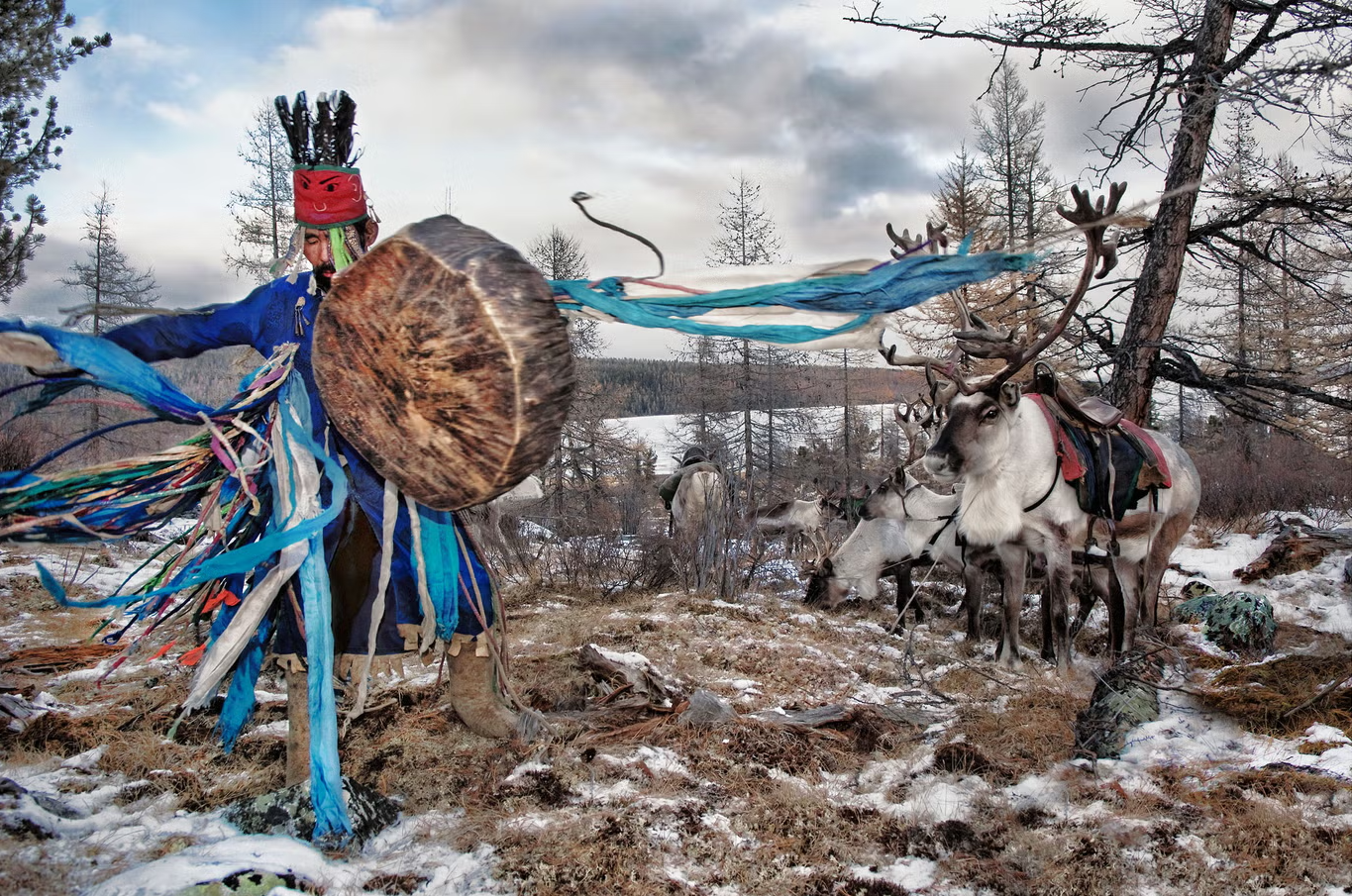
This journey is much more than just a horseback ride. Above all, it’s an encounter with the extraordinary culture of the peoples living along the southern edge of Siberia. We’ll have the chance to immerse ourselves in a tradition that may be less widely known, but whose roots reach back even further than the cultures of the Great Steppe. Today, the Dukha consist of just a bit more than 40 families, 400 – 500 people in total. Their everyday life is an almost mystical symbiosis with their reindeer herds, whom they follow through forests and marshes. The Dukha are animists and practise the oldest Mongolian form of shamanism. Here, the spiritual world flows directly into daily life, and the sound of the shaman’s drum carries across the taiga, setting the rhythm of existence.

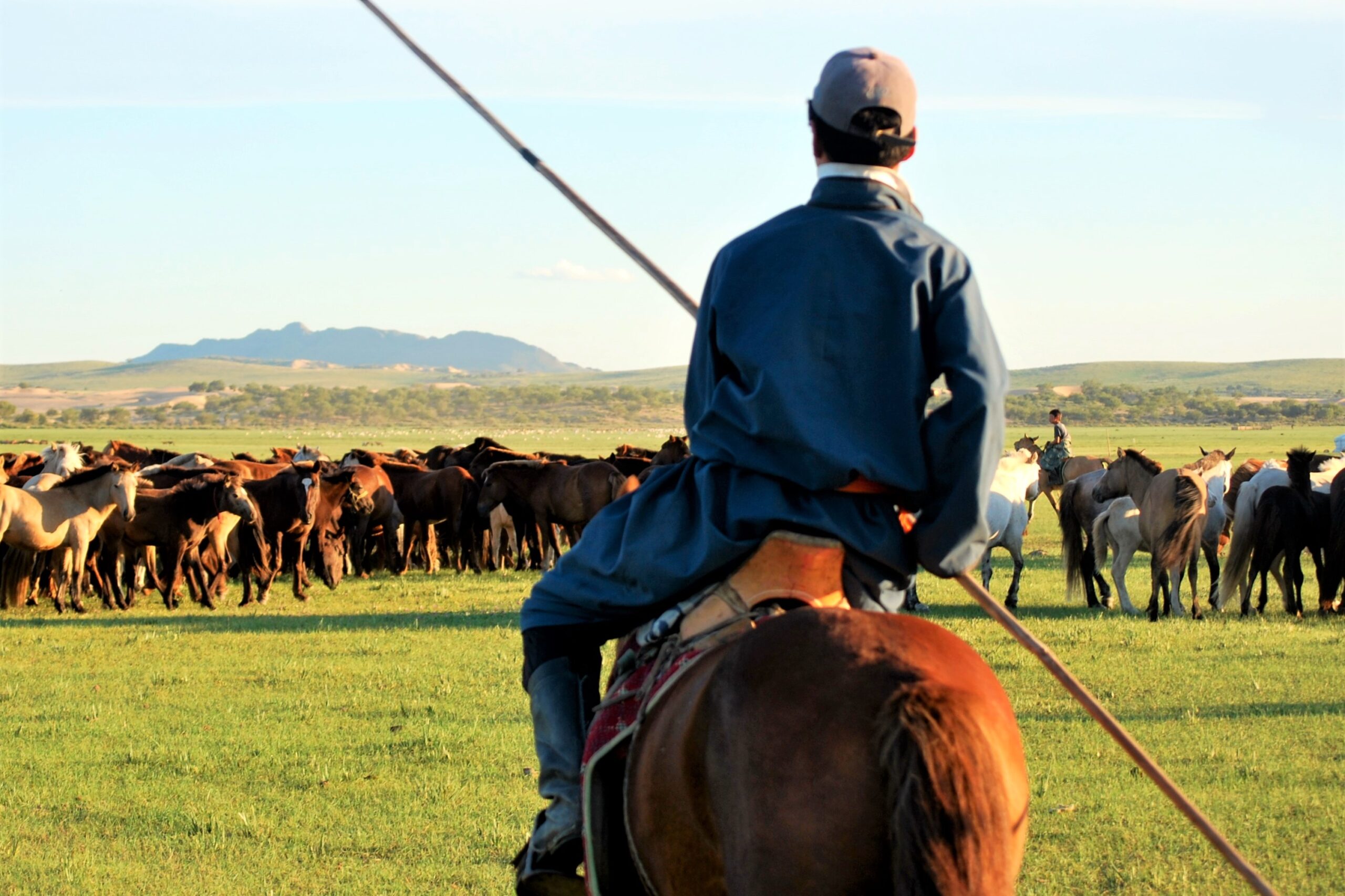
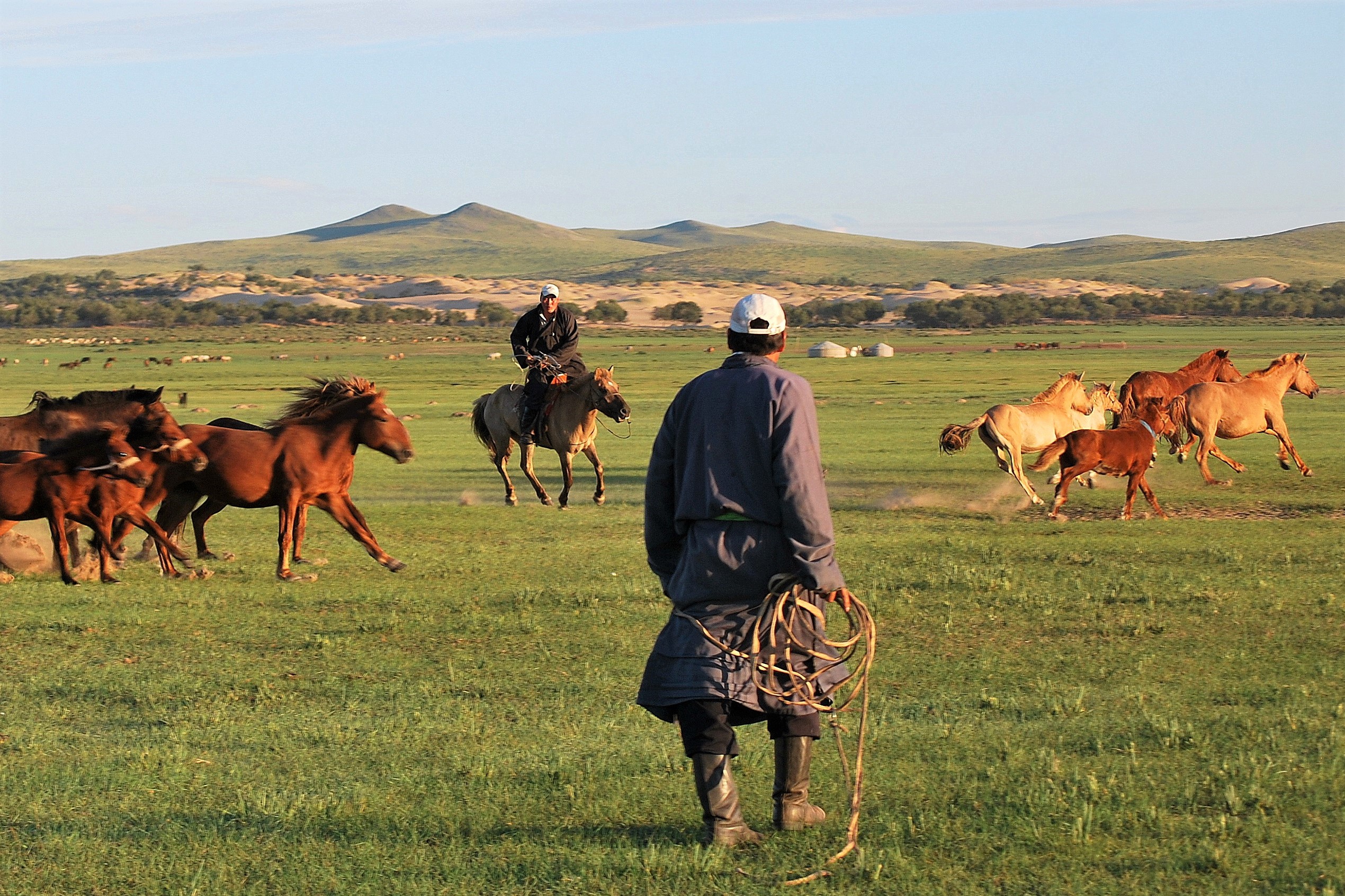
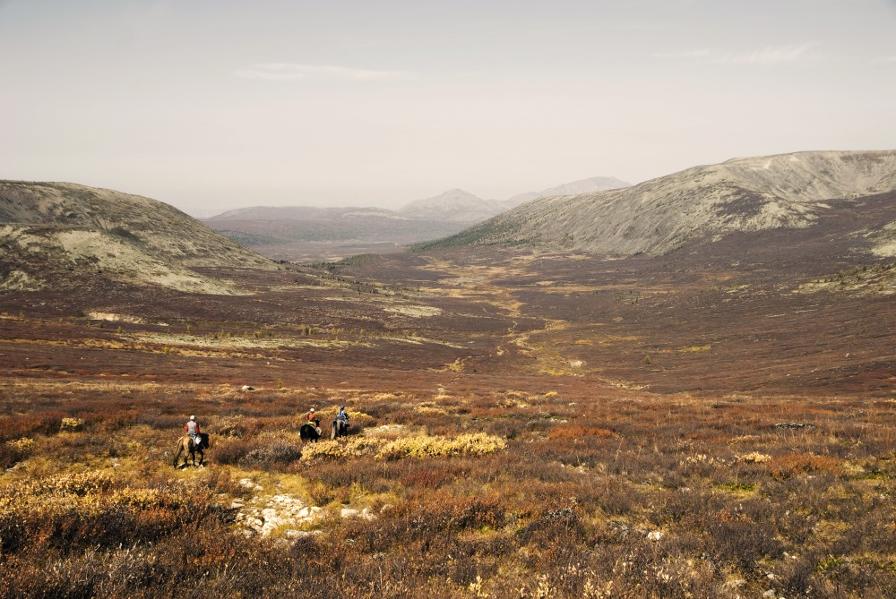
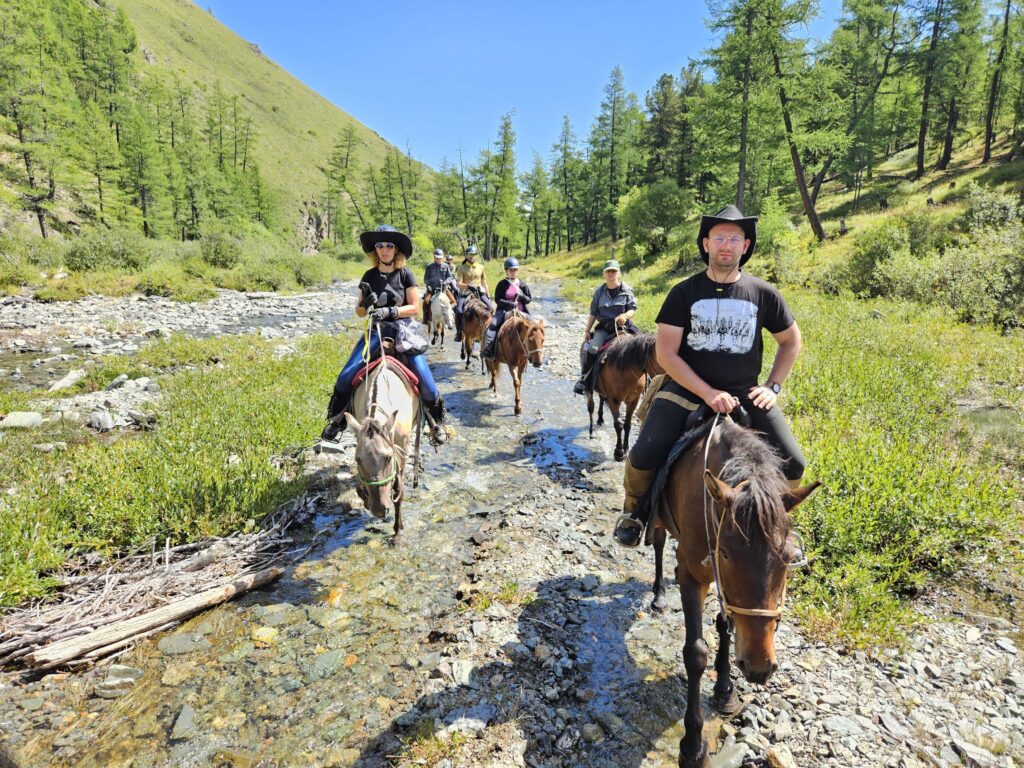
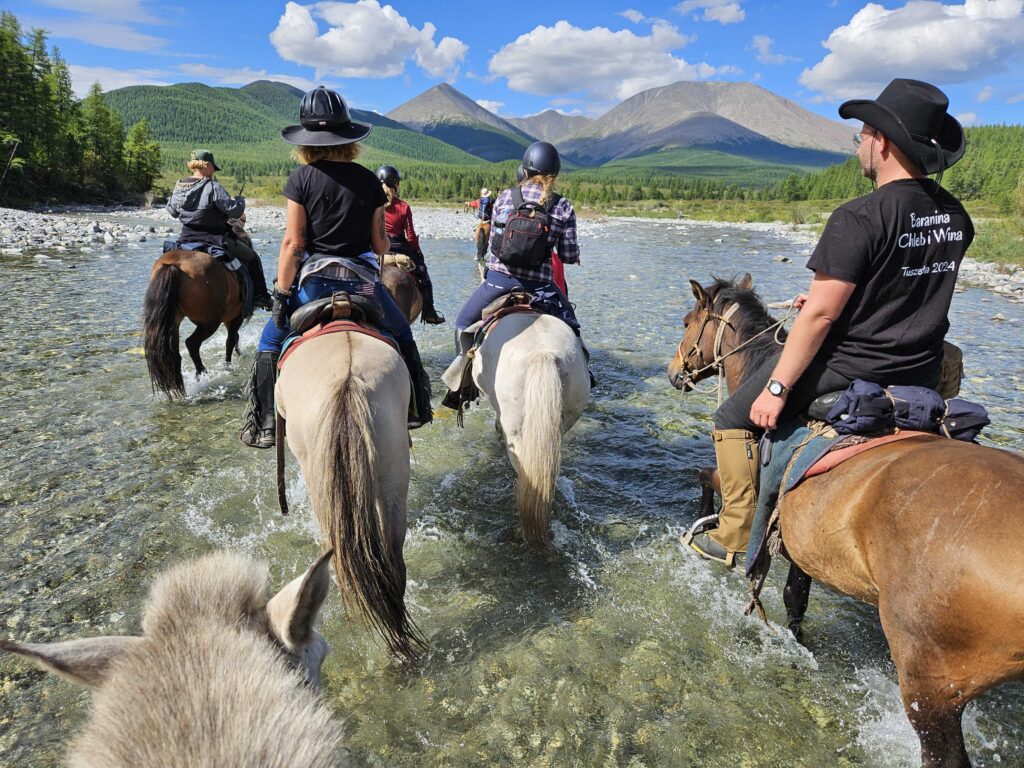
Because of the nature of the expedition, luggage is carried in saddle bags (we recommend keeping it under 15 kg). The rider’s weight should not exceed 90 kg. A good level of fitness is required, as well as riding skills at least at advanced-intermediate level. Daily riding stages are fairly long (35–40 km). The terrain will be varied: on the one hand there will be long galloping stretches across the steppe, and on the other you should be prepared for demanding riding through inaccessible, marshy taiga near the Dukha camp.

This expedition is intended for confident riders with solid previous experience in multi-day trail-riding, can handle more demanding horses and challenging situations. Our Mongolian expeditions are not a good choice for riders without previous trail-riding experience.

The rider weight limit on this expedition is 90 kg.

What is included in this tour?Items that are included in the cost of tour price.
  • 1 night in a hotel in Ulaanbataar
  • 1 night in a guesthouse
  • 1 night in gers
  • 2 nights in tipis
  • 9 nights camping/tenting
  • Full board (without alcohol), except for Ulanbataar
  • Internal flight from Ulaanbaatar to Mörön (luggage limit: 15 kg)
  • Transfer from and to the airport in Ulaanbataar (first and last day of the tour)
  • All car transfers included in the programme (4×4 vehicles)
  • Entrance to all tourist attractions included in the programme of the ride
  • A performance of traditional dance and overtone (throat) singing
  • Local guides and horsemen
  • English-speaking pilot/leader
  • Horse with full tack
  • Camping gear (tents, mats, sleeping bags)
  • Tourist insurance covering high-risk sports
What is not included in this tour?Items that are not included in the cost of tour price.
  • Flights to and from Ulaanbaatar
  • Meals in Ulaanbataar
  • Personal expenses (souvenirs, additional snacks, alcoholic drinks, etc..)
  1. Day 1 First steps in Mongolia

    Riders arrive in Ulaanbaatar early in the morning. We go straight to the hotel to rest for a few hours. At noon, we meet our local guide and head to a restaurant for lunch. Afterwards, we visit the Chinggis Khaan National Museum. The exhibition covers the period from prehistoric times to the USSR, with a large part devoted to the Mongol Empire and its founder, Genghis Khan. In the evening we’ll have a walk around the city and attend a performance of traditional dance and overtone (throat) singing. Overnight at the hotel.

  2. Day 2 Northern Mongolia

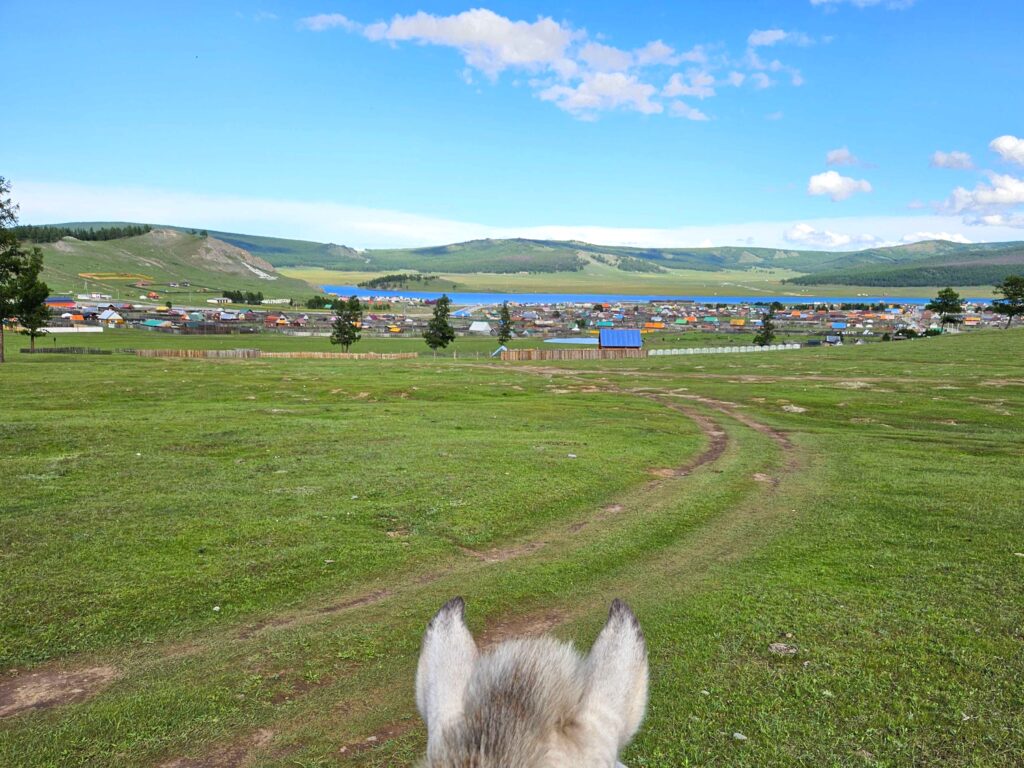
    Early in the morning, we head to the airport to take a one-hour flight to Mörön, the capital of Khövsgöl Province. From there, we continue north by car to Khatgal. It’s a settlement on the southern shore of Lake Khövsgöl, known for its distinctive architecture: Siberian wooden cottages stand side by side with yurts. We mount our horses and begin our adventure. That day we have around 15 km in the saddle to cover, with the route leading through the nearby villages. In the evening, we set up camp for the first time.

  3. Day 3 Khövsgöl lake

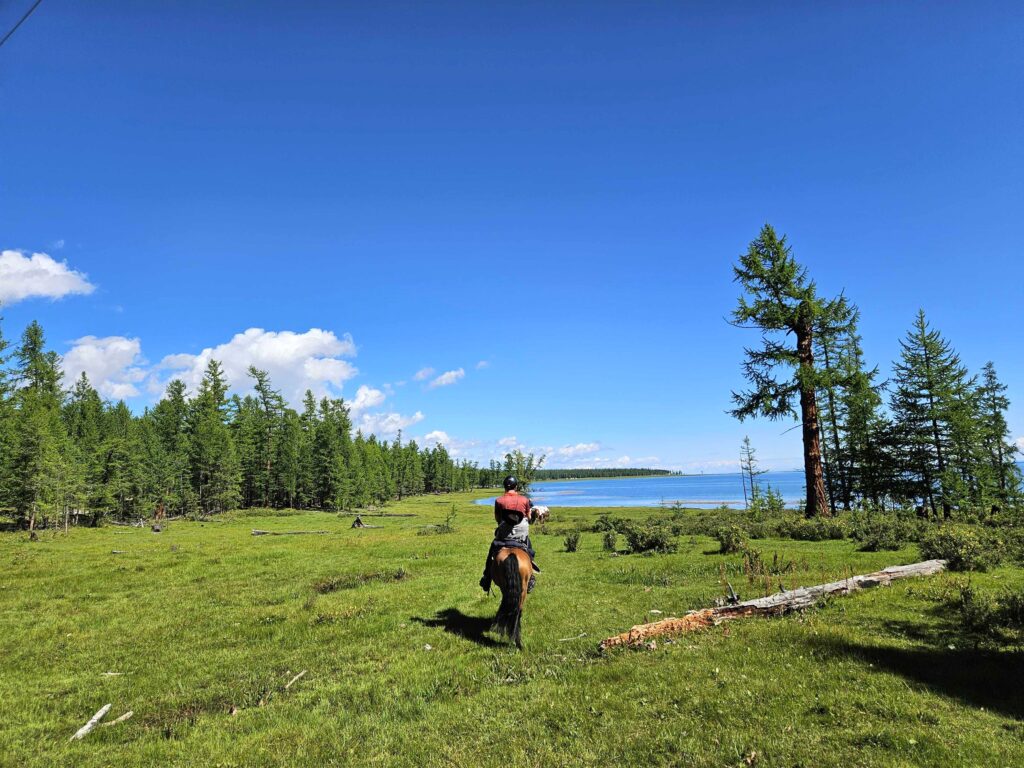
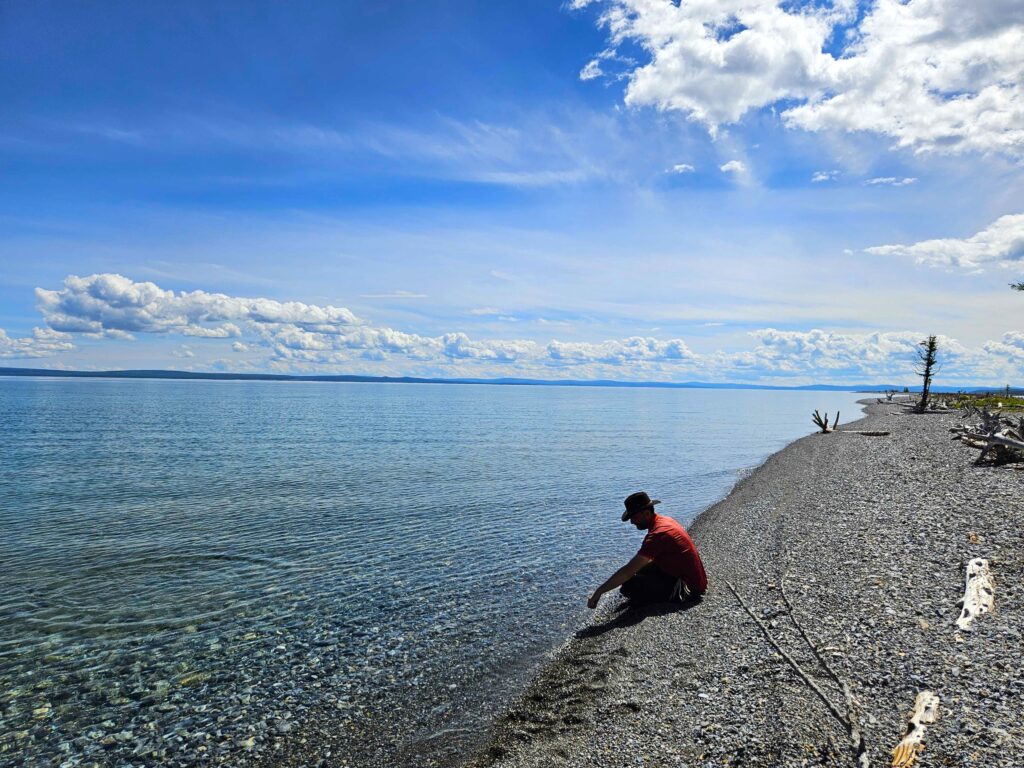
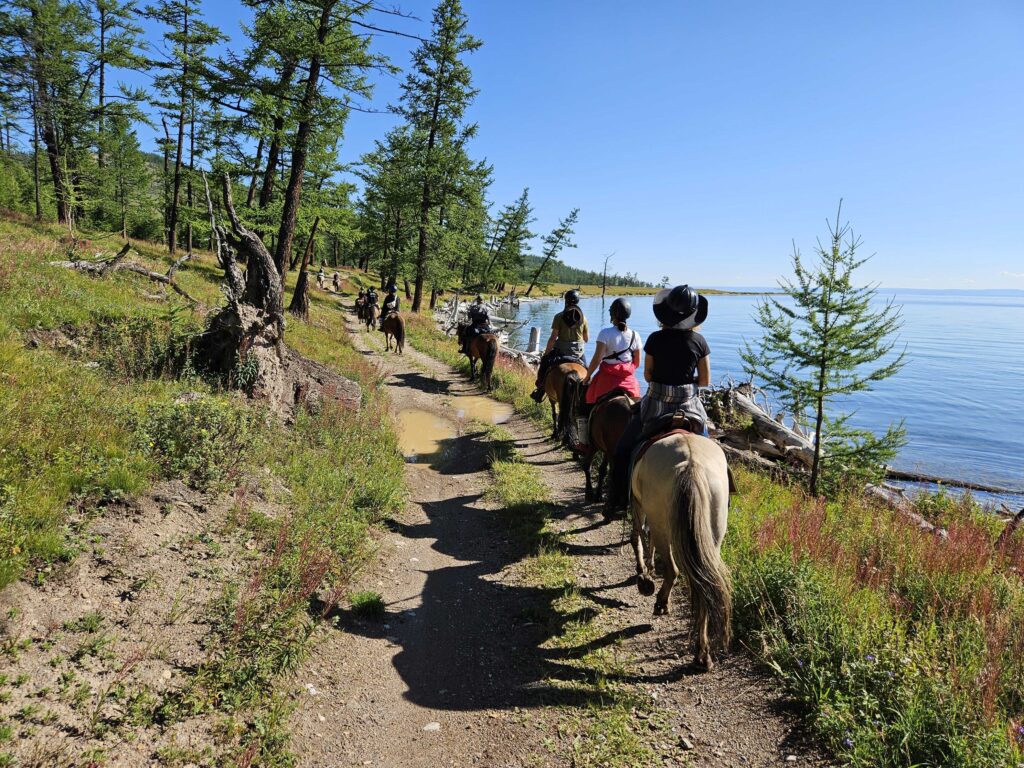
    After breakfast out in the open, we’ll hop on our horses. Our today’s ride is about 35 km, the first long day in the saddle. We’ll follow a scenic route running along the shoreline. According to Mongolian stories, Khövsgöl and Baikal were once one. In reality, the two lakes are more like “twins”: they lie in the same tectonic rift, which makes them both long and very deep. They are connected by the outflow of the Egijn Gol and the Selenga – like an umbilical cord. We’ll stop for lunch along the way, and in the evening we’ll set up our second camp.

  4. Day 4 Shadows of the Khoridol Saridag

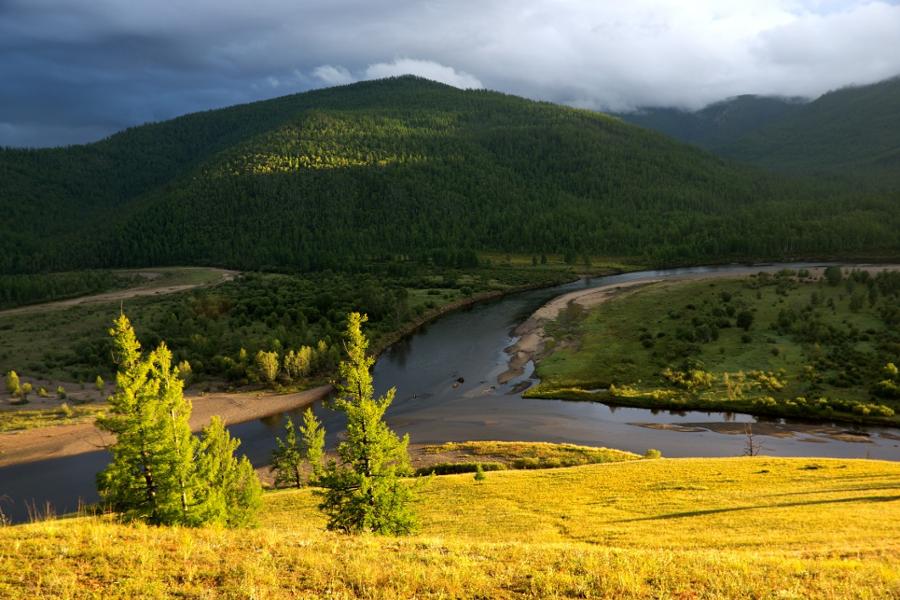
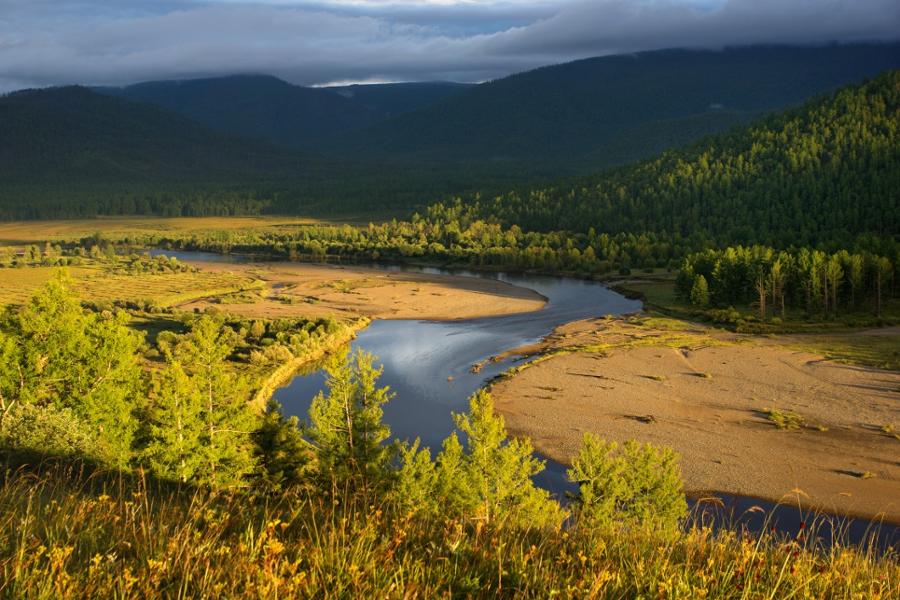
    We continue riding north. We say goodbye to Lake Khövsgöl and enter the depths of the larch forests. To the west, the majestic Choridol Saridag mountain range looms in the distance. At its foot, we’ll come across our first ovoo – a place of animist worship. It is a mound made of stones, wood, and offerings to the local spirits. In keeping with local custom, we’ll ride around the ovoo three times as a sign of respect. You can also leave an offering of your own. In the evening, we’ll reach the area near the Jigleg Pass, where we’ll set up our next camp.

  5. Day 5 Ground squirrels' minefield

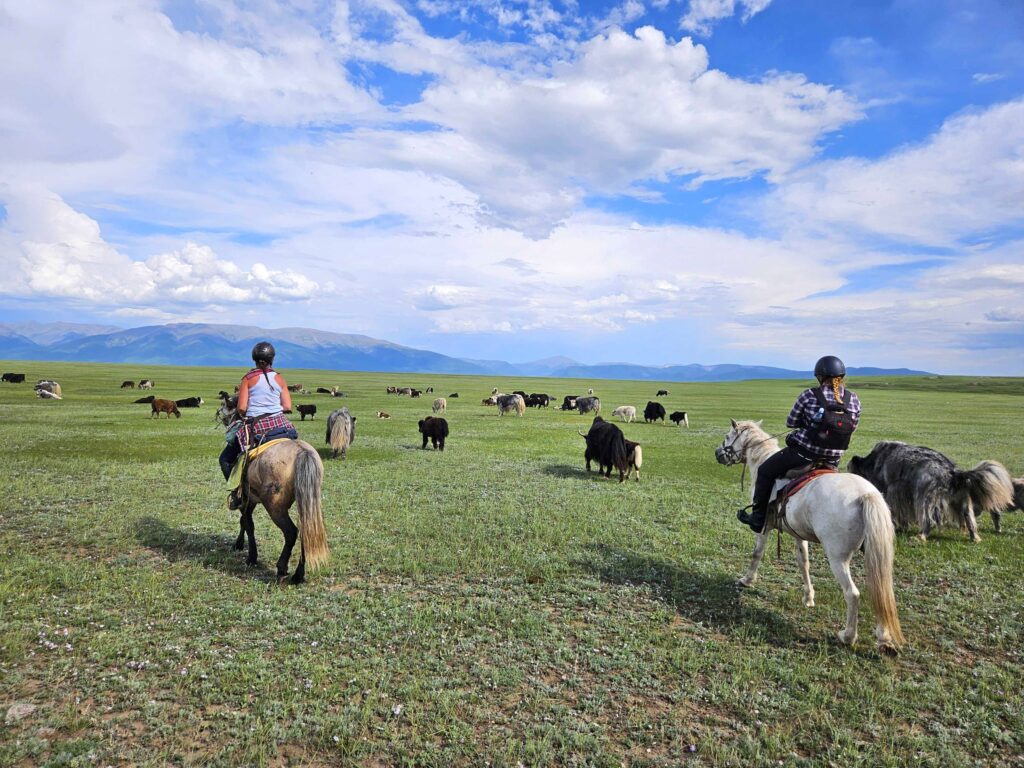
    After breakfast, we’ll take down our camp, hop into the saddle, and head briskly onwards towards the Arsai River. The terrain is easy, mostly forests and open plains. It’s worth listening out for the cuckoos singing around us and keeping an eye out for ground squirrels. We’ll be galloping, a lot, but we have to be careful, the vast, open ground is dotted with burrows and holes in the earth – the work of ground squirrels and other small animals. In the evening, we’ll reach the Eult area, where we’ll spend the night.

  6. Day 6 The Darkhad Valley

    We enter the Darkhad Basin. It is considered one of the hardest places in the country to reach, even by Mongolian standards. Our trail first runs through forest, but later we’ll come across settlements. In the afternoon, we’ll reach the village of Renchinlkhümbe, where we’ll restock our supplies and spend the night in a guesthouse. We’ll also make use of the local bathhouse.

  7. Day 7 The Land of Lakes

    In the morning, we leave the village behind. Ahead of us lies the gateway to the Land of Lakes. Around 300 lakes are hidden among the green hills, and we’ll get to see some of them on the way. Plenty of galloping awaits us across the last stretches of steppe this far north. As usual, we’ll stop for lunch along the way, and in the evening we’ll set up camp and spend the evening around a fire.

  8. Day 8 The shepherding family

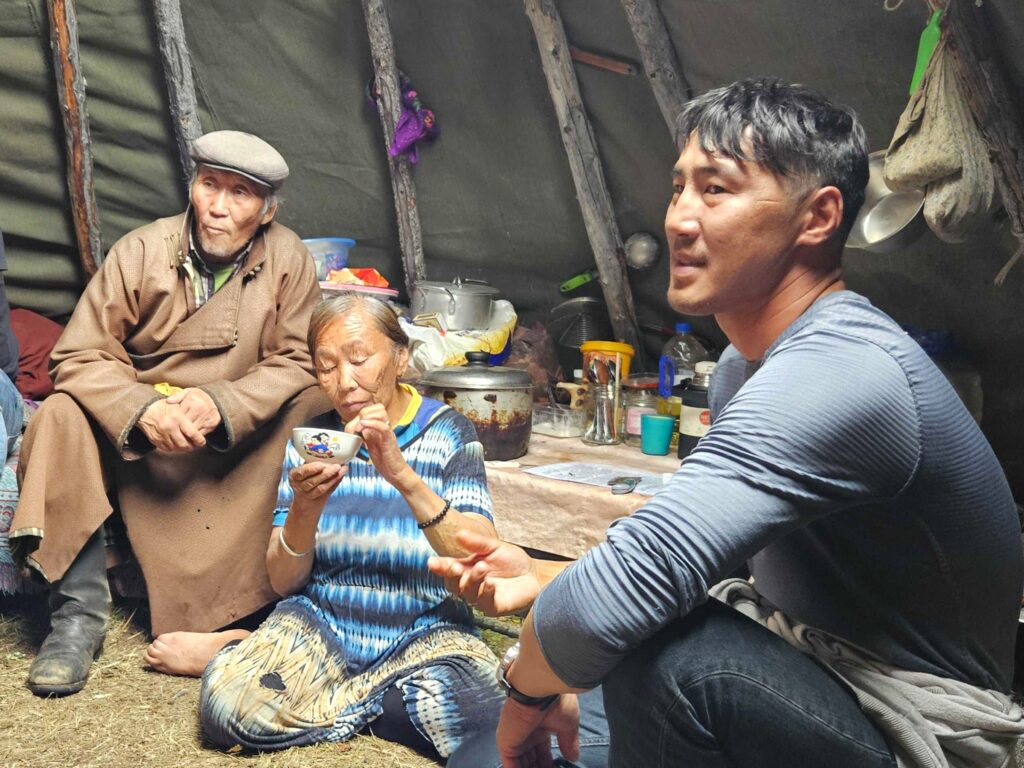
    After breakfast, we hop on our horses and continue further north-west. We’ll cross two bridges on local rivers flowing into the majestic Lake Tsagaan Nuur. We’ll also visit a local family. It will be a chance for us to try Mongolian tea and other local treats. After lunch, we continue on our way, and spend the night camping near the Khogorgo River.

  9. Day 9 Taiga

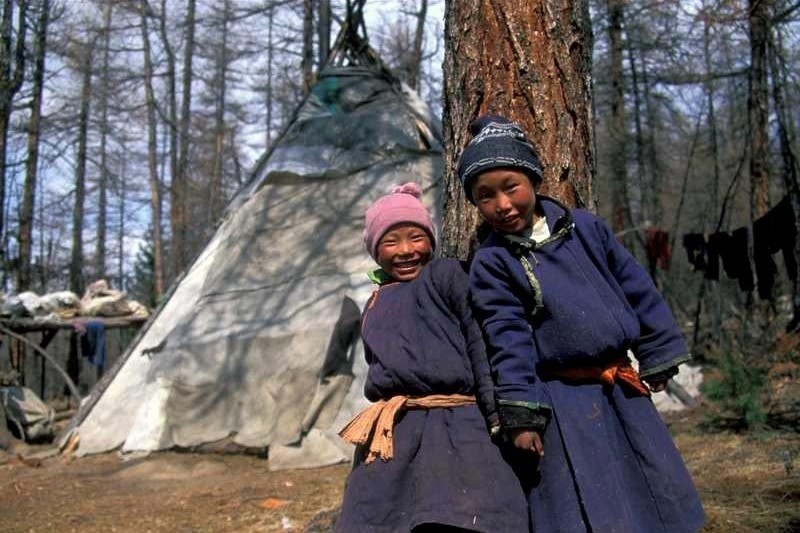
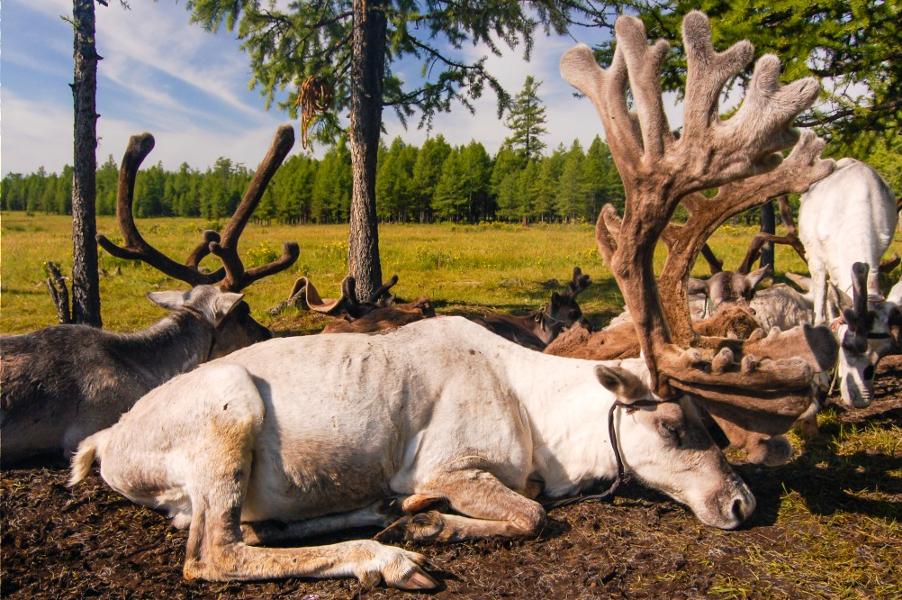
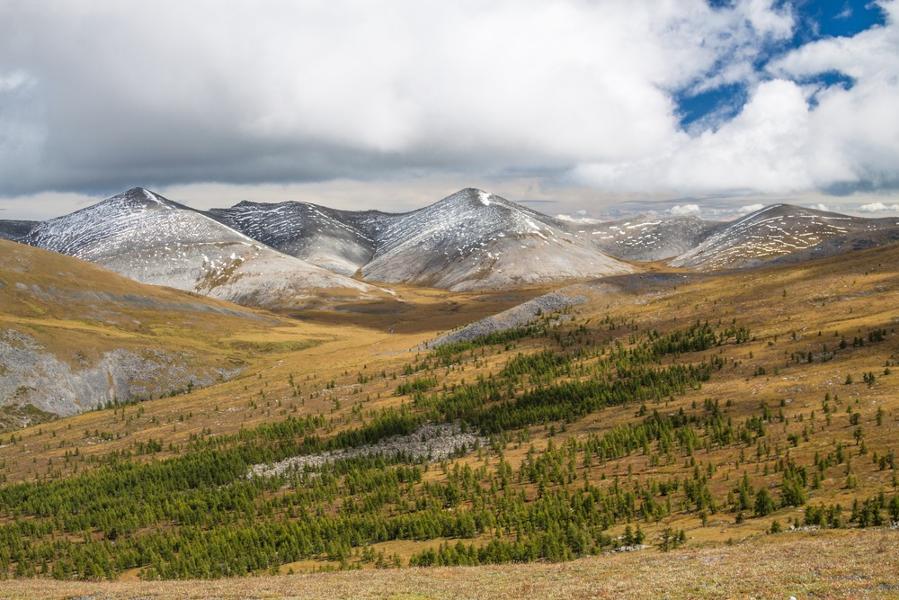
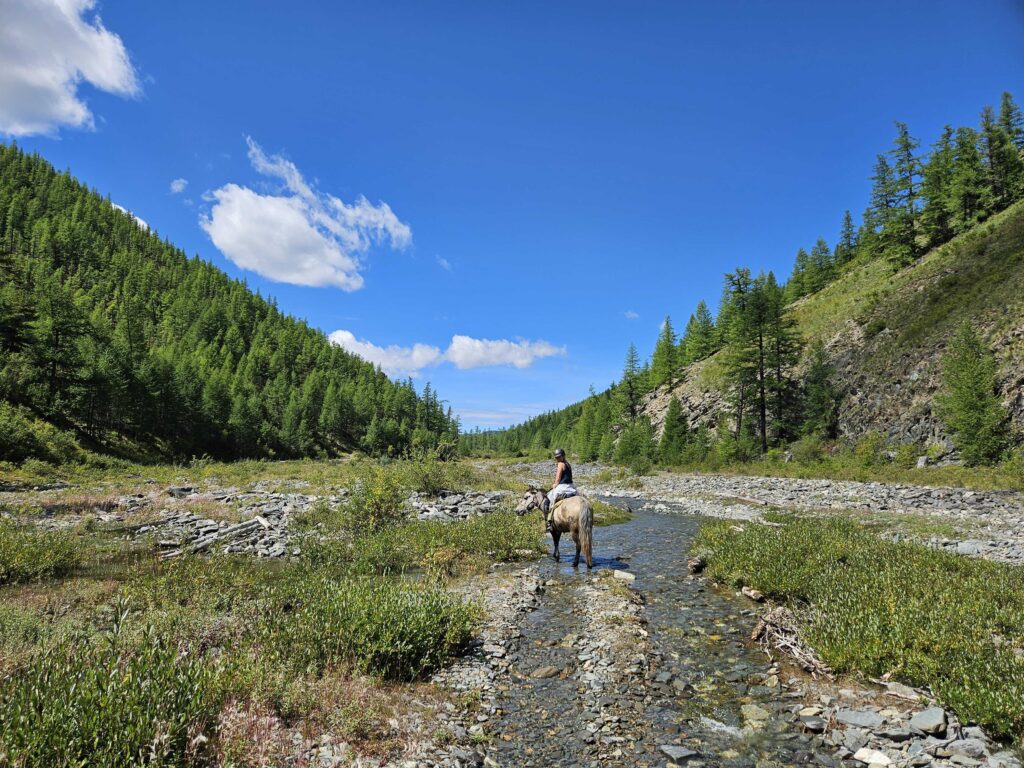
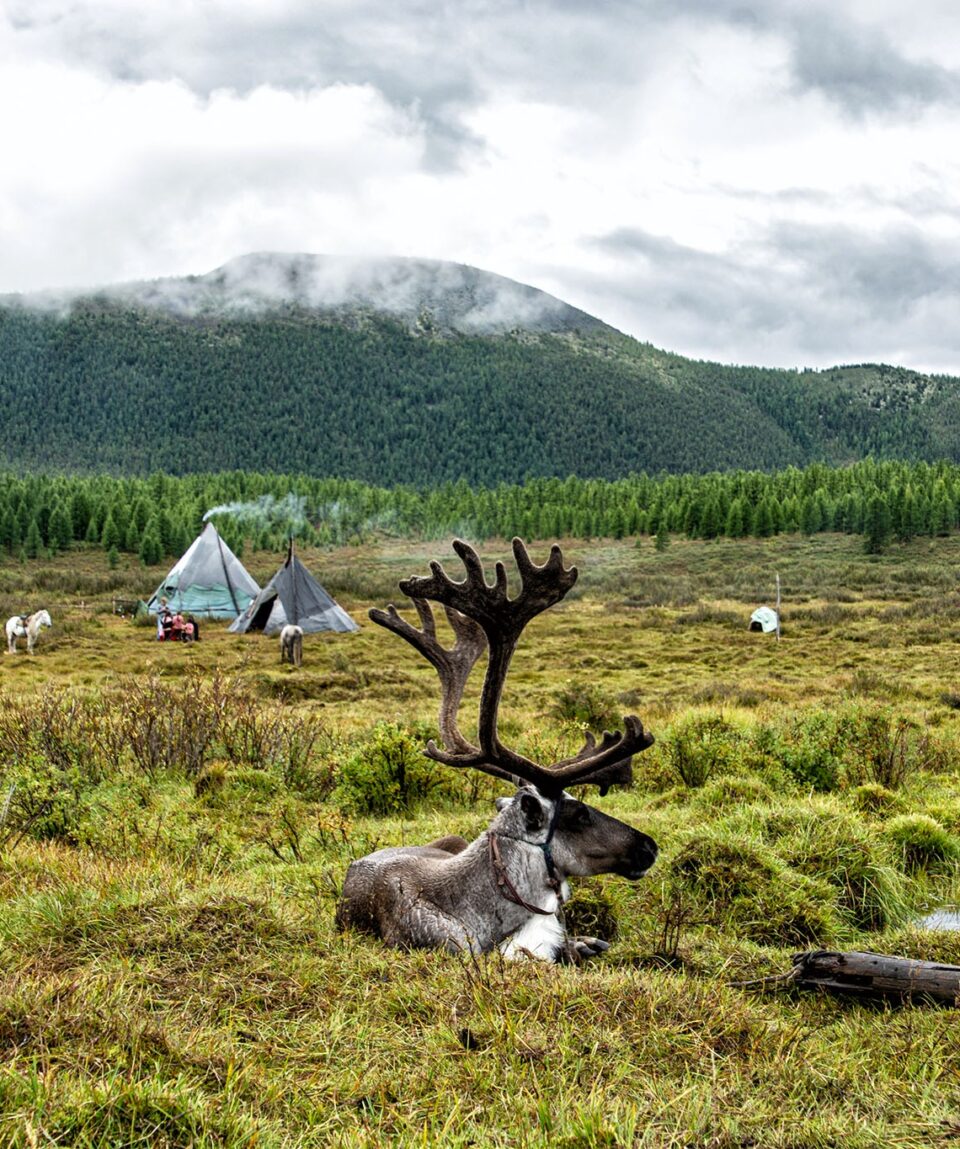
    This is where the hardest part of the ride begins – we enter the taiga. The vegetation here is made up of shrubs, low conifers, and birch trees. These lands are completely uninhabited and form a natural barrier separating the Dukha tribe from the rest of the world. The trail is rarely used and sometimes disappears altogether. The terrain is harsh, often marshy and slippery. In the middle of the day, we’ll spot the first reindeer herds and… tipis. Unlike the other peoples of the Great Steppe, the Dukha do not live in gers, but build triangular shelters from wood and reindeer hides. We’ll spend the night in tipis belonging to one of the Dukha families.

  10. Day 10 The Dukha tribe

    This day is all about getting to know the life, traditions, and beliefs of the Dukha. The horses rest after the long and demanding journey, while we immerse ourselves in a world of legends, songs, games, and tribal traditions. There’ll be a chance to join the families in their daily activities, learn more about the reindeer, and listen to stories told by the tribal elders. We’ll spend the night in tipis once again.

  11. Day 11 Shepherds and shamans

    We say goodbye to the reindeer herders and set off on the return journey. The vast taiga lies ahead of us once again. We head south, towards the already familiar Lake Tsagaan Nuur and the settlement nestled against its shore. It’s a long day in the saddle, around 40 km through difficult terrain. It’s also our final day on horseback. We’ll spend the night in tents.

  12. Day 12 Roads and off-roads

    We say goodbye to our amazing horses and horsemen. We’ll switch to cars and continue south carried by mechanical horses Our destination for today is a bend of the Beltes River. We have 160 km to cover, but the terrain is very difficult, so the drive will take around 6–7 hours. We’ll spend the night camping in a picturesque canyon.

  13. Day 13 Extinct volcano

    We’ll spend that day on the road. First, we head towards Mörön, where we’ll stop for lunch. Then we turn south-east. The landscape gradually changes as we approach the extinct volcano Uran Togoo. In the afternoon, we reach our campsite. We pitch our tents for the last time and admire the night sky over wild Mongolia.

  14. Day 14 Back to civilization

    After breakfast, we set off towards Ulaanbaatar. The distance is around 370 km, but by Mongolian standards the road is good. In the afternoon, we arrive at a charming camp near the capital. We’ll be able to have a proper wash and warm up, and then our final dinner together awaits us. We’ll spend the night in gers.

  15. Day 15 Farewell to Mongolia

    We set off for the airport, where our journey back home begins.

The guide might modify the route and tour plan according to weather conditions, group's riding skills and random events.
20240818_075933-scaled
20240811_140942-scaled
20240811_161056-scaled

The route of the expedition runs through wild, uninhabited areas inaccessible to cars. Even in these demanding conditions, we do our best to provide riders with as much comfort as possible. We’ll spend 9 nights in tents, 2 nights in tipis, and 1 night in a guesthouse. Everywhere, warm sleeping bags will be provided, as well as a sanitary “shower” tent. Using it depends on water availability at the campsite – if water is available, we’ll heat it over the fire; we therefore expect to be able to wash at least every other day.

In addition, we’ll spend the first night in a hotel in Ulaanbaatar, and the last night in gers near the airport.

Meals will be prepared – depending on the day – either by local host women or by the cook travelling with us. Traditional Mongolian cuisine is rich, quite fatty, and can be heavy on the stomach. Like most pastoral diets, it is based mainly on animal products — meat and dairy. Since we carry all supplies with us along the route, you should expect simple dishes, though still tasty and filling.


Riding equipment

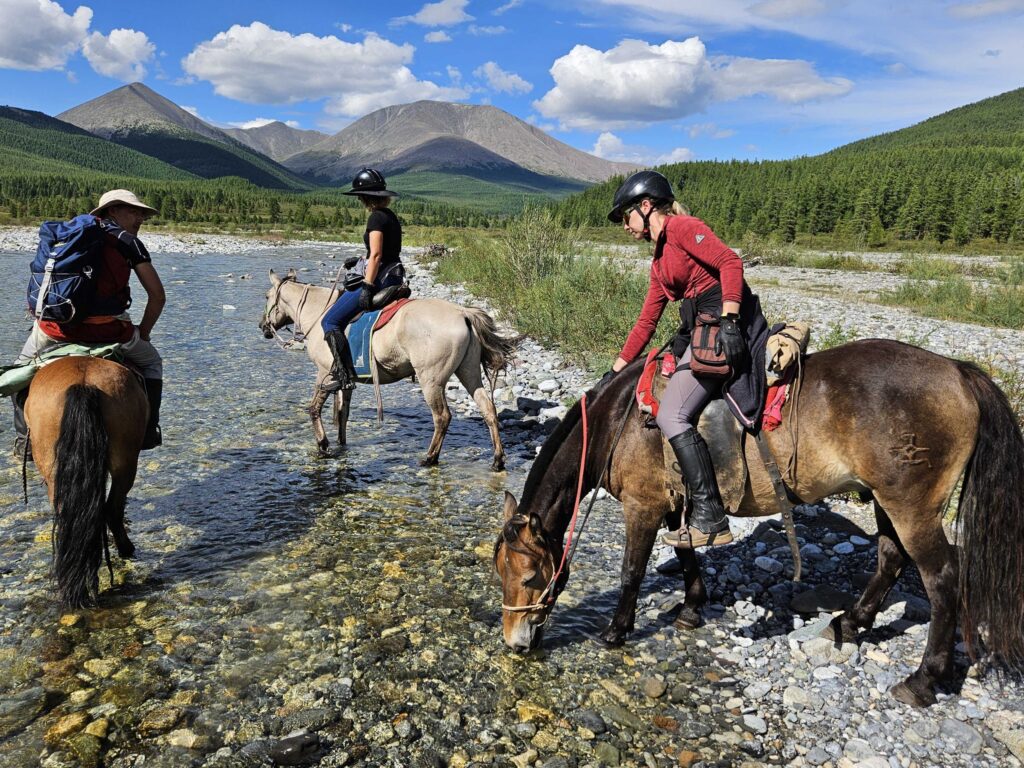
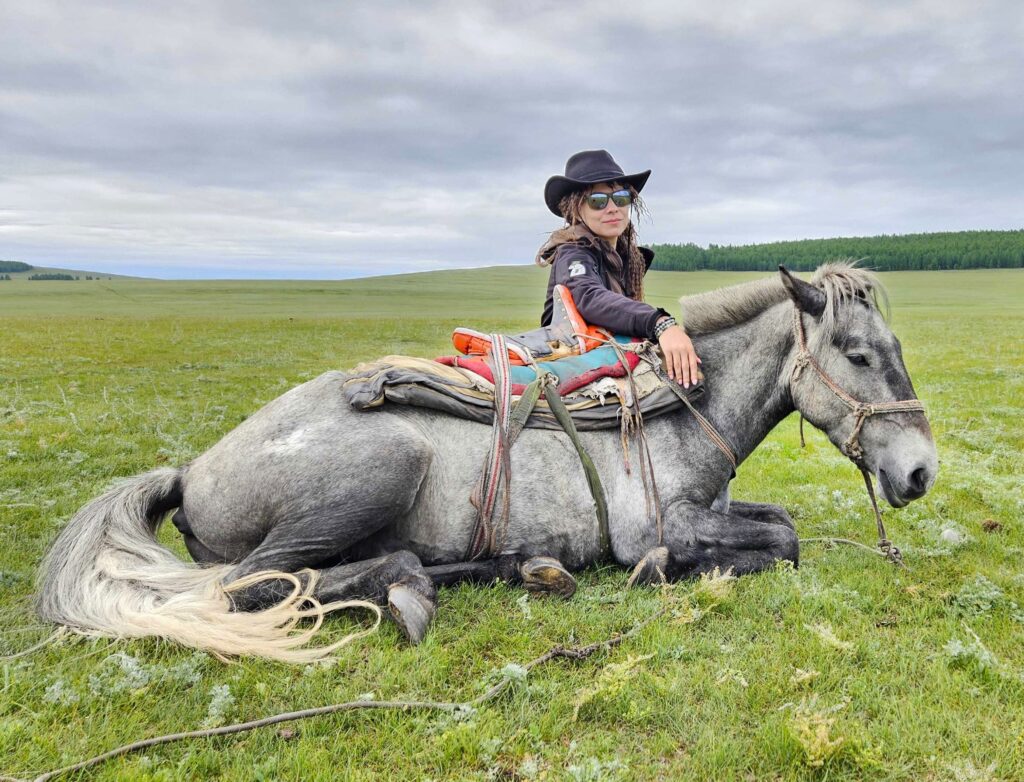
In Mongolia we ride in trail saddles being a local “trail” saddle, a cross between russian saddles and local ones. We use bits.

Riding clothing needs to be suited to the climate of the steppe and the taiga. Daytime temperatures can range from 15 to 25 degrees Celsius, but storms, rain, and fog do happen. In the evening, temperatures drop to around 5-10 degrees. Both your riding clothes and spare clothing should therefore be suitable for changing conditions – layering is definitely the way to go. Good-quality thermal base layers are well worth bringing. Proper waterproof outerwear is also essential. Instead of typical riding/jodhpur boots, we strongly recommend solid trekking boots – and they really do need to be waterproof. It’s also worth bringing a scarf or buff to protect your face from dust on dry days.

What should you take

In northern Mongolia, our luggage travels on pack horses. You should therefore pack in soft, waterproof luggage (a solid drybag, rucksack, or duffel). We recommend packing with restraint. We’ll also be taking a domestic flight, where the baggage allowance is 15 kg.

  • passport
  • cash, USD or EURO
  • electronic devices, e.g. camera, chargers, powerbanks
  • flashlight; head flashlights work best
  • sunscreen
  • insect repellent
  • sunglasses with a UV filter
  • personal clothes – take a “layer” approach
  • personal riding gear (helmet, breeches, chaps, etc.)
  • raincoat
  • trekking boots
  • knife or a pocket knife
  • a canteen or other water container
  • optionally: a pillow, sleeping bag internal layer / insert

On the spot our local partner provides good sleeping bags, washed and disinfected after every tour.

Date Trip Status Price Spots  
14 June 2026 - 28 June 2026
Full group, English-speaking pilot and guides
3000 
0
19 July 2026 - 2 August 2026
Available, English-speaking pilot and guides
3000 
2