fot. Piotr Baran

Treasures of Southern Albania

Albania

1360 

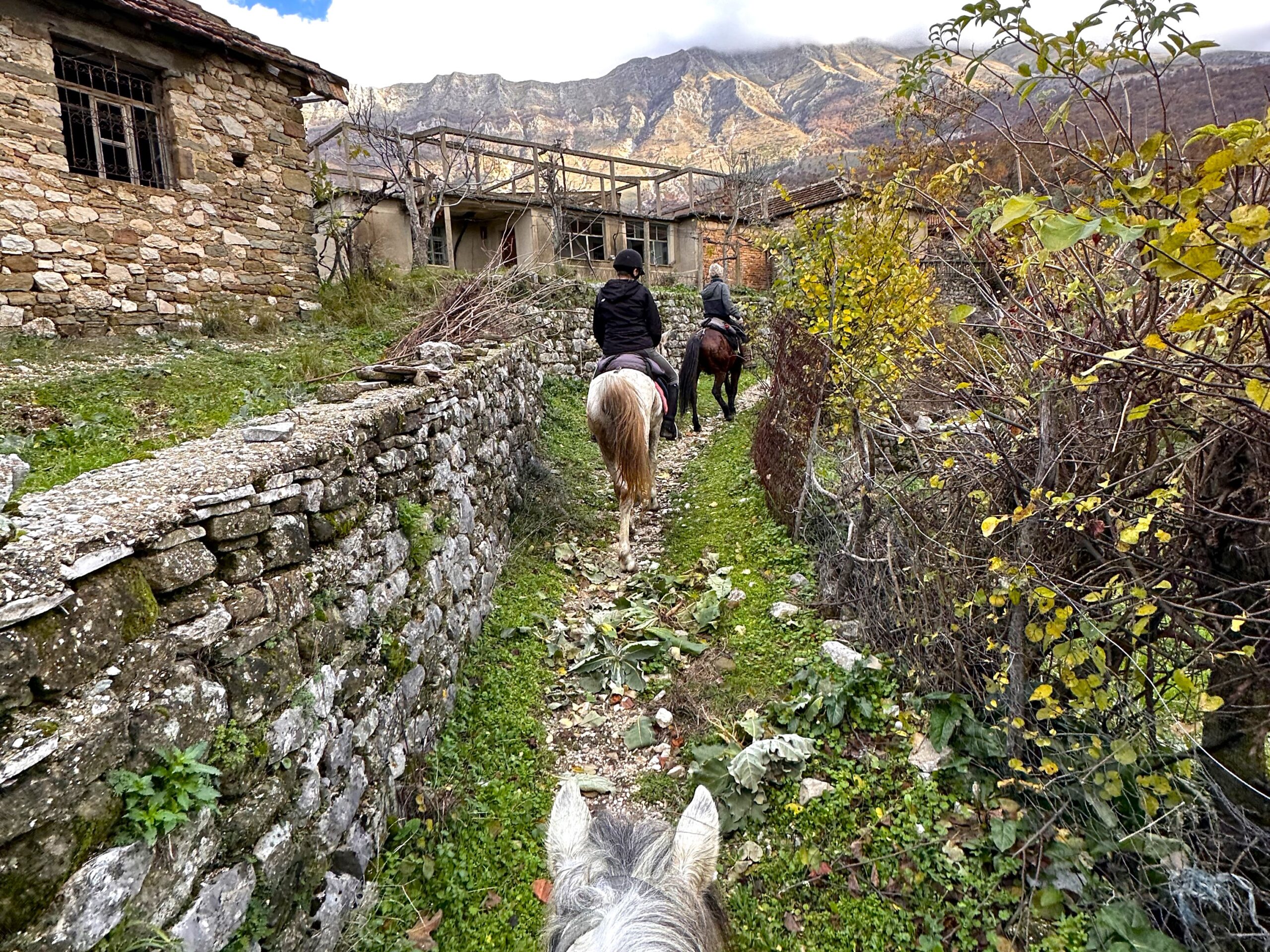
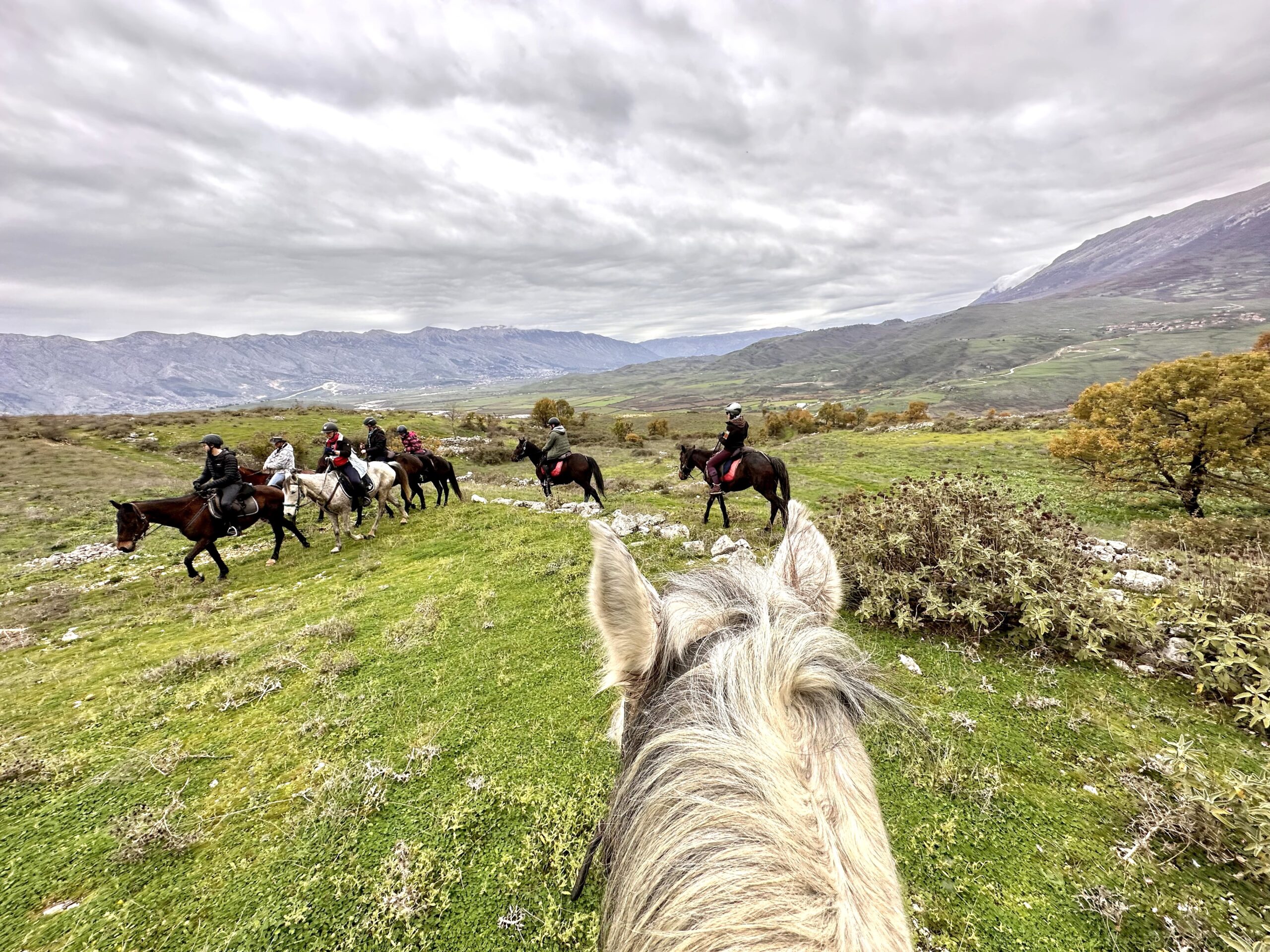
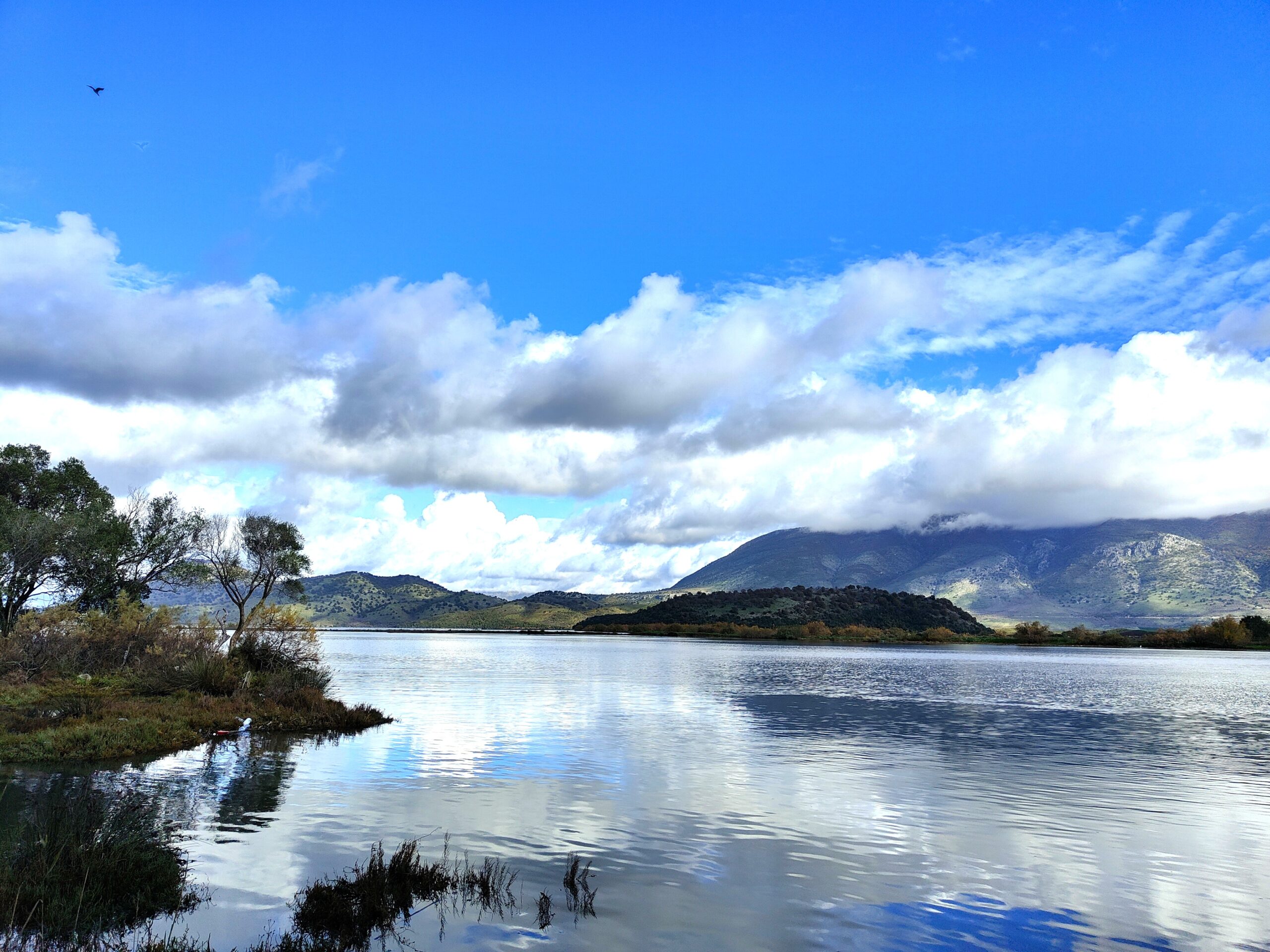
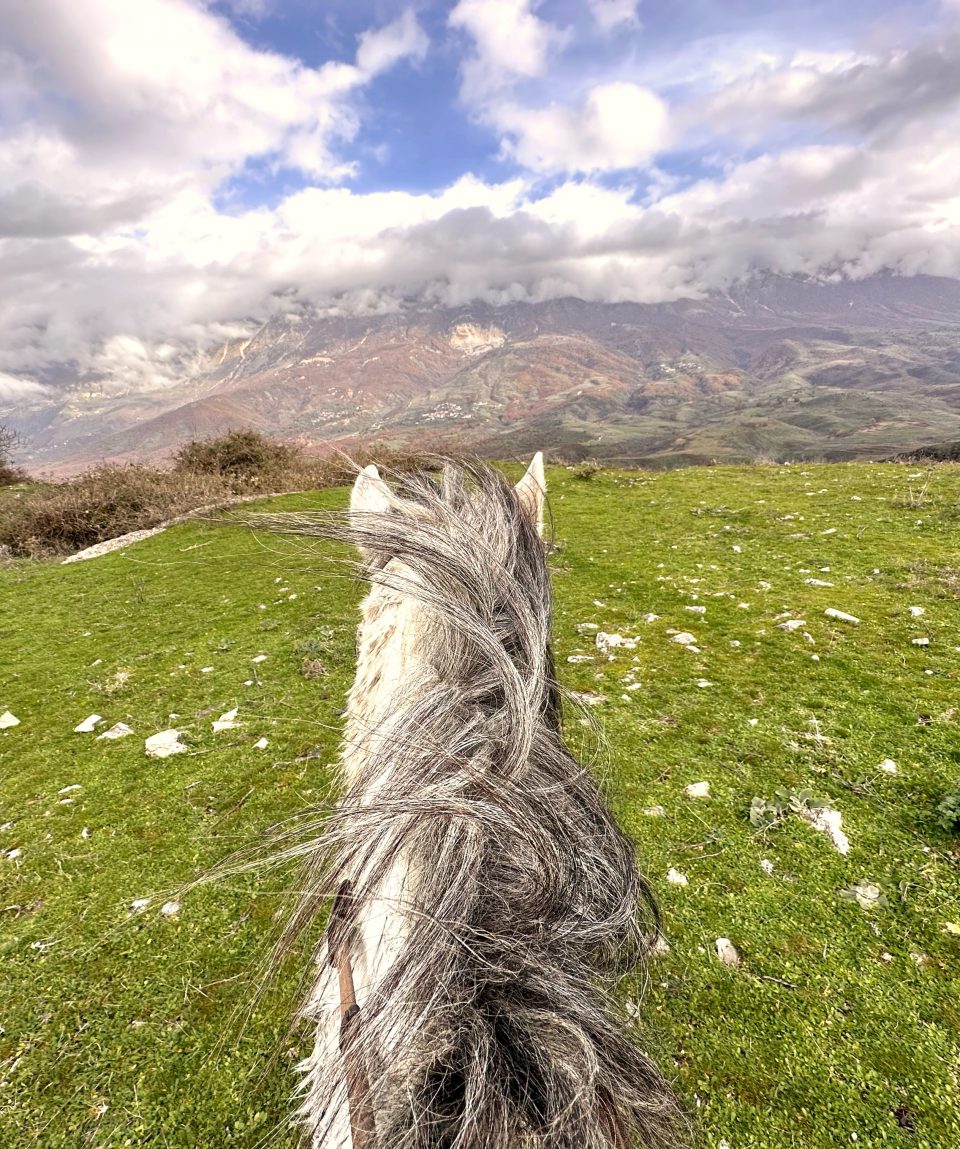
Albania is a treasure. We’ll spend five days in the saddle, riding through valleys and hills, crossing rivers and forests, and visiting historic sites along the way. For one day od the tour, we’ll swap our real horses for mechanical ones, allowing us to reach a more remote part of the region. We’ll explore the ruins of ancient cities, follow medieval caravan routes, warm up in thermal baths, go to an unusual concert, and even see post-communist bunkers.

  • Days overall
    8 days
    Days in saddle
    5 days
  • Group size
    10
    Available
  • Standard
    Balkan hospitality (under roofs and in beds)
    Luggage
    no limit kg
    Food
    local cuisine, vegetarian meals available
  • Skills
    walk, trot, easy canter

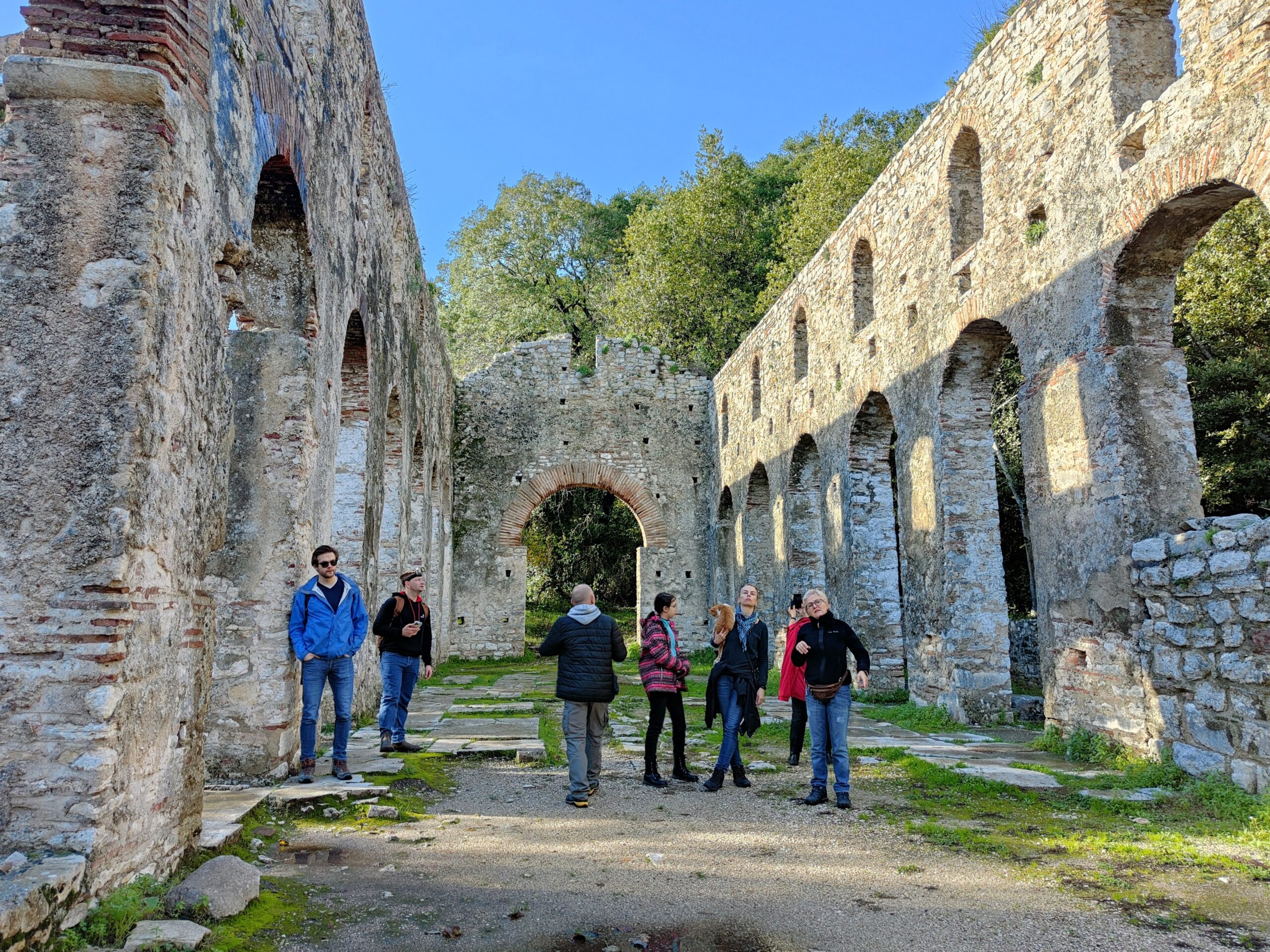
This is a truly special journey, designed to let you properly soak up the region’s history and culture. We’ll visit genuine archaeological gems — the ruins of ancient cities, medieval temples, and traces of the communist past. We’ll discover hot springs hidden in the mountains and visit some remarkable local farms. Most of the journey is spent in the saddle, but we’ll also hop into cars to reach a few particularly unusual and interesting places.

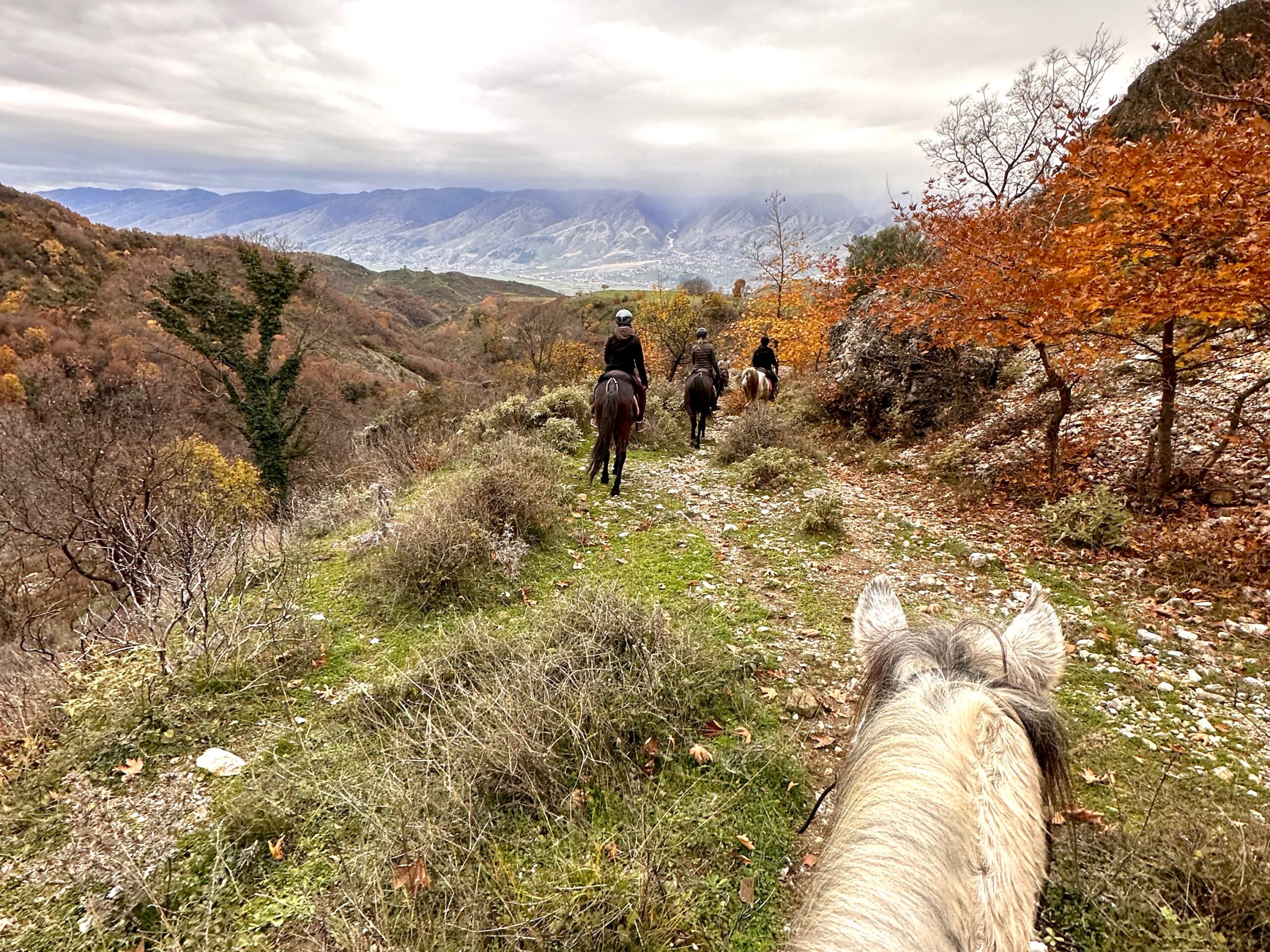
During the ride, we’ll visit both larger and smaller towns — Gjirokastër and Përmet — as well as picturesque villages whose history goes back to antiquity. We’ll see a number of historic religious sites and even step inside communist-era bunkers. At the same time, we’ll immerse ourselves in quiet, rural landscapes, with stunning nature and spectacular views accompanying us — and our horses — at every turn. Southern Albania is full of idyllic scenery, yet it also hides an extraordinary cultural and religious heritage, important not only for the region but for Europe as a whole. Along the way, we’ll visit places and monuments built across the ages, from antiquity through the Middle Ages and right up to modern times. Albania remains a little-known — and largely undiscovered — gem of human culture and heritage.

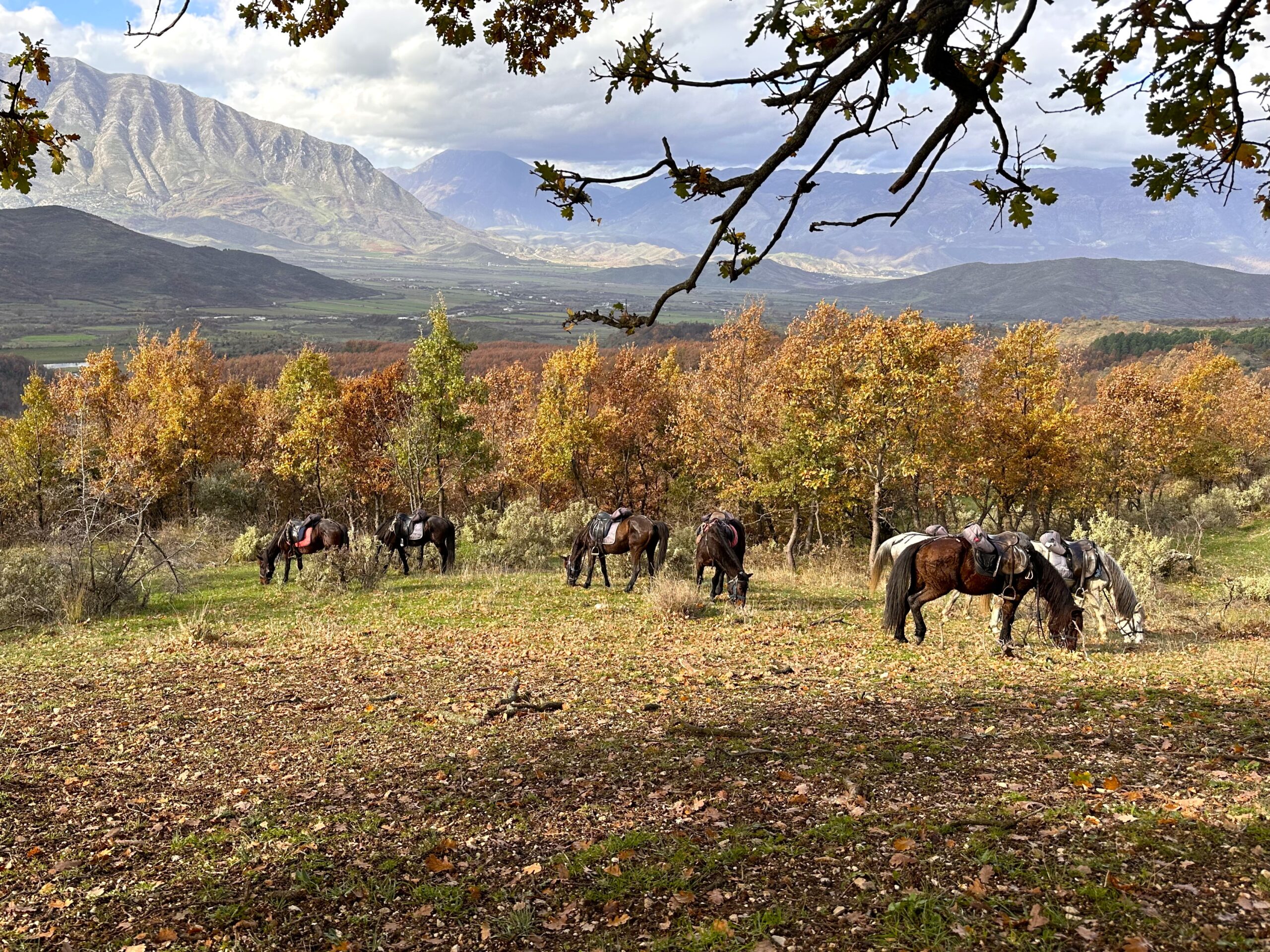
Our guides are, above all, genuine horse and trail riding enthusiasts. Years ago, they took on the challenge of reviving the endangered Albanian horse breed (a mix of Tarpan-type horses and Arabians). They run a breeding programme tailored to practical, trail-riding needs. The result is a small but energetic, brave, and well-disciplined horse, perfectly suited for riding in the countryside.

For the horses’ wellbeing, the rider’s weight must not exceed 90 kg. We recommend wearing a riding helmet, especially on the first day, when we’re getting used to the terrain and the local riding style.

This expedition, following the treasures of southern Albania, is also suitable for less experienced riders (unlike the summer rides, which are aimed at advanced riders). It’s enough to be comfortable at walk and trot, and able to manage a calm canter.

What is included in this tour?Items that are included in the cost of tour price.
  • 4 nights in a hotel in Gjirokaster
  • 3 nights in local guest houses
  • All meals (starting with a dinner on arrival day to breakfast on departure day)
  • Local, English-speaking guides for the entire trek
  • Horses with full tack and equipment
  • 4×4 cars with drivers
  • Tourist insurance covering high-risk sports
What is not included in this tour?Items that are not included in the cost of tour price.
  • Flight tickets to and from Tirana / Flight tickets to and from Korfu and ferry to Saranda
  • Transfer to and from Tirana (around 90 euro both ways) or Saranda (around 50 euro)
  • Entry tickets (around 20 euro in total)
  • Optional: single room supplement (25 euro per night, where available, covered on the spot)
  • Minor expenses (souvenirs, additional snacks, admission tickets in free time, etc.)
  • Optional: tips for guides
  1. Day 1 Gjirokastër

    You can get to Albania either by flying to Tirana, or by flying to Corfu and then taking a ferry to Sarandë. From either place, we can arrange an onward transfer to Gjirokastër on request, though public transport is also an option. If you choose the Tirana route, you need to be at the meeting point at Tirana Airport no later than 14:00. The drive from Tirana to Gjirokastër takes about 3–4 hours. If you come via Sarandë, transfers are timed to match the Corfu ferry schedule. We usually arrive in Gjirokastër in the late afternoon. There’s time to rest at the hotel after the journey, and it’s well worth taking a stroll through the atmospheric, medieval streets of the old town. Highlights include an impressive 12th-century castle, a church and a mosque, Enver Hoxha’s house, and the Skenduli House (a classic example of a traditional Ottoman-era Muslim home). Gjirokastër’s historic centre is la UNESCO World Heritage Site. In the evening, we’ll have a welcome dinner at a restaurant serving Albanian cuisine. During dinner, the guides will talk us through the general route and the plan for the ride, and answer any questions. Overnight at the hotel.

  2. Day 2 Byzantium and iso-polyphony

    After breakfast at the hotel, we’ll head to the stables. There, we’ll be matched with our horses and set off through scenic rural countryside towards the village of Labova e Kryqit (Labova of the Cross). The area is known for its beautiful landscapes, and the village takes its name from a Byzantine-era church. The route is moderately demanding, with plenty of hills and valleys, small streams to cross, and sections perfect for enjoyable trots and canters. Once we reach the village, we’ll check into a local guesthouse, where we’ll be welcomed by friendly hosts. After settling in, we’ll visit the Byzantine church, an important religious site for the region. It’s known for its distinctive architecture and is a great example of the area’s rich heritage. In the evening, we’ll go to a small concert – to listen to Albanian iso-polyphonic singing, which is listed as UNESCO Intangible Cultural Heritage. You’ll be able to join in with the choir and learn local dances, too. It’s a rare chance to experience traditional culture up close and immerse yourself in sounds and rhythms passed down through generations. The performance will be led by an outstanding iso-polyphonic ensemble, we’ll also have time to chat about the songs, the performance, and the roles of the singers. In the evening, we’ll help feed and water the horses. Overnight in the guesthouse, with a delicious dinner of traditional Albanian dishes.

  3. Day 3 The city of Antigone

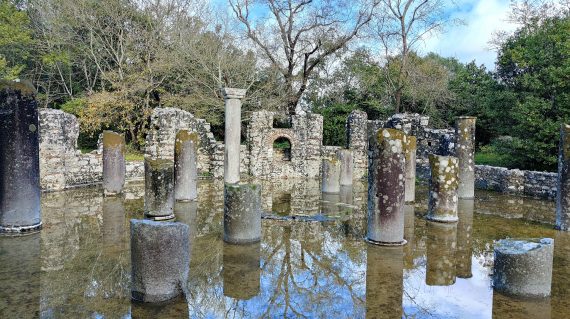
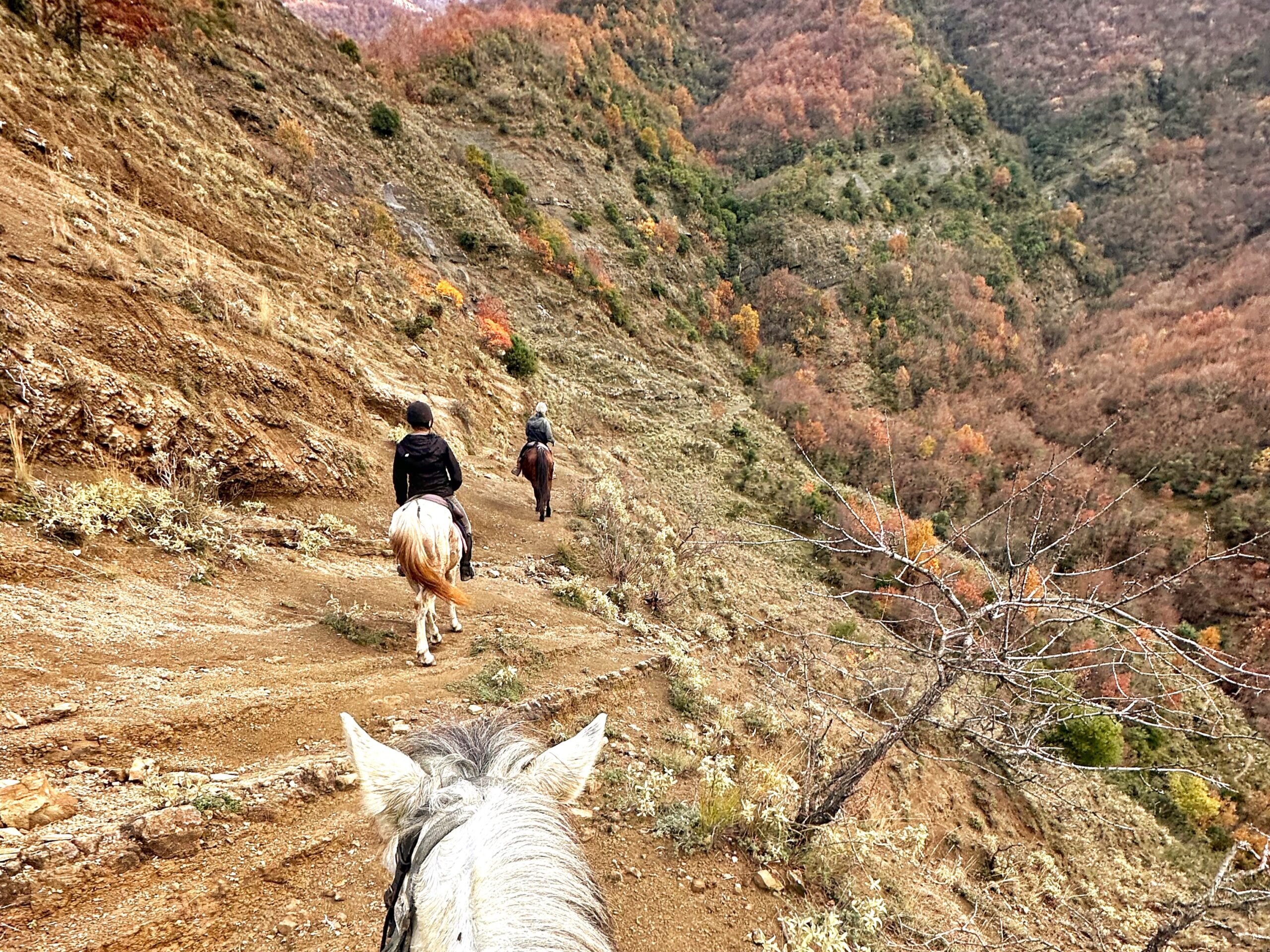
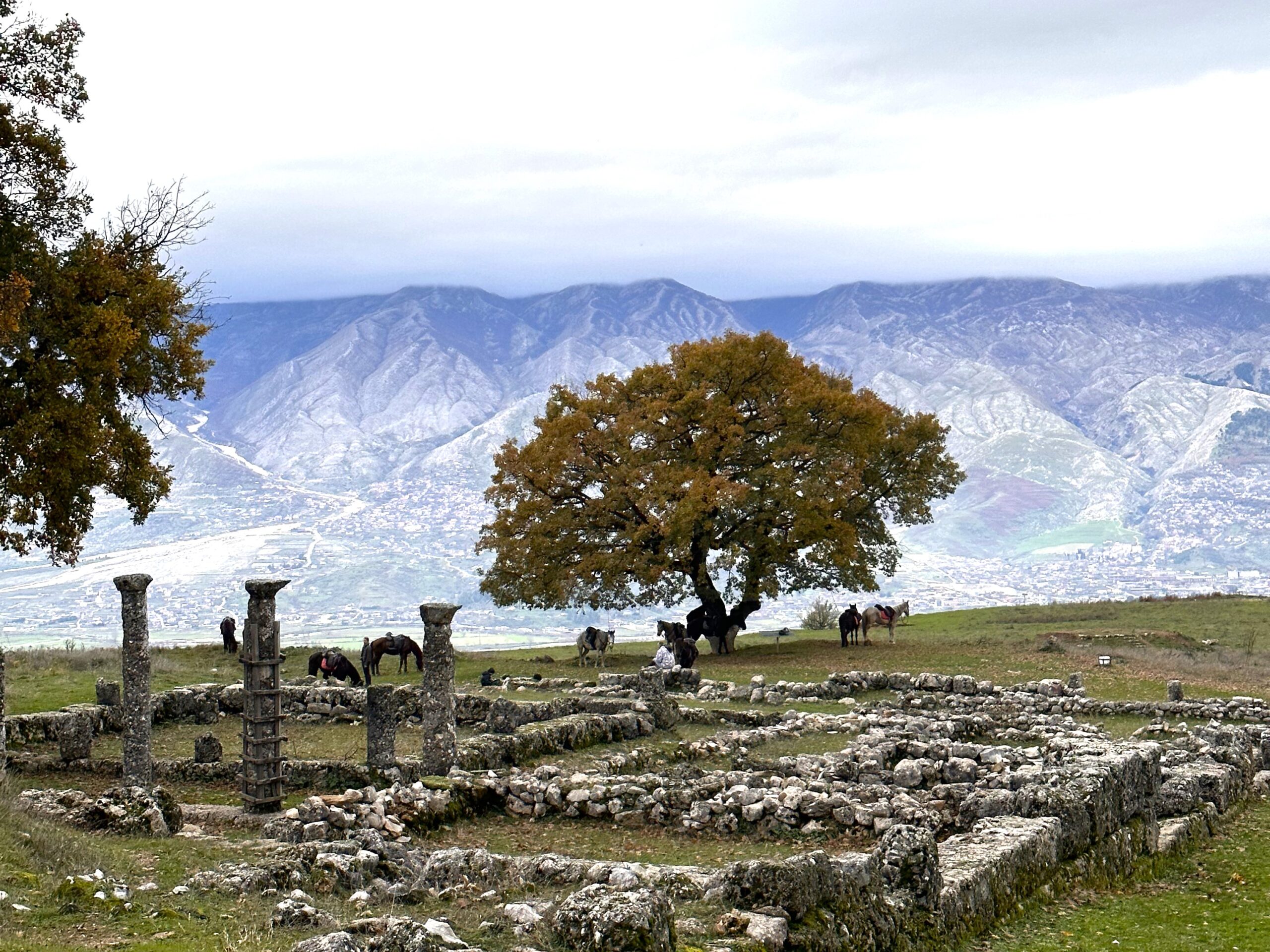
    Right after breakfast we saddle the horses and set off. We will spend 4 hours in the saddle that day. First, we plunge into the picturesque valley of the Drino River before climbing a steep hill and entering the Antigonea National Park. We will stop here for a visit. Antigonea was built by King Pyrrhus in 295 BC and named after his first wife, Antigonea (daughter of the Egyptian king, Ptolemy). The ancient ruins of the city are one of the highlights of southern Albania. After a break, we will enjoy an hour of horseback riding and then go for lunch in a village near the stables. In the afternoon we check into our hotel in Gjirokaster. After a short rest, we will go to visit the Cold War-era tunnel, a building that bears witness to a difficult history and illustrates the paranoia of communism. Dinner will take place in a small restaurant in the historic part of the town.

  4. Day 4 Thermal baths and the City of Roses

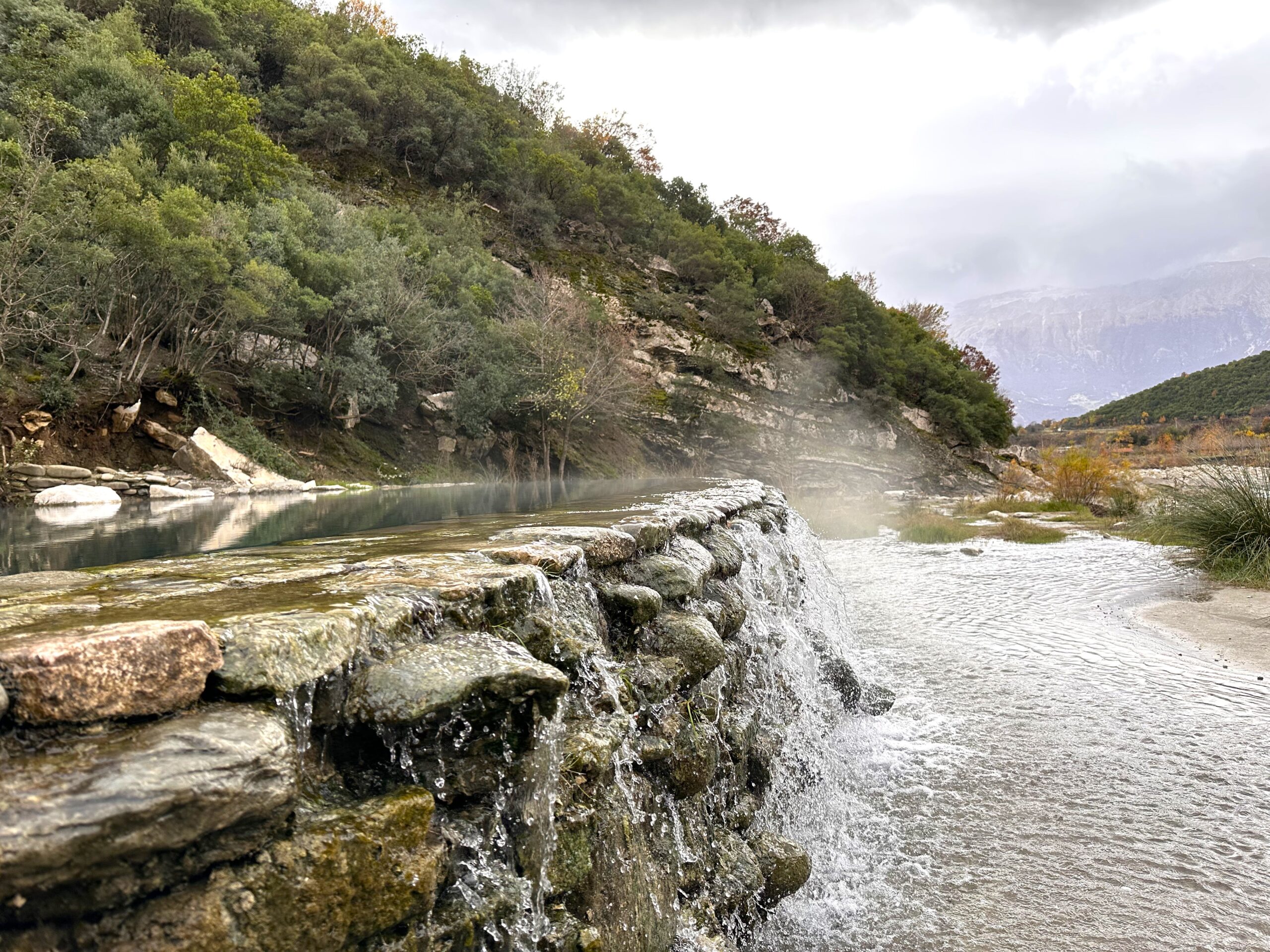
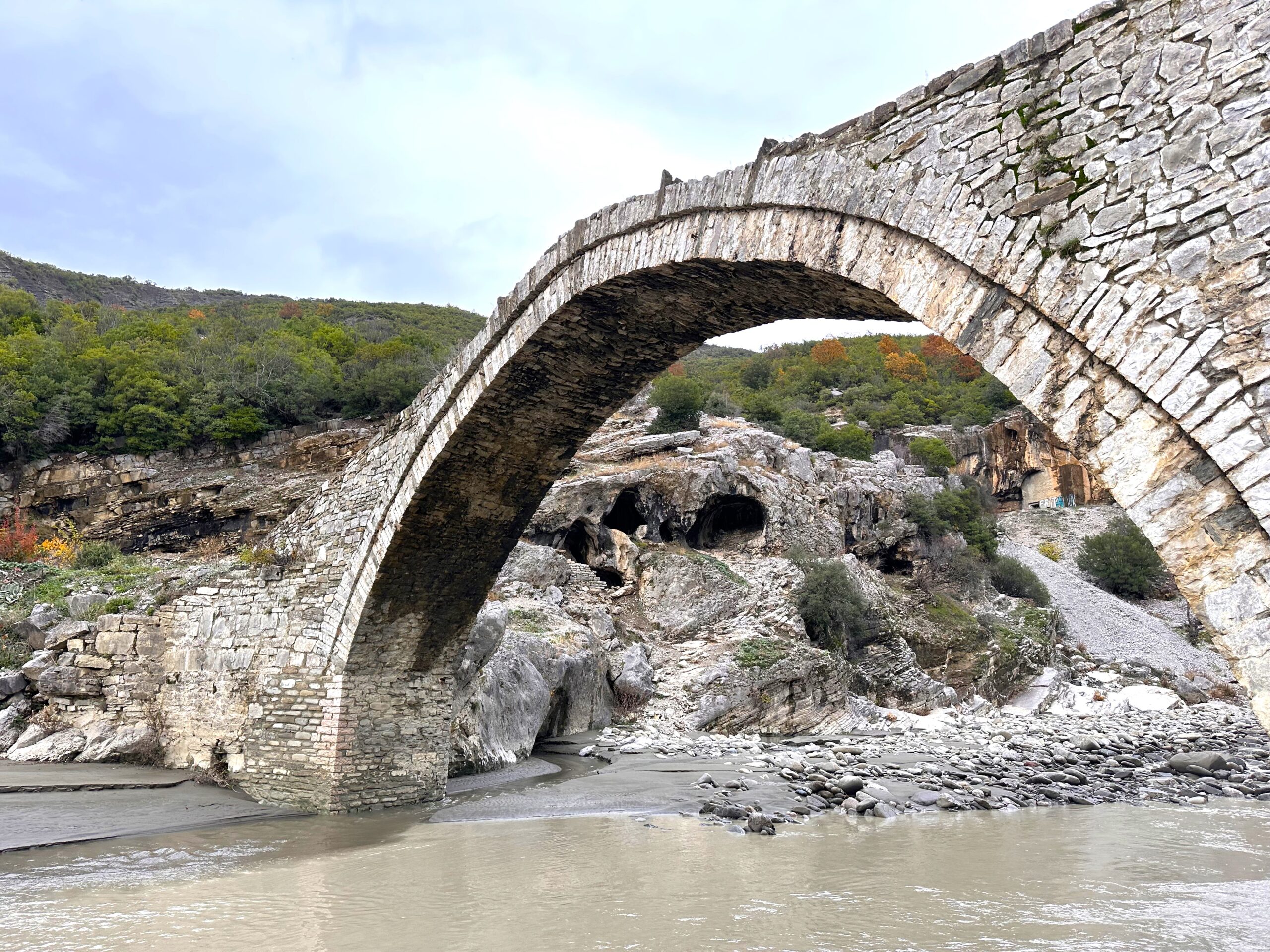
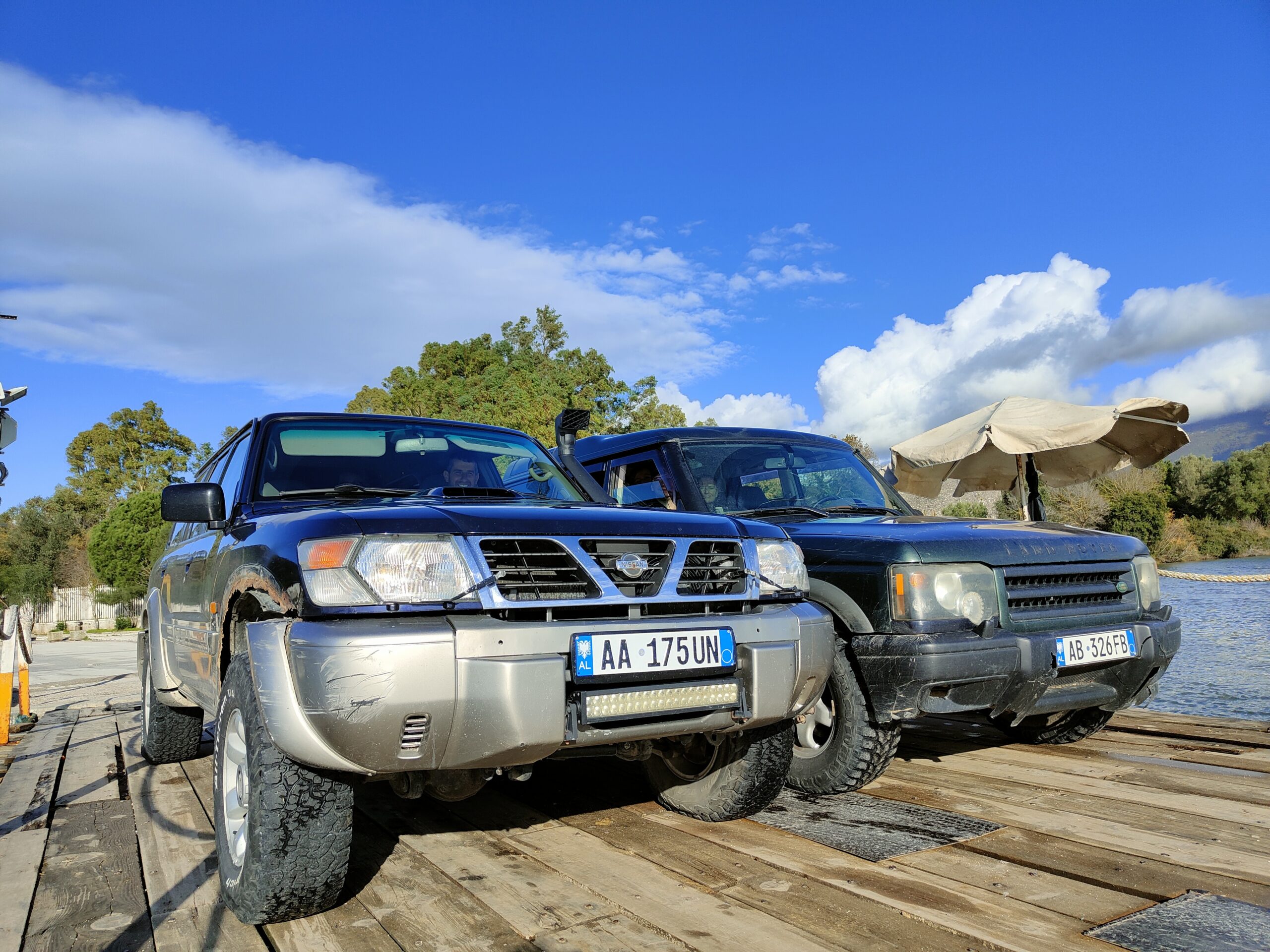
    Today our horses rest and we swap saddles for car seats. We’ll head into the Drino Valley, following the Vjosa River until we reach the Benja Thermal Baths near Përmet. The warm pools set along the river are perfect for relaxing on a chilly day. For centuries, these waters have been believed to have healing properties, and in winter — when it’s much less crowded — you can enjoy them in a far more peaceful atmosphere. Continuing on, we’ll come to the Kadiu Bridge, an Ottoman-era monument built in 1760. It offers a fantastic view over the Langarica River and marks the start of the canyon system. During the day, we’ll have the opportunity to explore the canyons, both by walking and by swimming. For lunch, we’ll stop in Përmet — the “City of Roses” — where we’ll be able to try local raki and sweets. Afterwards, we’ll head to a more remote area near the village of Ballaban to visit a special farm. The owners will share their story of leaving city life behind, chasing their dreams, and living in harmony with nature. It will also be a rather unique chance to try… tea. Dinner and overnight stay at the farm.

  5. Day 5 The Tree of Life

    In the morning we’ll drive to the stables and set off for another day in the saddle. The route takes us through rural scenery — beautiful hills, small valleys, little streams and lakes, cliffs, and even remnants of communist-era structures. Then we’ll ride on towards the medieval village of Karjan. Along the way we’ll reach the Drino River, known locally as the “Tree of Life”. It’s the most important water source in the area and also a key part of old pagan beliefs. On the route, we’ll visit the ruins of the Holy Trinity Castle, a strategic point once used to oversee caravan routes, rebuilt in 1809–1810 by Ali Pasha. During the communist period, the castle ruins were used for military purposes. We’ll stop for a break near the village of Erind. After around 4–5 hours in the saddle, we’ll arrive in Karjan, where we’ll stay at a local farm. There’s time for a walk around the village and, if you fancy it, you can help the hosts with everyday tasks around the house and farm. In the evening, we’ll feed and water our horses, and then sit down to dinner ourselves.

  6. Day 6 Extraordinary villages

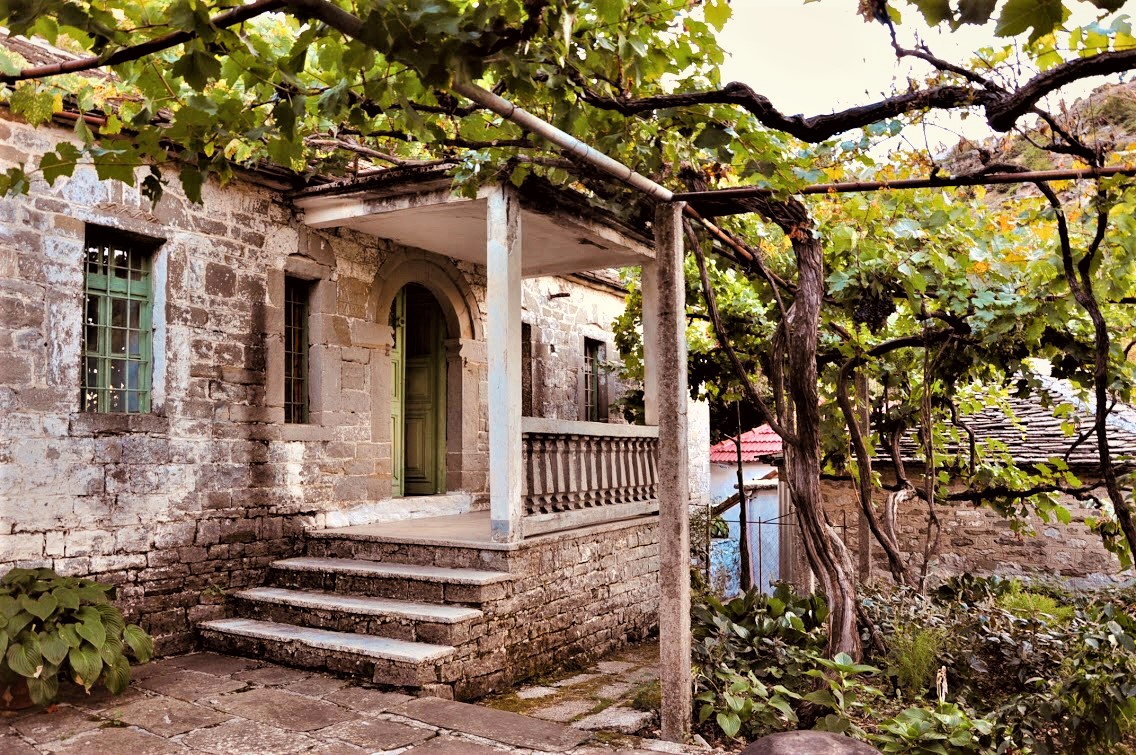
    After morning with our host family and packing a picnic lunch, we’ll saddle up and set off. First, we’ll head to the village of Nokova, where we’ll visit medieval churches. Then we’ll ride through the Lunxhër area and stop for a picnic in the village of Dhoksat. The village is known for its distinctive architecture, its use of black stone in construction, and… its beautiful doors. A local expert will join us and tell us more about everyday life, traditions, folklore, clothing, and the region’s ethnography. After lunch, we’ll continue through cultivated fields, orchards, pastures, and wide meadows, taking in some genuinely gorgeous panoramic views. We’ll make one more short stop by Lake Qestorati to admire the scenery, and then return to the stables by a different route. The final riding section in the afternoon will be the most scenic, with a few opportunities for cantering and some dramatic uphill climbs. After we dismount at the stables, we’ll head back to Gjirokastër, where we’ll have a bit of time for a stroll through the historic quarter before dinner. In the evening, you can also head out for a drink at a popular bar.

  7. Day 7 Monastery and last canters

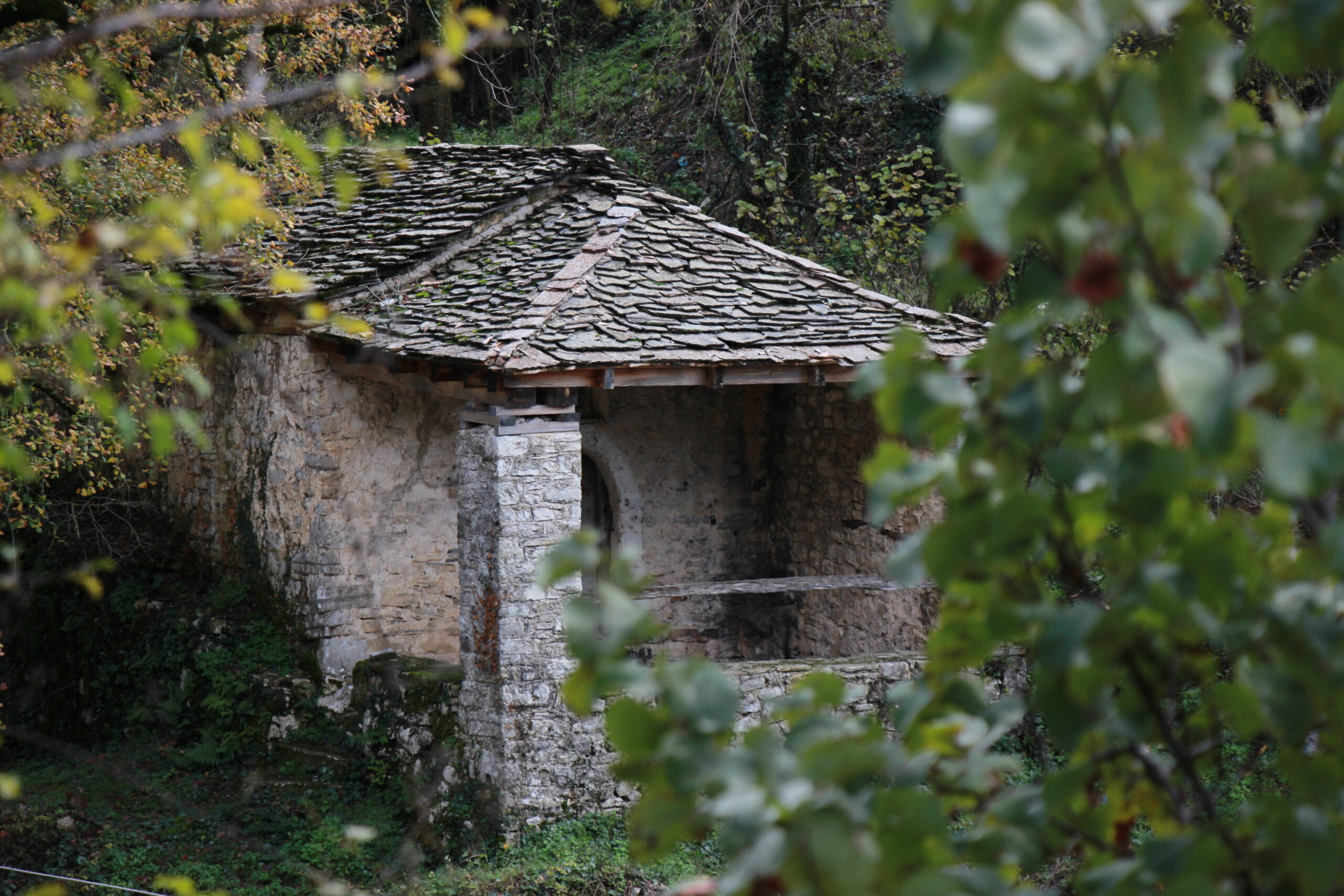
    We’ll spend the day exploring the surrounding mountainous area on horseback. After leaving the stables, we’ll follow dirt roads and bumpy trails towards the Spilea Monastery, which offers a beautiful view over the whole region. At Spilea, built in 1634, we’ll visit the Church of St Nicholas. Its cross-shaped nave is decorated with frescoes by the artist Mihali, painted during the time of Bishop Kalist. The bold, rebellious style of the paintings makes the monastery a truly unusual place. We’ll also discover a small cave church set in a karst formation — a hermitage until the end of the Second World War, later abandoned during the communist period. After a short break at the monastery (with time for a light snack), we’ll begin our descent through a varied landscape. The route takes us through the village of Tranoshishtë and along an ancient trail of the Epirote villages, winding through meadows and pastures pulsing with rural life. Once we reach the stables, we’ll say goodbye to our horses and head for lunch in the village of Asim Zeneli. After that, we’ll return to Gjirokastër for a bit of rest, and in the evening we’ll go out for our last, farewell dinner in a cosy restaurant on the old bazaar.

  8. Day 8 Farewell to Albania

    It’s time to leave Albania. Transfers to Tirana or Saranda are available upon request.

The guide might modify the route according to weather conditions and group's riding skills.
fot. Agnieszka Sito
fot. Agnieszka Sito
fot. Agnieszka Sito

We’ll spend four nights in a hotel in Gjirokastër and three nights in guesthouses and on local farms. The standard varies, but it’s always under a roof, with proper beds & bedding and with all meals. Rooms are shared, although in the hotel in Gjirokastër it’s possible to stay in a single room if arranged in advance (€25 per night, payable locally). We’ll get to taste traditional food, and we’ll also have the chance to join Albanians in their everyday routines.

In the course of the tour we taste traditional dishes. Albanian cuisine, in general, is quite varied, offering a multitude of tastes. Traditional Albanian meals are based on different types of meat and delicious local cheeses, but the is no shortage of plant-based dishes either. Additionally we get to taste organic, locally grown vegetables and fruits, honey, jams and eggs, as well as homemade desserts and sweet snacks. We drink spring water, infusions based on mountain herbs, as well as local wine and spirits.


Equipment

You will ride in good quality English-type trail saddles. Bridles are of regular construction, we use bits. The equipment in general is what most riders are used to.

Every horse is equipped with small saddle bags for water, additional clothes and other handy items. Additional straps (for attaching a raincoat) might come in handy.

Please note: we recommend using a helmet while riding.

What should you take with you

This trail in Albania is pretty comfortable. We spend all nights indoors and a luggage car transports all our belongings. During the day we right “lightweight”, so a hip/waist bag for for cash, documents, phone and similar belongins will suffice.
We will send out a detailed packlist with our comments and recommendations a month ahead of the tour.

  • passport
  • cash, Euro is commonly used in Albania
  • electronics – mobile phone, camera
  • flashlight, headlamps are handy
  • a canteen or other water containers (it might be an empty plastic bottle)
  • sunscreen
  • riding clothes (breeches, gloves, helmet, etc.,)
  • trekking shoes/boots
  • raincoat
  • swimsuit
  • flip-flops
Date Trip Status Price Spots  
7 February 2026 - 14 February 2026
Available, English-speaking guide/pilot
1360 
11
21 February 2026 - 28 February 2026
Available, English-speaking guide/pilot
1360 
12
5 December 2026 - 12 December 2026
Full group, English-speaking guide/pilot
1360 
0
19 December 2026 - 26 December 2026
Available, English-speaking guide/pilot (Chrtistmas ride)
1360 
12